
Natural Remedies for Warts at Home: 6 Approaches Worth Trying
Explore natural remedies for warts at home, from salicylic acid to garlic and zinc, with honest notes on what evidence actually supports.
Warts are small skin growths caused by the human papillomavirus (HPV) infecting the outer layer of skin. They are common, usually harmless, and in most people they clear up on their own within one to two years as the immune system gradually recognizes and fights off the virus. That timeline can feel frustrating when a wart is on your hand, foot, or somewhere visible, which is why so many people look for natural remedies for warts at home to speed things along or manage them gently in the meantime.
It is worth being upfront: no home remedy is guaranteed to work for everyone, and warts can be stubborn. What follows is an honest look at the options with the most reasonable evidence or plausible mechanism behind them, along with their limits.
1. Salicylic Acid
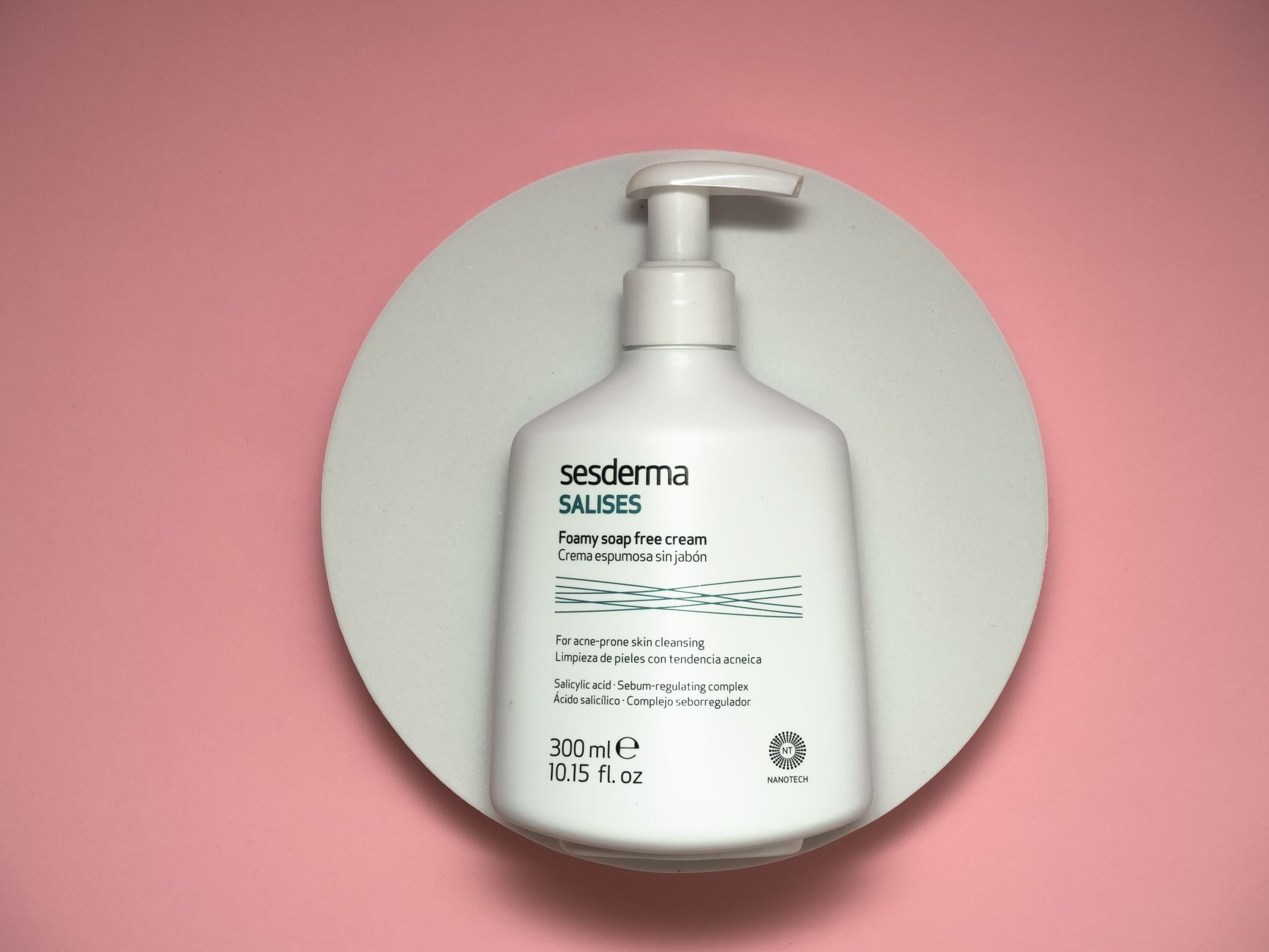
Salicylic acid is technically available over the counter, but it is derived from willow bark and has a long history as a traditional keratolytic, a substance that softens and breaks down thickened skin. Applied consistently, it gradually peels away wart tissue layer by layer, and this process appears to also stimulate a local immune reaction against the virus underneath.
Of all the approaches people try at home, salicylic acid has the most consistent supporting evidence, particularly for warts on the hands. It typically comes as a gel, liquid, or medicated pad in strengths of 17 to 40 percent. The usual routine involves soaking the area in warm water, gently filing away dead skin with an emery board, then applying the acid daily. It can take six to twelve weeks of steady use to see real change, so patience matters more than intensity here. It should be avoided by people with diabetes or poor circulation, and kept away from the face and genital area.
2. Duct Tape Occlusion
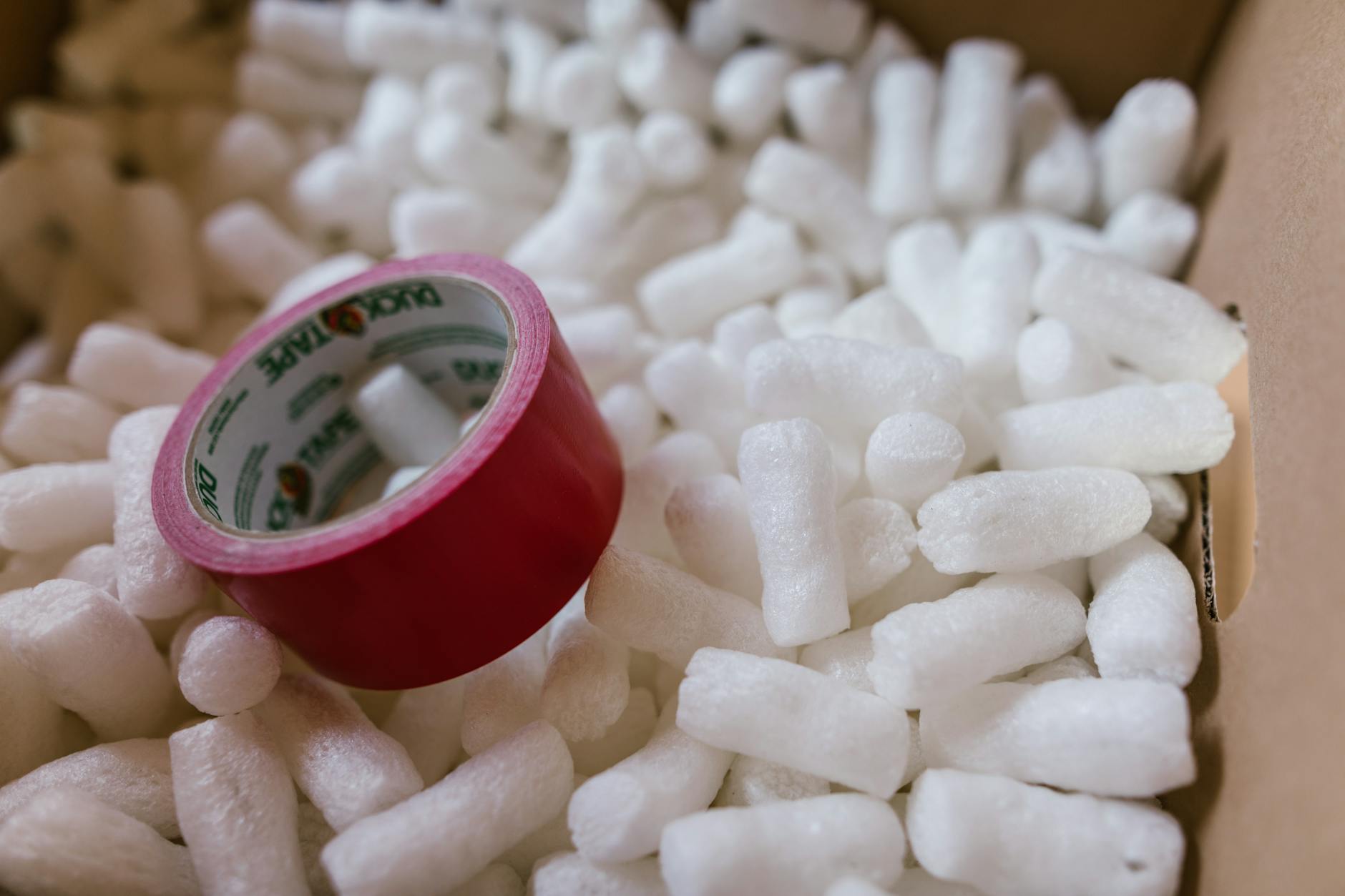
This low-cost method involves covering the wart completely with duct tape for about six days, then soaking and gently filing the area before leaving it uncovered overnight and reapplying fresh tape. The idea is that the mild irritation and skin trauma from the tape may prompt the immune system to notice and respond to the infected cells.
Evidence here is genuinely mixed. An early small study in children found duct tape outperformed cryotherapy, but larger, better-designed trials since then have generally found it performs no better than a placebo patch. It is cheap, low-risk, and easy to try at home, but it should not be treated as a proven fix, just a reasonable option to test alongside other approaches.
3. Over-the-Counter Freeze Sprays
Home freezing kits use a mix of compressed gases to chill the wart tissue enough to cause cell death and blistering. As the dead tissue sheds, the resulting inflammation can help the immune system recognize and clear the virus.
These sprays are less powerful than the liquid nitrogen a dermatologist uses in-office, since they cannot get quite as cold or be applied as precisely. Still, they have documented effectiveness, especially on smaller or newer warts, and are considered a legitimate first step by most dermatology guidance before seeing a doctor. Expect some blistering, temporary pain, and skin discoloration, and avoid using them on children, the face, or sensitive skin.
4. Garlic
Garlic contains allicin, a compound that has shown antiviral and immune-supporting properties in laboratory studies. The theory behind using garlic on warts is that this compound helps the body target the HPV-infected cells directly at the skin's surface.
The evidence is thin here. A few older, small trials found that topical garlic extract cleared warts better than a placebo, but this has not been repeated in larger modern studies, so it remains a low-cost, low-risk option rather than a dependable treatment. If you want to try it, crushed raw garlic or garlic extract can be applied directly to the wart and covered with a bandage, changed daily. Do a patch test first, since garlic can irritate skin or even cause a mild chemical burn with extended contact.
5. Apple Cider Vinegar

The acetic acid in vinegar has a mild caustic effect that can exfoliate infected skin, working on a similar principle to (but far weaker than) the acids used in clinical wart treatments. This is one of the most talked-about home remedies for warts, largely thanks to word of mouth rather than solid research.
There is not much rigorous clinical evidence specifically testing vinegar against warts, so its popularity outpaces the science. It is also one of the more common home remedies linked to skin burns when left on too long or used at full strength. If you decide to try it, always dilute it and limit how long it stays on the skin.
6. Zinc
Zinc plays an important role in immune function and the body's antiviral defenses, and some research has linked low zinc levels to a higher chance of developing persistent or recurring warts. This has led to interest in oral zinc supplementation as a supporting remedy, particularly for warts that keep coming back.
Small trials on oral zinc sulfate for treatment-resistant warts have shown some benefit, especially in people who may have been low in zinc to begin with, but results across studies are inconsistent. Higher doses can also cause stomach upset, so this is best approached carefully and, ideally, with a bit of guidance rather than guesswork on dosing.
Caring for Skin Around a Wart
While treating the wart itself, it also helps to protect the surrounding skin, since aggressive acids and freezing kits can leave healthy skin dry, irritated, or cracked. Keeping the area gently moisturized (avoiding the wart itself) and not picking at healing skin can reduce the risk of the virus spreading to nearby areas. If you are dealing with broader skin sensitivity or irritation issues alongside warts, our guide on natural remedies for eczema covers gentle everyday skin care approaches that may be useful context, even though the conditions are different.
For anyone who wants a broader, structured resource on skin concerns beyond just warts, The Complete Skin Health Natural Remedy Guide walks through a fuller natural remedy system for skin health for $10.99. It is not a cure for anything, but it can be a useful companion if you want more organized, everyday guidance.
It is also worth remembering that immune health plays a role in how quickly the body clears HPV on its own, similar to how immune resilience matters in other stubborn, recurring conditions like the ones discussed in our post on natural remedies for recurring vaginal thrush. Supporting general immune health through sleep, diet, and stress management will not remove a wart overnight, but it may help the body do its job more efficiently over time.
Frequently Asked Questions
How long do warts usually take to go away on their own? Most warts clear up within one to two years without any treatment, as the immune system gradually recognizes and fights off the HPV infection. Children tend to clear warts faster than adults, likely due to differences in immune response.
Can natural remedies for warts at home actually get rid of them completely? Some, like salicylic acid, have reasonable evidence supporting gradual removal with consistent use. Others, like garlic or apple cider vinegar, have weaker evidence and work inconsistently, so results vary a lot from person to person.
Is it safe to try more than one remedy at the same time? Combining a gentle approach, like keeping skin moisturized, with a targeted treatment, like salicylic acid, is generally fine. However, combining multiple acidic or caustic remedies (such as vinegar and garlic) at once increases the risk of skin irritation or burns, so it is better to try one at a time.
When should I see a doctor about a wart instead of treating it at home? If a wart is painful, rapidly growing, bleeding, appears on the face or genitals, or does not respond to several weeks of home treatment, it is worth having a doctor or dermatologist take a look. People with diabetes or weakened immune systems should generally check with a doctor before self-treating any wart.
Can warts spread to other parts of the body or to other people? Yes, warts are caused by a contagious virus and can spread through direct skin contact or by touching a wart and then another part of the skin. Avoiding picking at warts and covering them, especially in communal areas like pools or locker rooms, can help reduce the spread.
Do duct tape and freeze sprays hurt? Freeze sprays can cause temporary stinging, blistering, and mild pain as the treated skin reacts to the cold. Duct tape occlusion is generally painless, though the skin underneath may look irritated or soft after several days of covering.
Sources
- How to get rid of warts: Medical and natural remedies - Harvard Health
- Topical treatment for plantar warts: A systematic review - PubMed
- Local treatments for cutaneous warts: systematic review - PMC
- In Vitro and Randomized Controlled Clinical Study of Natural Constituents’ Anti-HPV Potential for Treatment of Plantar Warts Supported with In Silico Studies and Network Analysis - PMC
Ready to put this into practice?
Our best sellers
Practical, science-backed resources our readers love.
The Complete Natural Remedy Bundle: All 5 Guides
Gut, skin, eyes, weight and castor oil. Every NaturLab guide in one download, for one small price.
$63.93$9.99

The Complete Gut Health Natural Remedy System
A complete natural remedy system for Gut Health.
$29.00$10.99
Clearer Eyes Naturally: Natural Remedies For Your Eyesight
A complete natural remedy system for Vision.
$29.00$15.97