Natural Remedies for Recurring Vaginal Thrush: What Actually Helps
Explore natural remedies for recurring vaginal thrush, from probiotics to boric acid, with honest guidance on what evidence supports and when to see a doctor.
Vaginal thrush, also called vulvovaginal candidiasis, happens when the yeast *Candida albicans* grows out of balance in the vagina. It causes itching, burning, and a thick discharge that many people find uncomfortable and frustrating, especially when it keeps coming back. Antifungal medication is still the first choice for treating an active infection, but a number of natural, evidence-informed approaches can support balance and help lower the chance of recurrence.
Below is an honest look at what the research actually shows, including where the evidence is solid and where it is still thin.
1. Boric acid suppositories
Boric acid capsules inserted vaginally have some of the strongest research support among natural options, particularly for infections that keep returning or that do not respond well to standard antifungal creams.
Why it works: boric acid has antifungal and mild antiseptic properties that can help disrupt yeast overgrowth, including some non-albicans strains that are harder to treat with typical medications.
A common approach used in studies is a 600 mg capsule inserted vaginally once daily for about two weeks. Boric acid is toxic if swallowed and should never be taken by mouth, used during pregnancy, or applied to broken skin. It is meant for short courses and ideally under the guidance of a healthcare provider.
2. Probiotics with specific Lactobacillus strains
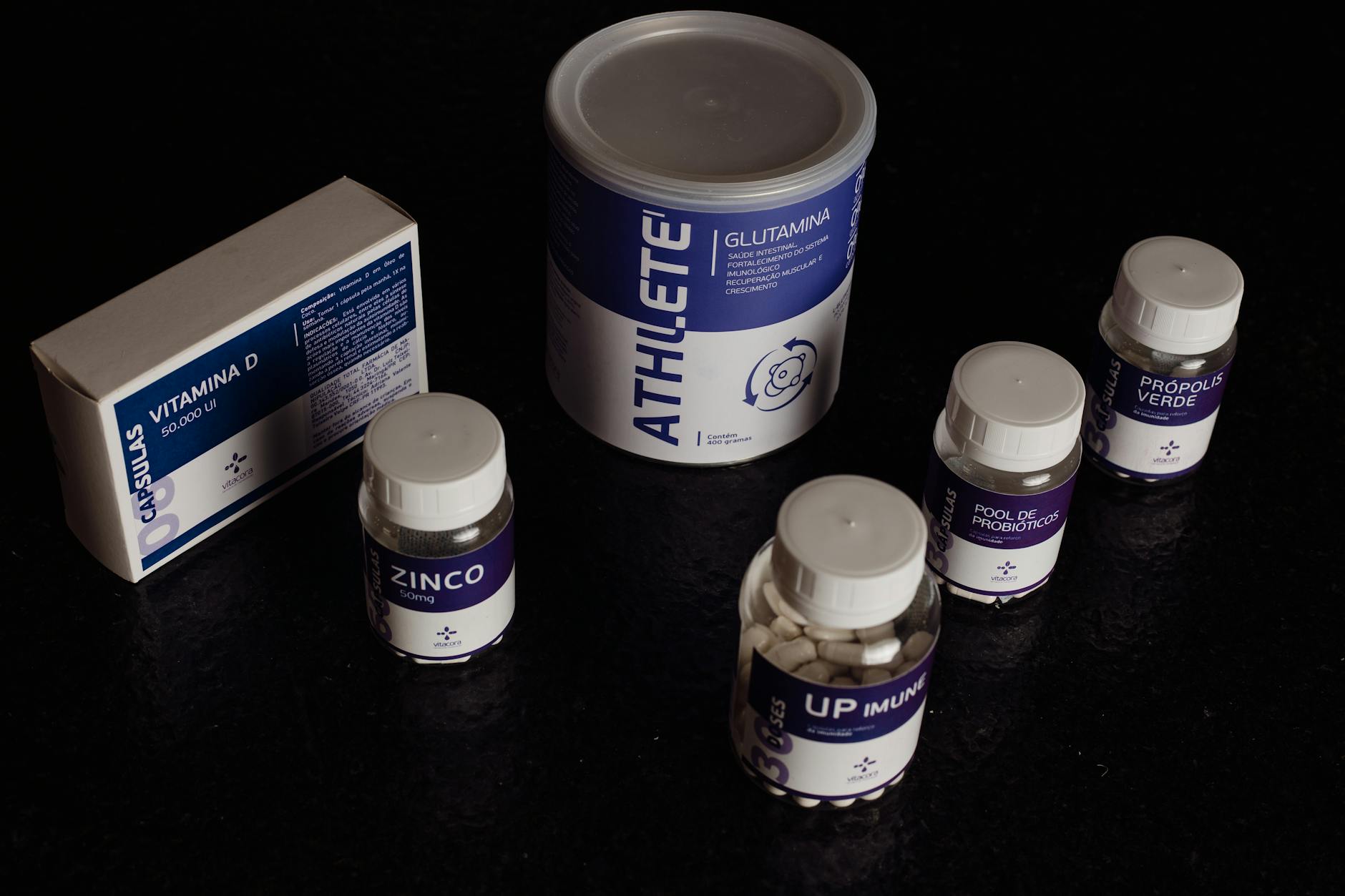
Probiotics, especially strains like *Lactobacillus rhamnosus* and *Lactobacillus reuteri*, have moderate and encouraging evidence, particularly for preventing thrush from coming back.
Why it works: a vaginal environment rich in lactobacilli tends to stay more acidic, which naturally discourages Candida from overgrowing. This matters a lot after a course of antibiotics, since antibiotics can wipe out protective bacteria along with the infection they were meant to treat. Look for products that name the specific strain on the label, and consider taking them daily alongside, rather than instead of, any treatment your doctor recommends.
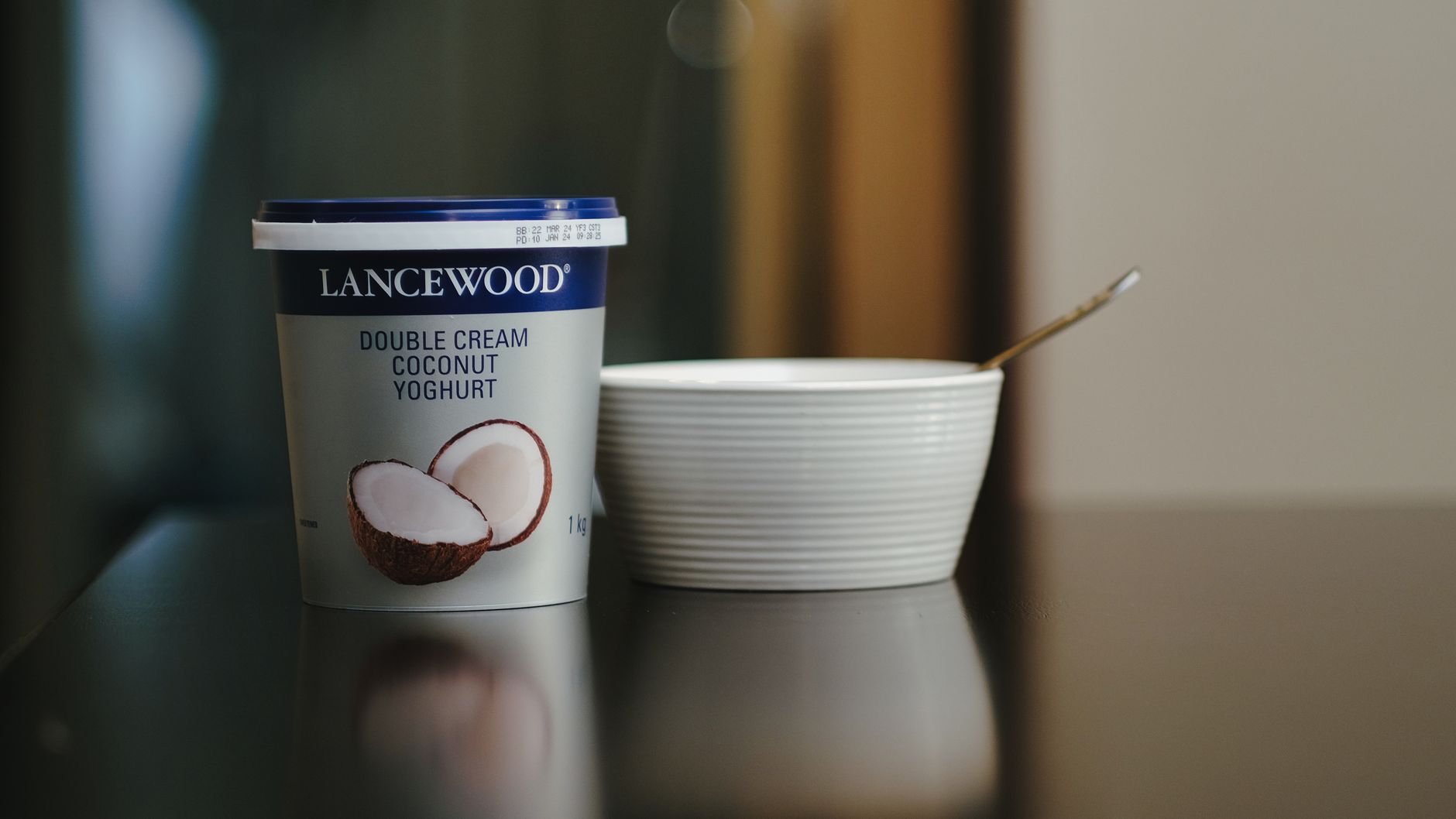
3. Plain, unsweetened live yogurt
This is one of the most talked-about folk remedies, whether eaten regularly or applied topically.
Why it may help: live yogurt cultures work on a similar principle to probiotics, potentially supporting healthy vaginal flora. That said, clinical evidence for inserting yogurt vaginally is limited and inconsistent, and the sugars in some yogurts could even feed yeast in certain cases. Eating plain yogurt with live cultures as part of a normal diet is reasonable and low risk, but it should not be relied on as a treatment for an active flare.
4. Tea tree oil, used carefully

Tea tree oil has shown antifungal activity against Candida in lab studies, thanks to a compound called terpinen-4-ol that can disrupt fungal cell membranes.
The catch is that human trials on vaginal use are very limited, and tea tree oil is a known irritant and allergen at higher concentrations. It should never be used undiluted or inserted directly, and it is best avoided during pregnancy. This is a remedy that looks promising in a test tube but is not yet proven safe or effective in real-world vaginal use.
5. Garlic, with a strong caution
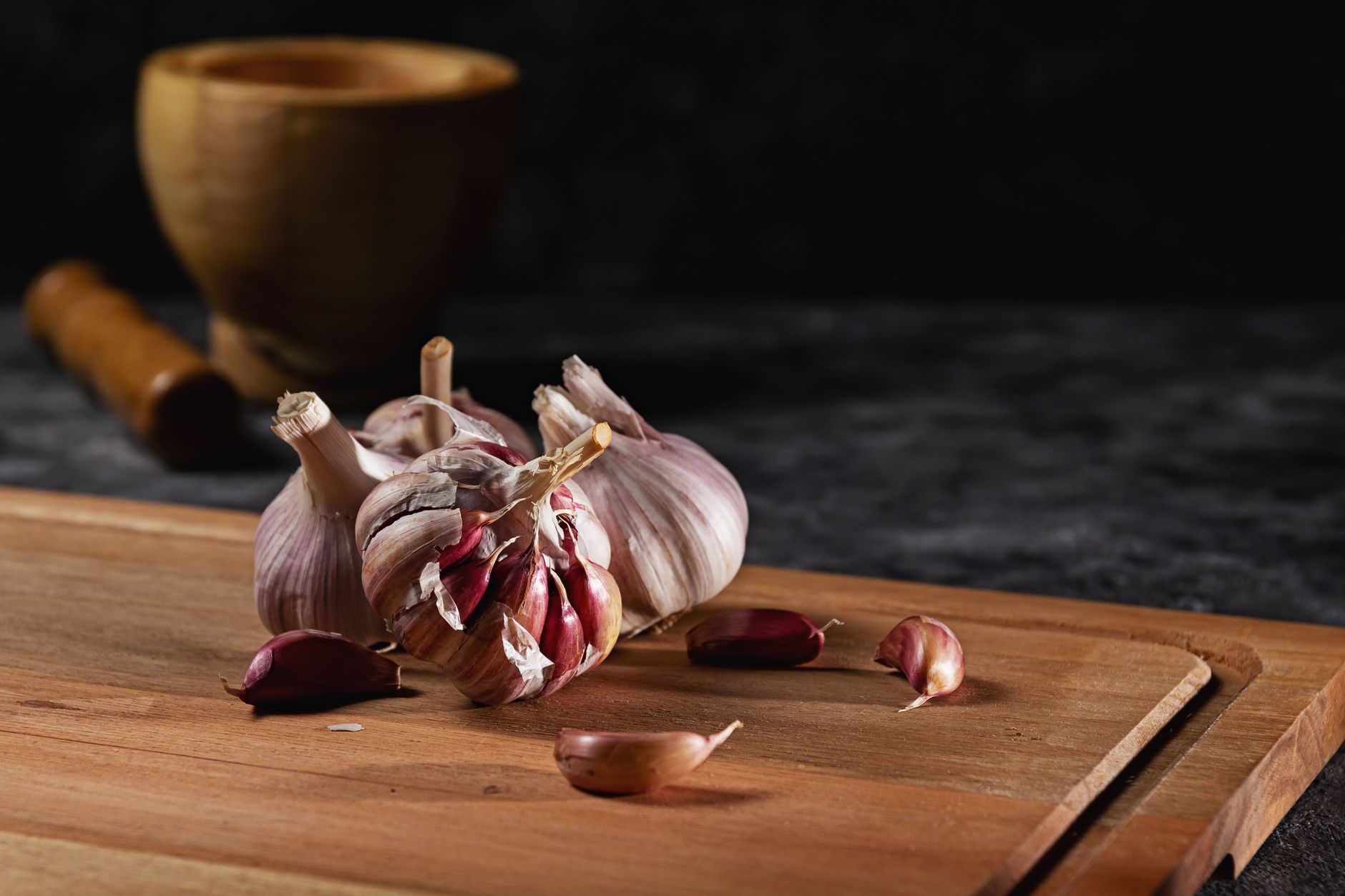
Garlic contains allicin, a compound with antifungal properties in laboratory studies. Despite this, inserting garlic vaginally, a remedy that circulates widely online, is not recommended. It can burn or irritate delicate tissue, and there are documented cases of injury from this practice. Eating garlic as part of a balanced diet is perfectly fine, but it has no place as a direct vaginal treatment.
6. Lifestyle and hygiene habits that support prevention
Several everyday habits are consistently recommended by health professionals to reduce the risk of recurring thrush, even though they are not treatments on their own:
- Choosing breathable cotton underwear and avoiding tight, damp clothing
- Skipping scented soaps, douches, and vaginal sprays that disturb natural pH
- Keeping blood sugar well managed, since uncontrolled diabetes raises thrush risk
- Using antibiotics only when truly necessary, since they can disrupt protective bacteria
These changes will not clear an active infection by themselves, but they build a foundation that makes flare-ups less likely.
7. Coconut oil
Coconut oil contains lauric acid and caprylic acid, both of which have shown antifungal activity against Candida in laboratory studies. There are no solid human clinical trials specifically testing coconut oil for vaginal thrush, so its real-world effectiveness is still unclear. Some people use it as a gentle external moisturizer for irritated skin around the vulva, but it should not be inserted vaginally as a treatment, and anyone using condoms should note that oil-based products can weaken latex.
Putting it together
None of these remedies are guaranteed to clear an infection on their own, and none should replace a diagnosis if you are unsure whether what you are experiencing is actually thrush rather than another type of irritation or infection. If you are also dealing with urinary symptoms alongside vaginal discomfort, it is worth reading about natural remedies for UTI symptoms, since the two conditions can sometimes overlap or be confused for one another. And if your symptoms are tied to menopause rather than a yeast infection, our guide to natural remedies for vaginal atrophy after menopause covers a different but related set of concerns.
The most realistic approach for recurring thrush combines medical treatment when needed, targeted natural options like boric acid or probiotics, and steady lifestyle habits that keep the vaginal environment balanced over time.
Frequently Asked Questions
Can vaginal thrush go away without any treatment? Mild cases sometimes resolve on their own as the body's natural balance restores itself, but many cases persist or worsen without some form of treatment. If symptoms last more than a few days or keep returning, it is worth speaking with a healthcare provider rather than waiting it out.
How many yeast infections a year count as recurring? Most clinicians consider four or more confirmed infections within a year to be recurrent vaginal thrush. This pattern usually calls for a closer look at underlying causes, such as diabetes, antibiotic use, or hormonal changes, rather than repeatedly treating each episode the same way.
Is it safe to use boric acid and probiotics together? There is no strong evidence that combining the two causes harm, and some practitioners suggest using probiotics after a boric acid course to help support recovery of healthy bacteria. Always follow dosing guidance carefully and check with a healthcare provider, especially if you are pregnant or have other health conditions.
Why do antibiotics seem to trigger thrush? Antibiotics do not distinguish between harmful bacteria and the protective lactobacilli that normally keep Candida in check. When those protective bacteria are reduced, yeast can grow more easily, which is why thrush often shows up during or right after a course of antibiotics.
When should I see a doctor instead of trying home remedies? See a doctor if this is your first suspected yeast infection, if symptoms do not improve within a few days of over-the-counter treatment, if you notice unusual odor or color in discharge, or if infections keep recurring. These can be signs of a different condition or an infection that needs a tailored treatment plan.
Sources
- Boric acid for recurrent vulvovaginal candidiasis: the clinical evidence - Database of Abstracts of Reviews of Effects (DARE): Quality-assessed Reviews - NCBI Bookshelf
- Safety and Efficacy of a Novel Vaginal Anti-infective, TOL-463, in the Treatment of Bacterial Vaginosis and Vulvovaginal Candidiasis: A Randomized, Single-blind, Phase 2, Controlled Trial - PMC
- BASIC study: is intravaginal boric acid non-inferior to metronidazole in symptomatic bacterial vaginosis? Study protocol for a randomized controlled trial
- Safety and Efficacy of a Novel Vaginal Anti-infective, TOL-463, in the Treatment of Bacterial Vaginosis and Vulvovaginal Candidiasis: A Randomized, Single-blind, Phase 2, Controlled Trial - PubMed
Ready to put this into practice?
Our best sellers
Practical, science-backed resources our readers love.

The Complete Natural Remedy Bundle: All 5 Guides
Gut, skin, eyes, weight and castor oil. Every NaturLab guide in one download, for one small price.
$63.93$9.99

The Complete Gut Health Natural Remedy System
A complete natural remedy system for Gut Health.
$29.00$10.99

Clearer Eyes Naturally: Natural Remedies For Your Eyesight
A complete natural remedy system for Vision.
$29.00$15.97