
Natural Remedies for Eczema: 6 Gentle Ways to Calm Itchy Skin
Explore natural remedies for eczema and itchy skin, from barrier-repairing moisturizers to soothing baths, backed by dermatology research.
Eczema, also called atopic dermatitis, is not just dry skin. It happens because the outer layer of skin loses moisture too easily and lets in irritants, which then triggers itching and inflammation. Because of this, the most effective natural remedies for eczema are the ones that either repair the skin barrier or calm inflammation and itch, without adding new irritants.
Below are remedies with real research behind them, explained simply so you can understand why they help.
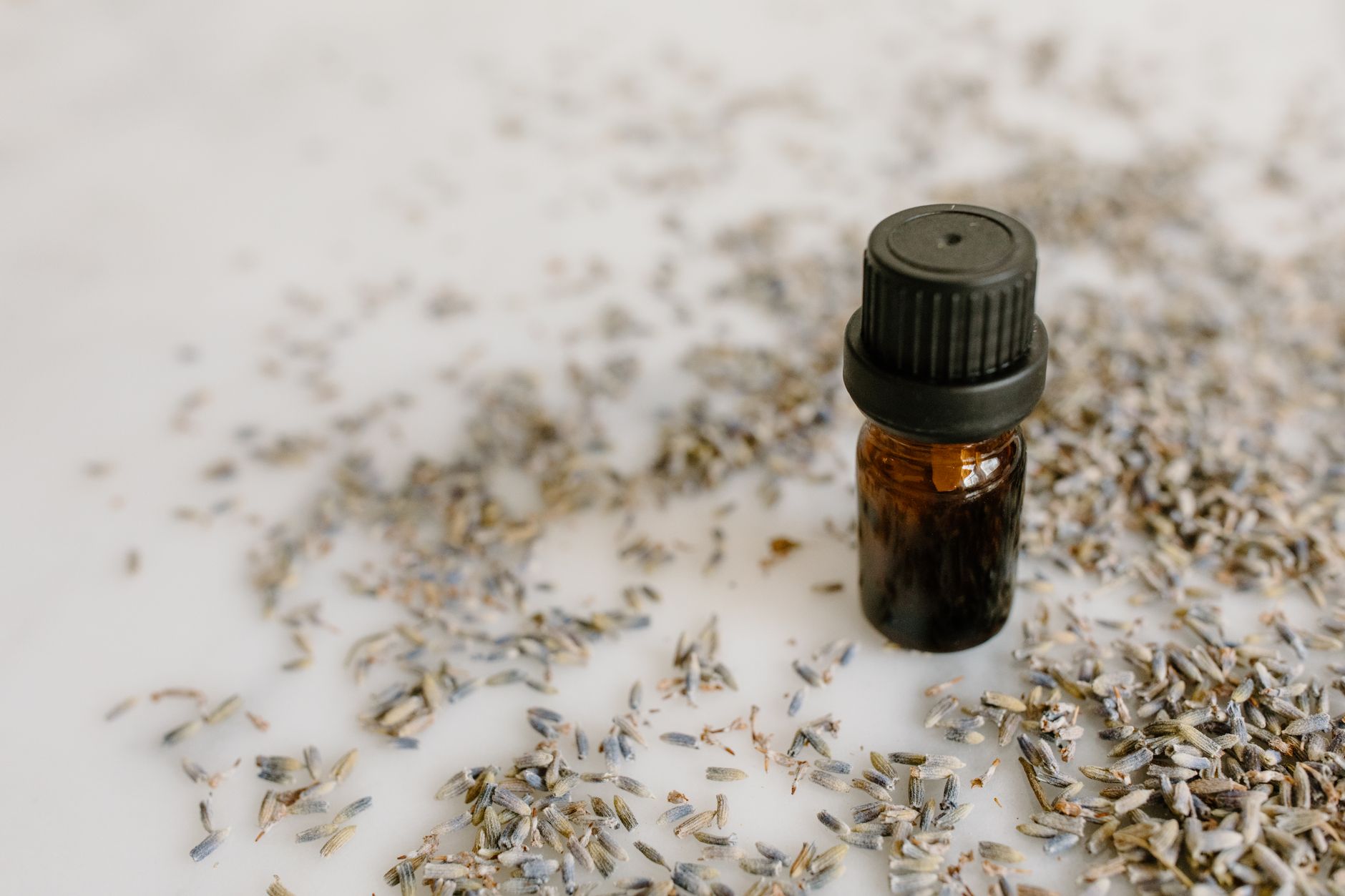
1. Plain, Fragrance Free Moisturizer
This is the most well supported natural approach for eczema, even though it sounds almost too simple. Regular, generous moisturizing helps rebuild the skin's lipid barrier, reduces water loss, and lowers the number of flares over time. Reviews of moisturizer studies show that people who moisturize consistently have fewer flares and often need less medicated cream to manage their eczema.
The key is choosing a thick cream or ointment rather than a thin lotion, and applying it within a few minutes of bathing while the skin is still slightly damp. Fragrance and added preservatives can irritate sensitive skin, so simpler formulas tend to work better.
2. Sunflower Seed Oil

Not all natural oils are equal for eczema, and this is one of the better studied ones. Sunflower seed oil is rich in linoleic acid, a fatty acid that supports the skin's own barrier lipids. Studies, including trials in infants, have found that applying sunflower seed oil improves skin hydration and barrier strength without causing irritation.
By contrast, olive oil has actually been shown in some trials to weaken the skin barrier rather than help it, which is a useful reminder that "natural" does not automatically mean beneficial for skin. If you want to try an oil, look for a cold pressed, unrefined sunflower seed oil and apply a thin layer to slightly damp skin.
3. Virgin Coconut Oil
Small clinical trials, including one in children with atopic dermatitis, found that applying virgin coconut oil twice daily for about eight weeks improved eczema severity scores more than mineral oil did. Coconut oil also appears to reduce the amount of *Staphylococcus aureus* bacteria on the skin, which matters because this bacteria tends to overgrow on eczema prone skin and can make flares worse.
As with any oil, patch test first on a small area, since a small number of people find coconut oil pore clogging or irritating.
Simple daily routine to try
- Take a short, lukewarm shower or bath instead of a long hot one, since hot water strips natural oils from the skin.
- Pat skin dry gently rather than rubbing.
- Apply your chosen oil or moisturizer within three minutes, while skin is still damp.
- Reapply moisturizer at least twice a day, and after handwashing.
- Keep fingernails short to reduce skin damage from scratching during flares.
4. Colloidal Oatmeal Baths
Colloidal oatmeal, which is oatmeal ground into a fine powder that disperses in water, has a long history of use for itchy skin and is actually recognized by the FDA as a skin protectant ingredient. Compounds in oats called avenanthramides have anti-inflammatory and antioxidant properties that can help calm itching and redness.
Adding colloidal oatmeal to a lukewarm bath for ten to fifteen minutes, then moisturizing right after, is a gentle way to soothe widespread itching, especially during a flare.
5. Wet Wrap Therapy
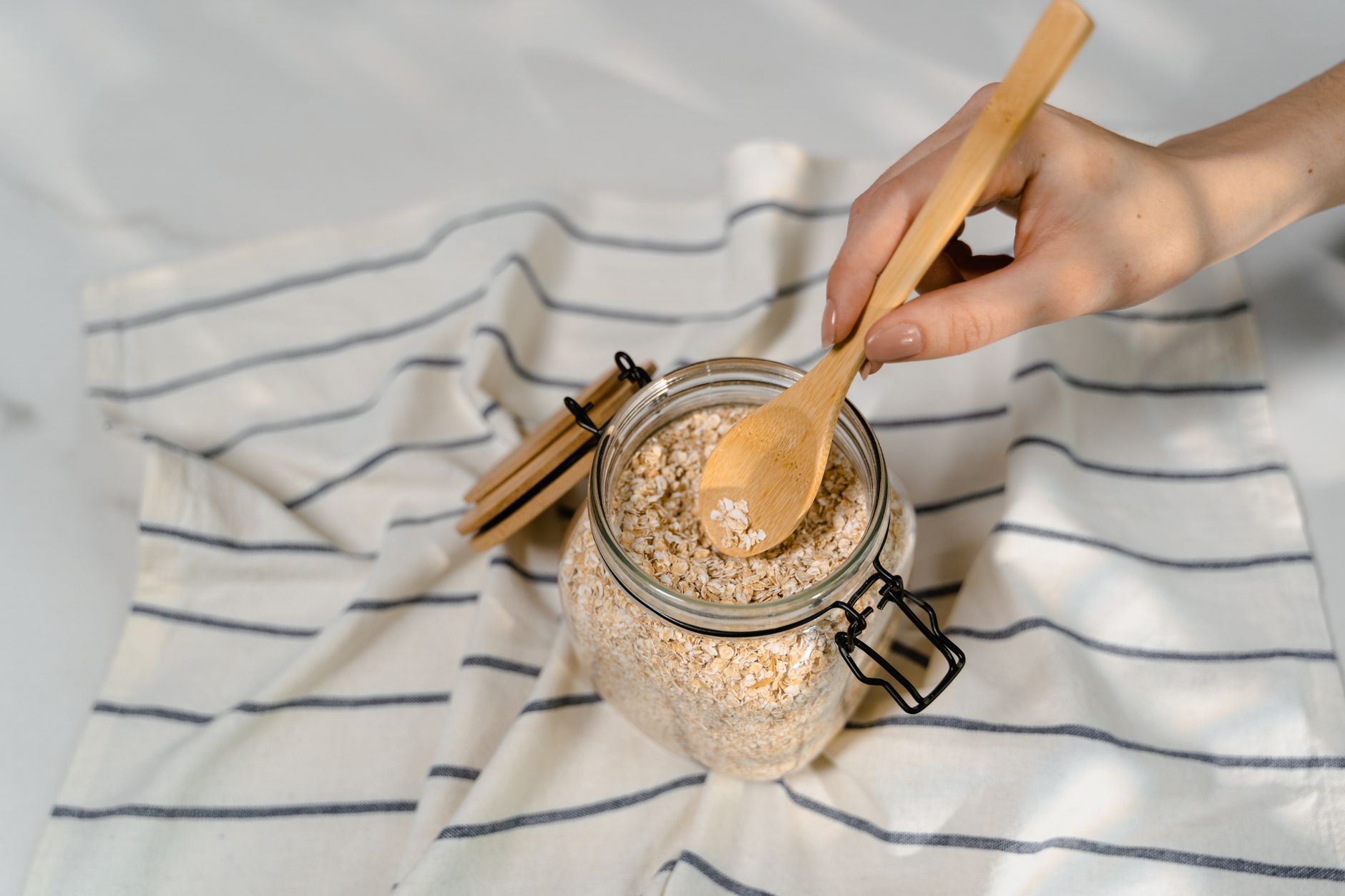
This technique involves applying moisturizer (or a prescribed medication, if you use one) to affected skin, then covering it with a damp layer of clothing or bandages, followed by a dry layer on top. Dermatology studies have found wet wrapping can significantly improve eczema severity in both children and adults during flare ups, likely because it boosts hydration and helps the skin absorb moisturizer more effectively while also physically protecting it from scratching.
It is usually done overnight or for a few hours and is best learned from a healthcare provider first, since doing it incorrectly can trap too much moisture and irritate skin further.
6. Identifying and Avoiding Personal Triggers
Eczema flares are often triggered by specific things: certain fabrics like wool, fragranced soaps and detergents, sweat, dust mites, or even certain foods in some people, especially children. Keeping a simple diary of flares alongside recent exposures can help you spot patterns.
Switching to fragrance-free laundry detergent, wearing breathable cotton clothing, and washing new clothes before wearing them are small, low-cost changes that can meaningfully reduce flare frequency for many people.
Skin conditions often overlap in the sense that they all trace back to barrier health and irritation control. If you also deal with flaky scalp skin, our guide on natural remedies for dandruff covers similar barrier-supporting principles. And if a skin flare has led to a related ear issue, such as itching or irritation near the ear canal, our post on natural remedies for ear infection may also be useful.
When to See a Doctor
Natural remedies can meaningfully reduce symptoms and support skin health, but they are not a substitute for medical care when eczema is severe, infected, or not responding to home care. See a healthcare provider if you notice oozing, yellow crusting, fever, or if itching is severe enough to disrupt sleep for several nights in a row.
Frequently Asked Questions
Can eczema be cured with natural remedies? No. Eczema is a chronic condition related to skin barrier function and immune response, and there is no known cure, natural or otherwise. Natural remedies can help manage symptoms, reduce flare frequency, and support comfort, but they work alongside good skin care rather than replacing it.
Is coconut oil good for all types of eczema? Virgin coconut oil has helped in some studies, particularly for mild to moderate eczema, but it can be pore clogging for some skin types and may not suit everyone. Always patch test on a small area first and stop use if irritation develops.
How often should I moisturize eczema prone skin? Most dermatology guidance suggests moisturizing at least twice daily, and always right after bathing or handwashing. Consistency matters more than the specific product, as long as it is fragrance free and gentle.
Are oatmeal baths safe for children with eczema? Colloidal oatmeal baths are generally considered gentle and safe for children, including infants, when using lukewarm water and a product made specifically as colloidal oatmeal rather than regular cooking oats. Always check with a pediatrician if your child has very sensitive or broken skin.
Why does hot water make eczema worse? Hot water strips natural oils from the skin surface, which weakens the already fragile barrier in eczema prone skin and can increase dryness and itching afterward. Lukewarm water for shorter periods is generally gentler and better tolerated.
Can food allergies cause eczema flares? In some children, certain foods can trigger or worsen eczema flares, though this is less common in adults. If you suspect a food trigger, it is best to work with a doctor or allergist rather than eliminating foods on your own, since unnecessary restriction can affect nutrition.
Sources
- Economic evidence for the prevention and treatment of atopic eczema: a protocol for a systematic review
- What’s new in atopic eczema? An analysis of systematic reviews published in 2018. Part 1: prevention and topical therapies
- Emollients and other topical treatments - Scoping systematic review of treatments for eczema - NCBI Bookshelf
- Chinese herbal medicine research in eczema treatment
Ready to put this into practice?
More on Natural Remedy For Eczema
Related articles you may find helpful.
Our best sellers
Practical, science-backed resources our readers love.
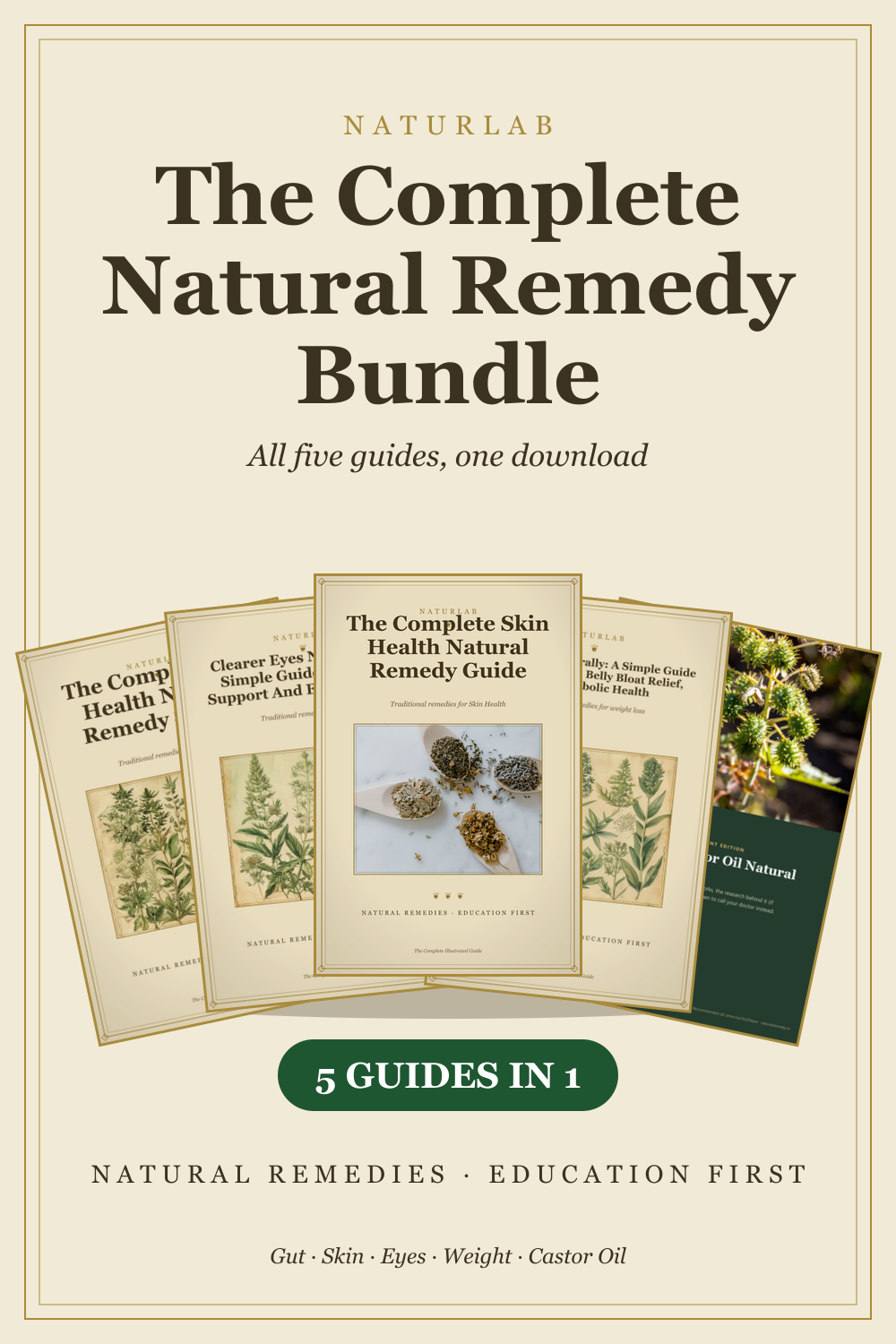
The Complete Natural Remedy Bundle: All 5 Guides
Gut, skin, eyes, weight and castor oil. Every NaturLab guide in one download, for one small price.
$63.93$9.99
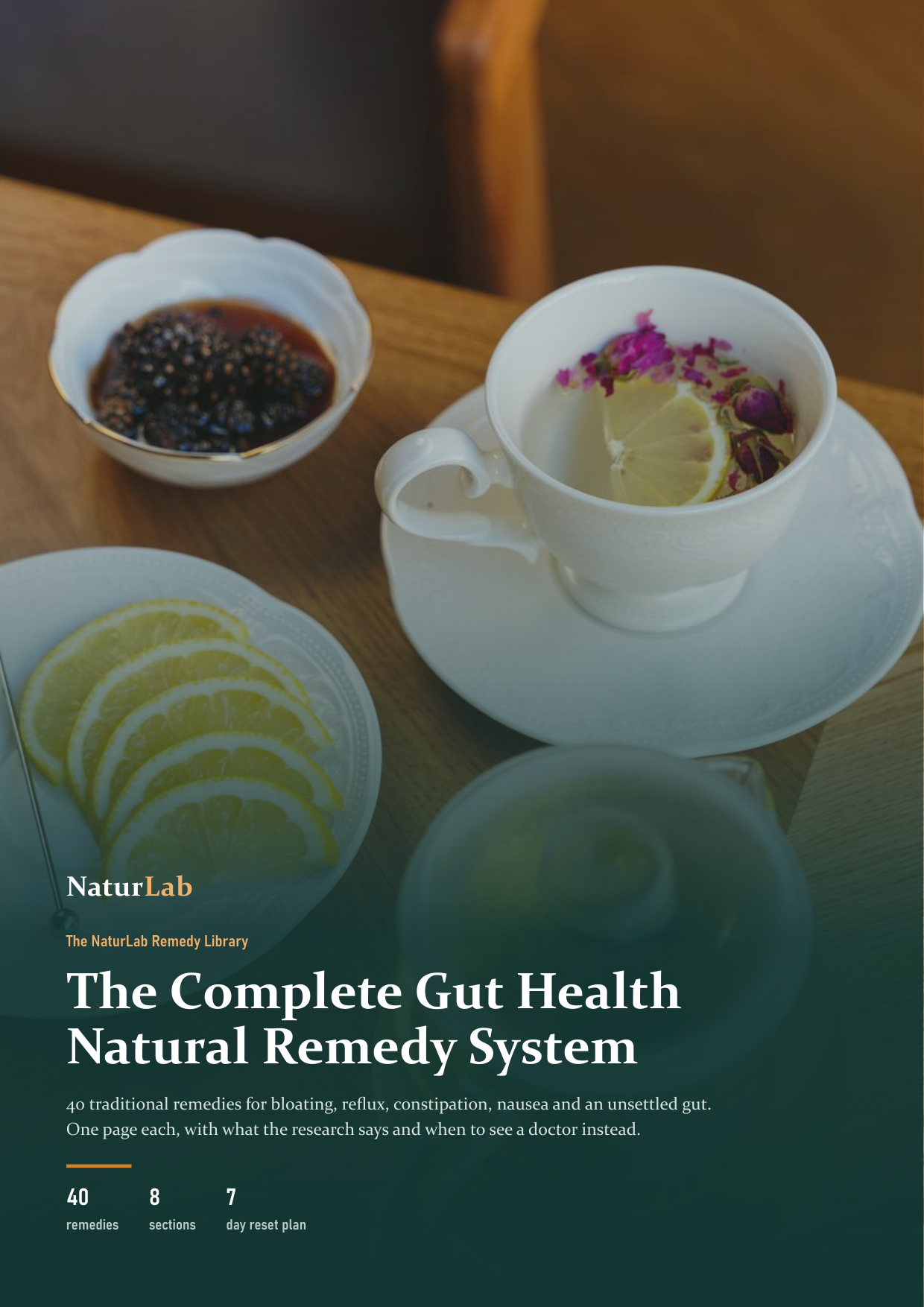
The Complete Gut Health Natural Remedy System
A complete natural remedy system for Gut Health.
$29.00$10.99
Clearer Eyes Naturally: Natural Remedies For Your Eyesight
A complete natural remedy system for Vision.
$29.00$15.97