
What Causes Warts and Natural Ways to Clear Them
What causes warts to form and spread, explained simply, plus natural approaches that work with your skin and immune system to help clear them.
Warts are one of those skin issues that feel mysterious until you understand the biology behind them. Once you see what is actually happening under the skin, the natural approaches that help start to make a lot more sense.
What Actually Causes Warts
Warts are not random bumps that show up for no reason. They have one specific cause: a virus called human papillomavirus, or HPV. There are more than 100 strains of HPV, and only a handful of them cause the warts you see on hands, feet, and other areas of skin. Common warts are usually linked to HPV types 2 and 4, flat warts to types 3, 10, and 28, and the deep, painful warts on the soles of your feet mostly to type 1.
The virus needs a way in. It enters through small cuts, cracks, or softened skin, then causes the outer layer of skin to grow faster and thicker than normal. That extra growth is the wart itself. This is why warts love damp, soft, or injured skin. Locker rooms, pool decks, and shared showers are classic breeding grounds because the virus survives well on wet surfaces and skin that has been softened by moisture is easier to penetrate.
Why some people get warts and others do not

This comes down to the immune system. Over time, most people build immunity to the common HPV strains that cause warts, and once that immunity develops, the virus simply cannot take hold anymore. The problem is that building this immunity takes years, which is exactly why warts are so common in children and teenagers and far less common in adults. If you are an adult who suddenly starts developing new warts out of nowhere, it is worth mentioning to a doctor, since new-onset common warts in adults can sometimes point to an underlying immune issue.
Why warts can be so stubborn
Once a wart is established, HPV encourages the skin to grow its own small blood supply and nerve connections to feed itself. That is part of why warts can be so persistent and hard to budge. Left alone, most warts will eventually go away on their own, usually within one to two years, once the immune system finally recognizes the virus and clears it. We know this is an immune process because when warts spontaneously disappear, researchers find a surge of immune cells called T lymphocytes in the tissue, actively fighting the infection.
The Three Levers That Natural Approaches Work On
Once you understand the cause, the fixes make sense. Since warts come from a virus (1) entering vulnerable skin (2) and persisting until the immune system catches up (3), effective home approaches generally do one of three things: break down the thickened, infected skin, physically disrupt the wart tissue, or nudge the immune system to notice and respond to the virus.
1. Salicylic acid to dissolve the thickened layer
This is the best-studied option in this space. Salicylic acid is a keratolytic, meaning it softens and dissolves the buildup of hard, infected skin cells so they shed away layer by layer. A major Cochrane review covering 85 clinical trials and over 8,800 participants found that salicylic acid significantly increased wart clearance compared to placebo. It is slow and requires daily consistency, usually applied after soaking the area and gently filing down dead skin, but the evidence behind it is genuinely solid.
2. Duct tape occlusion to disrupt the wart
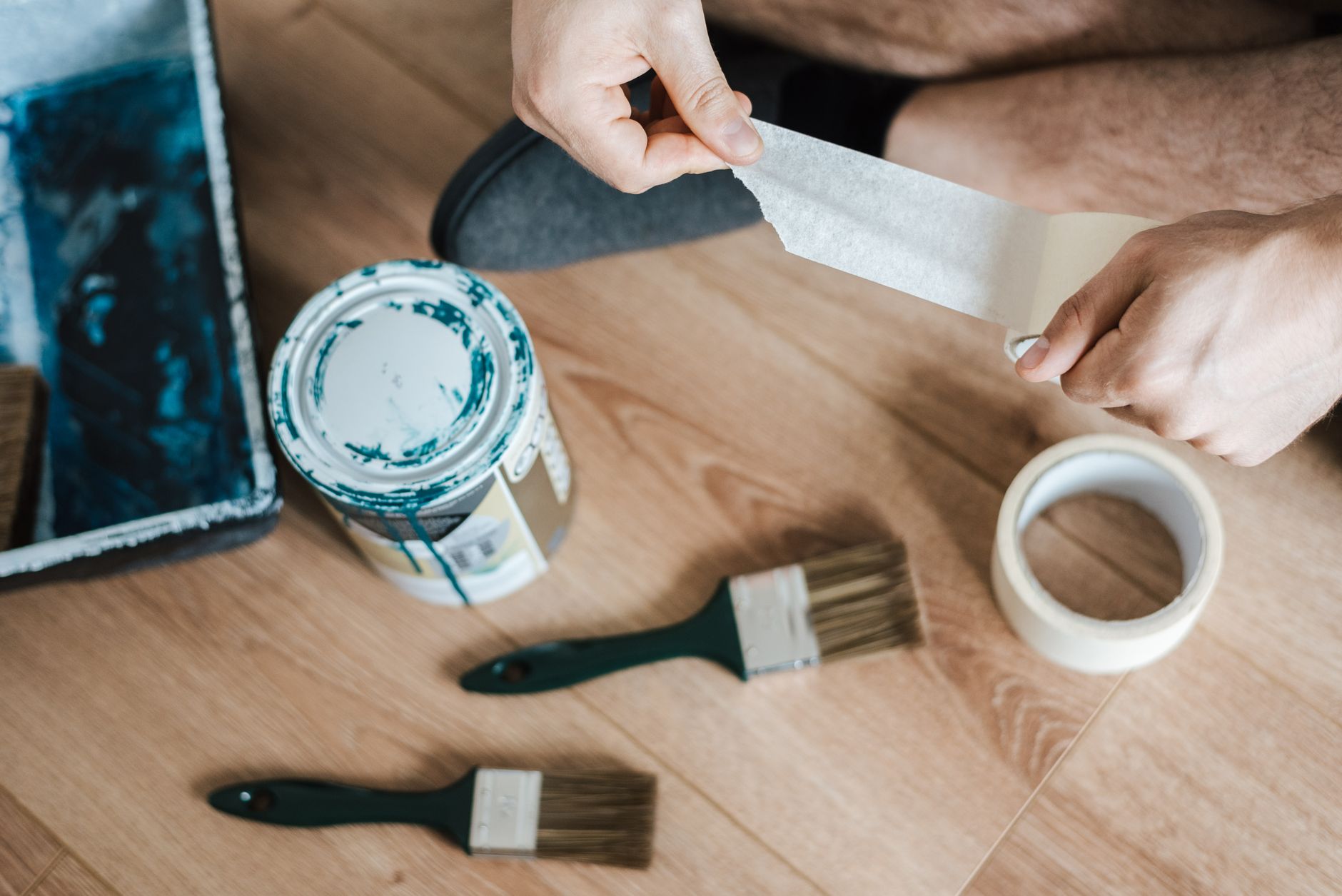
Covering a wart with duct tape for several days at a time, then soaking and filing it, is a low-cost traditional method some people use alongside salicylic acid. The idea is that repeated occlusion and mild irritation may help trigger a local immune response, though evidence is mixed and it works better as a companion to acid treatment than a stand-alone fix.
3. Supporting the immune response
Because regression is ultimately an immune event, anything that supports general immune function, adequate sleep, a nutrient-rich diet, and avoiding constant re-injury to the area, gives the body a better shot at clearing the virus on its own timeline. Some people also try gentle irritants like diluted tea tree oil on surrounding skin, though this should never be used on broken skin without care, since it can irritate healthy tissue too.
4. Keeping skin dry and protected
Since moist, broken skin is the virus's main entry point, keeping feet dry, wearing sandals in communal showers, and covering any open warts with a bandage during activity all reduce the chance of spreading the virus to new skin or to other people.
If you want a deeper walkthrough of specific methods and how to apply them step by step, our guide on natural remedies for warts at home covers six approaches in more detail. For a broader resource that ties together skin care beyond just warts, The Complete Skin Health Natural Remedy Guide is a reasonably priced option worth considering, though it is a general resource rather than a promise of any specific outcome.
Skin conditions caused by viruses or imbalance often share this same pattern of cause and immune response, which you can also see in our articles on vaginal thrush and vaginal atrophy.
Frequently Asked Questions
How long does it take for salicylic acid to clear a wart? Most studies show noticeable improvement after several weeks of daily use, with full clearance sometimes taking two to three months. Consistency matters more than strength, so steady daily application tends to outperform sporadic use.
Can warts spread to other parts of the body? Yes. HPV can spread to nearby skin through scratching, shaving, or biting nails near a wart. Keeping the area covered and avoiding picking at it reduces this risk.
Are plantar warts different from common warts? Plantar warts grow on the soles of the feet and are often pushed inward by the pressure of walking, which can make them more painful than warts elsewhere. They are usually linked to a different HPV strain and can take longer to clear.
Should I see a doctor instead of treating a wart at home? If a wart is painful, bleeding, changing in appearance, or located on the face or genitals, it is best to have it checked by a doctor rather than self-treating. The same applies if you are an adult with no history of warts who suddenly develops new ones.
Do warts always go away on their own? Many do, often within one to two years, once the immune system recognizes and clears the virus. That said, waiting is not always comfortable or practical, which is why many people choose to speed things along with treatments like salicylic acid.
Sources
Ready to put this into practice?
More on Natural Remedy For Warts
Related articles you may find helpful.
Our best sellers
Practical, science-backed resources our readers love.

The Complete Natural Remedy Bundle: All 5 Guides
Gut, skin, eyes, weight and castor oil. Every NaturLab guide in one download, for one small price.
$63.93$9.99

The Complete Gut Health Natural Remedy System
A complete natural remedy system for Gut Health.
$29.00$10.99
Clearer Eyes Naturally: Natural Remedies For Your Eyesight
A complete natural remedy system for Vision.
$29.00$15.97