
7 Natural Remedies for Colds and Flu That Are Backed by Research
Explore natural remedies for colds and flu, from honey and zinc to rest and warm fluids, explained with simple, honest science.
When a cold or flu hits, most of us reach for whatever seems to help, whether that's grandma's chicken soup or a spoonful of honey before bed. Some of these old habits turn out to have real science behind them. Others are more about comfort than cure. Here's an honest look at the natural remedies for colds and flu that have actual research support, along with why they seem to work.
It's worth saying upfront: none of these remedies cure a cold or the flu. Colds and flu are caused by viruses, and your immune system has to do the real work of clearing them. What these remedies can do is ease symptoms, shorten how long you feel miserable, or support your body while it fights off the infection.

1. Honey for Cough and Throat Irritation
Honey is one of the most studied home remedies for cold symptoms, especially cough. Several trials have compared honey to over-the-counter cough syrups and found it performs just as well, sometimes better, particularly in children.
Why it works: honey is thick and coats the throat, which reduces irritation. It also has mild antibacterial properties and may encourage the body to produce more soothing saliva and mucus, both of which calm a scratchy throat and reduce coughing.
A spoonful of honey, plain or stirred into warm water or tea, about an hour before bed is a common way people use it. One important safety note: never give honey to a child under one year old, because of the risk of infant botulism.
2. Zinc Lozenges Taken Early

Zinc lozenges have shown, across several clinical trials, that they can shorten the length of a common cold by roughly a day or two, but only when started within the first 24 hours of symptoms.
Why it works: zinc appears to interfere directly with how rhinoviruses attach to and multiply in the cells lining your nose and throat. It also plays a supporting role in normal immune cell activity.
Most effective study doses used lozenges dissolved slowly every couple of hours while awake. Zinc nasal sprays are best avoided, since they've been linked to lasting loss of smell. Stick to short-term oral use rather than daily supplementation.
3. Vitamin C, Taken Regularly
Vitamin C has a mixed reputation, and the research explains why. Taking vitamin C only after symptoms start doesn't do much for most people. But taking it consistently, before you get sick, has been linked in pooled studies to modestly shorter and milder colds, especially in children.
Why it works: vitamin C supports several immune functions and acts as an antioxidant, which may help limit some of the inflammation that makes cold symptoms feel worse.
This is more of a prevention habit than a treatment you reach for once you're already sneezing. A varied diet with citrus fruits, peppers, and leafy greens can supply meaningful amounts without supplements.
4. Elderberry Extract Early in Illness
Elderberry syrup has become a popular flu remedy, and some smaller trials support it, particularly when taken within the first two days of flu-like symptoms.
Why it works: elderberries contain flavonoids and anthocyanins that seem to have mild antiviral and anti-inflammatory effects, potentially interfering with how viruses attach to cells.
Only use commercially prepared, cooked elderberry products. Raw or unripe berries and other plant parts contain compounds that can cause nausea and vomiting, so homemade or uncooked versions aren't safe.
5. Probiotics for Prevention

Probiotics aren't a quick fix once you're already sick, but regular use of certain strains has been linked to fewer colds per year and somewhat shorter illness when they do happen.
Why it works: a large portion of immune activity is tied to the gut, and certain probiotic strains appear to help support that immune response, potentially making you a bit more resistant to catching respiratory infections in the first place.
This is a long-term habit, not a same-day remedy, so it works best as part of a broader routine that also supports gut and overall wellness.
6. Warm Fluids and Steam
This one is less flashy but well supported by basic physiology. Warm liquids like tea, broth, or plain hot water can temporarily relieve a stuffy nose, soothe a sore throat, and prevent dehydration, which is easy to slip into when you're not eating or drinking normally.
Why it works: warmth and steam help thin mucus and open nasal passages, while staying hydrated supports your body's ability to clear out irritants and keep membranes moist rather than dry and inflamed.
A cup of warm water with lemon and honey, or a bowl of chicken soup, checks several boxes at once: hydration, soothing warmth, and a bit of steam if you sip it while it's still warm.
7. Rest, Because It's Not Optional
It sounds obvious, but rest is genuinely one of the most evidence-backed things you can do. Sleep deprivation has been shown in research to increase susceptibility to catching a cold in the first place and can slow recovery once you're sick.
Why it works: your immune system relies heavily on sleep to coordinate its response to infection. Pushing through a cold with poor sleep and high activity tends to prolong symptoms rather than shorten them.
Giving your body the extra rest it's asking for, even just an earlier bedtime or a lighter schedule for a few days, is one of the simplest and most effective things on this list.
Colds and flu are frustrating, but most of these remedies work by supporting your body's own defenses rather than replacing them. If you're also managing other lingering health concerns, like natural approaches to eye health, a similar principle applies: consistent, evidence-informed habits tend to help more than any single remedy on its own.
Frequently Asked Questions
Can natural remedies cure a cold or the flu faster? No remedy cures a cold or flu, since these are viral infections that your immune system needs time to clear. Remedies like zinc, honey, and elderberry may ease symptoms or modestly shorten how long you feel unwell, but they don't eliminate the virus itself.
Is it better to take vitamin C after I already feel sick? Research suggests vitamin C works best when taken regularly before you get sick, rather than starting only after symptoms appear. Once you're already ill, extra vitamin C has shown little added benefit in most studies.
Is honey safe for children with a cough? Honey appears safe and even helpful for children over one year old, with several studies showing it can ease coughing about as well as some cough medicines. It should never be given to infants under twelve months due to the risk of botulism.
How soon do I need to start zinc lozenges for them to help? Studies show the clearest benefit when zinc lozenges are started within the first 24 hours of symptoms. Starting later in the illness tends to reduce or eliminate the benefit.
Are elderberry supplements safe to take every day? Most research on elderberry looked at short courses, around five days, taken early in an illness rather than daily long-term use. Stick to properly prepared commercial products, since raw or unripe elderberries can cause stomach upset.
What's the single most helpful thing I can do during a cold or flu? Rest and hydration consistently show up as foundational, since sleep supports your immune response and fluids help thin mucus and prevent dehydration. Pairing these basics with a remedy like honey or zinc tends to be more effective than relying on any one approach alone.
Sources
Ready to put this into practice?
More on Natural Remedy For Colds And Flu
Related articles you may find helpful.
Our best sellers
Practical, science-backed resources our readers love.
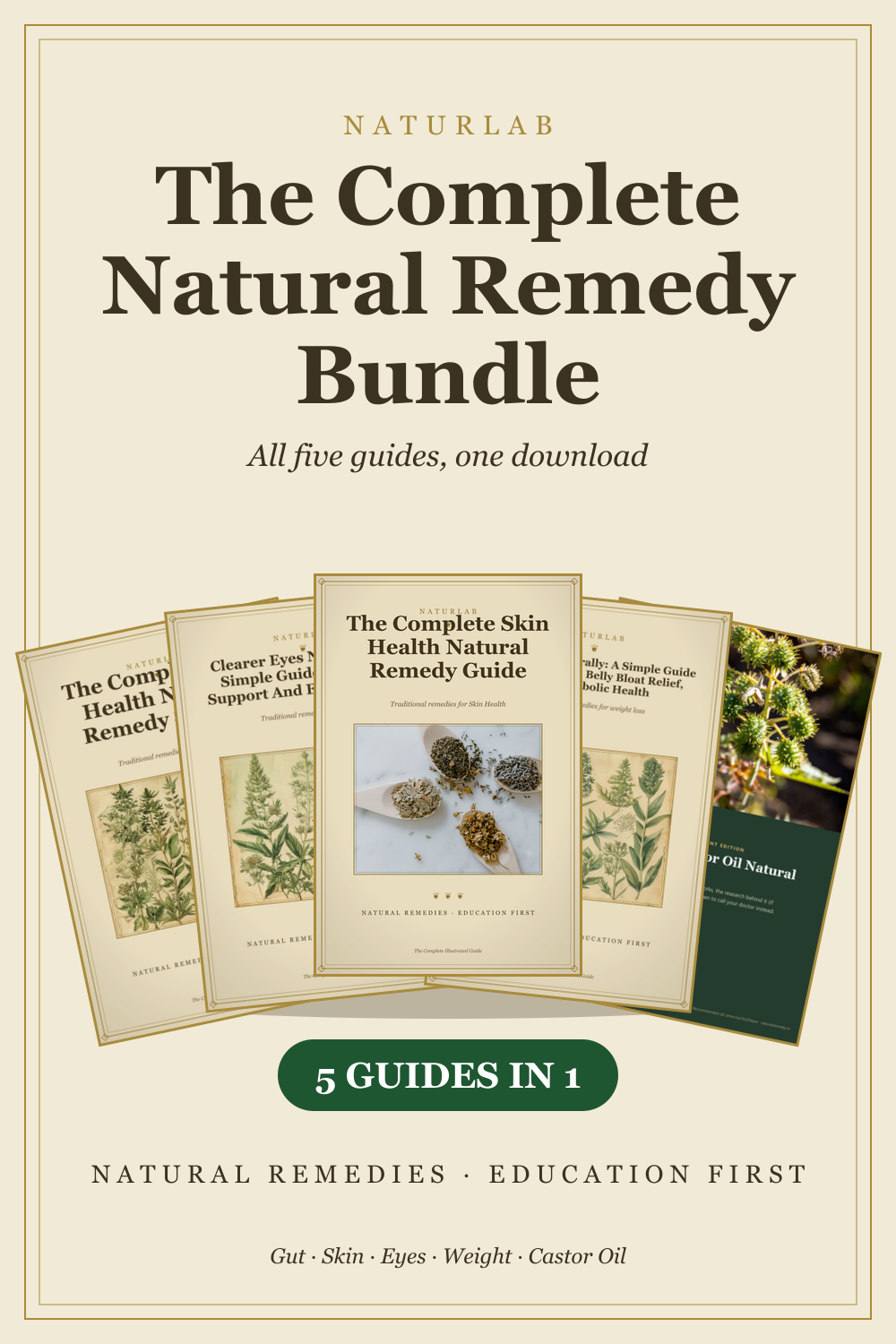
The Complete Natural Remedy Bundle: All 5 Guides
Gut, skin, eyes, weight and castor oil. Every NaturLab guide in one download, for one small price.
$63.93$9.99
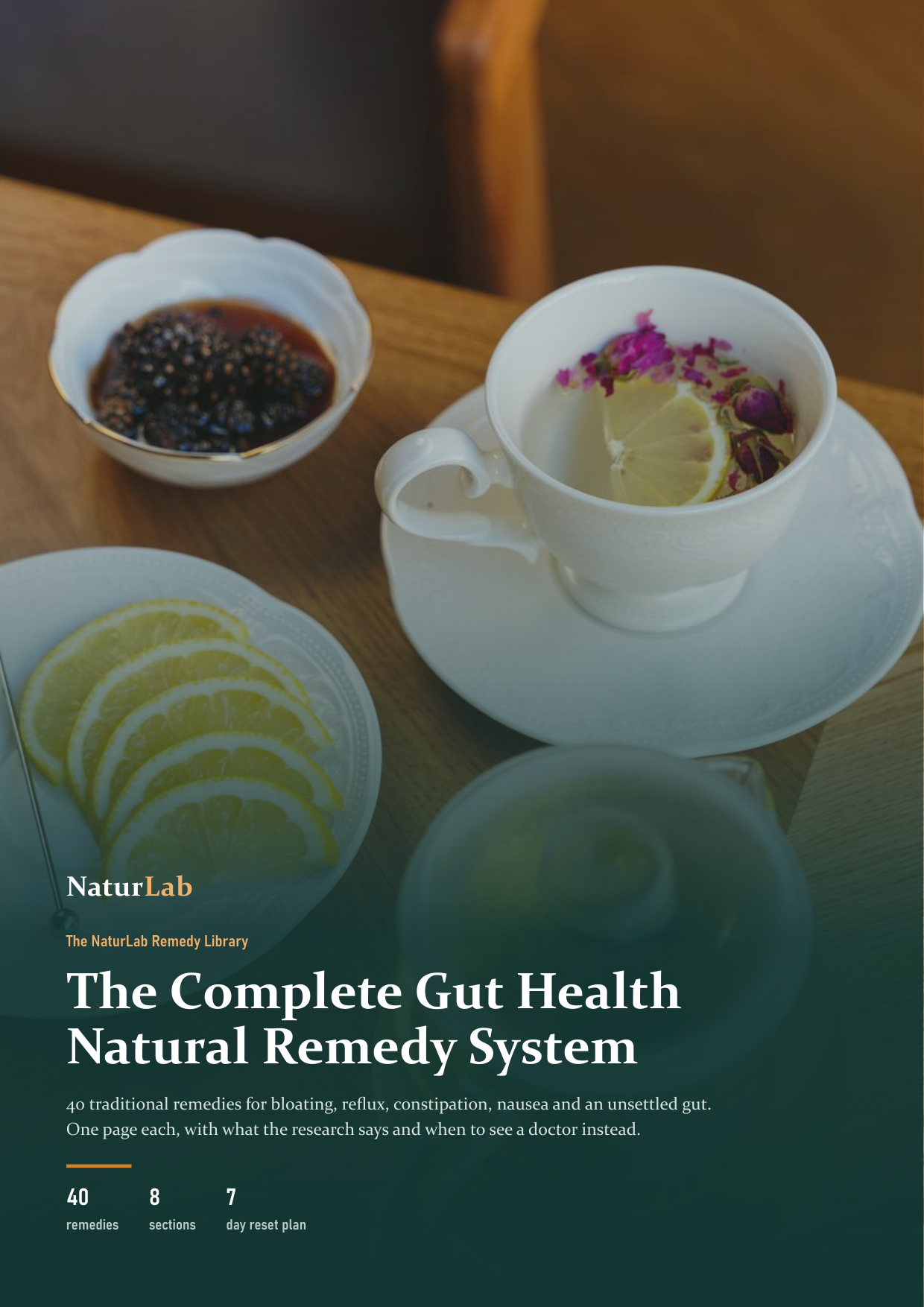
The Complete Gut Health Natural Remedy System
A complete natural remedy system for Gut Health.
$29.00$10.99

Clearer Eyes Naturally: Natural Remedies For Your Eyesight
A complete natural remedy system for Vision.
$29.00$15.97