
What Causes Colds and Flu at Night, and Natural Ways to Ease Symptoms
Learn what actually causes colds and flu symptoms to worsen at night, plus natural remedies like warm drinks, honey, and rest that help each cause.

Why colds and flu feel worse at night
If you've ever noticed that your cough gets worse the moment you lie down, or your congestion feels unbearable at 2am, you're not imagining it. There are real, plain reasons why colds and flu often feel worse at night, and understanding them helps explain why certain natural remedies work better than others for nighttime relief.
Colds and flu are caused by viruses (mostly rhinoviruses for colds, influenza A or B for the flu). Once a virus gets into your nose or throat, your immune system responds by producing inflammation, mucus, and fever, all of which are your body's way of fighting the infection, not signs that something has gone wrong. But a few things change specifically at night that make symptoms feel more intense:
- Lying flat changes how mucus drains. During the day, gravity helps mucus drain down the back of your throat or out through your nose. At night, lying down lets mucus pool in your sinuses and throat, which triggers more coughing and a stuffier nose.
- Cortisol drops overnight. Cortisol is a natural anti-inflammatory hormone, and its levels naturally dip while you sleep. Lower cortisol means inflammation in your airways is less suppressed, so swelling and congestion can feel worse.
- Distractions disappear. During the day you're busy, so your brain filters out some of the discomfort. At night, with nothing else to focus on, every cough or sniffle feels more noticeable.
- Dry indoor air. Heating systems running overnight dry out the air, which dries your nasal passages and throat, making irritation and coughing worse.
None of this means your cold is getting more dangerous at night. It just means your body's usual coping mechanisms are working differently while you sleep. That's actually good news, because it points to some specific, low-effort remedies that target these exact causes.
Fixing cause #1: mucus pooling and drainage
Since lying flat lets mucus collect in your throat and sinuses, the simplest fix is changing how you sleep and helping mucus move.
1. Prop yourself up while sleeping
Sleeping with an extra pillow or two, so your head and chest are slightly elevated, helps mucus drain more naturally instead of pooling in your throat. This alone can reduce nighttime coughing for many people.
2. Steam inhalation before bed
Breathing in steam from a bowl of hot water (with a towel over your head) or a warm shower loosens mucus and makes it easier to clear before you lie down. This is a traditional remedy that's held up well because it directly addresses thick, sticky mucus.
3. Saline rinse
A simple saline nasal rinse before bed clears out mucus and allergens sitting in your nasal passages, which can reduce congestion enough to help you breathe more easily overnight.
Fixing cause #2: reduced natural anti-inflammatory support
Since your body's own cortisol dips at night, gentle anti-inflammatory support from food and herbs can help pick up some of the slack.
4. Warm honey and lemon
Honey has mild antimicrobial properties and coats the throat, which reduces irritation and coughing. Studies on children with coughs have found honey to be as effective as some over-the-counter cough suppressants at night. Warm water with honey and lemon is a gentle, well-tolerated option (though honey should never be given to children under one year old).
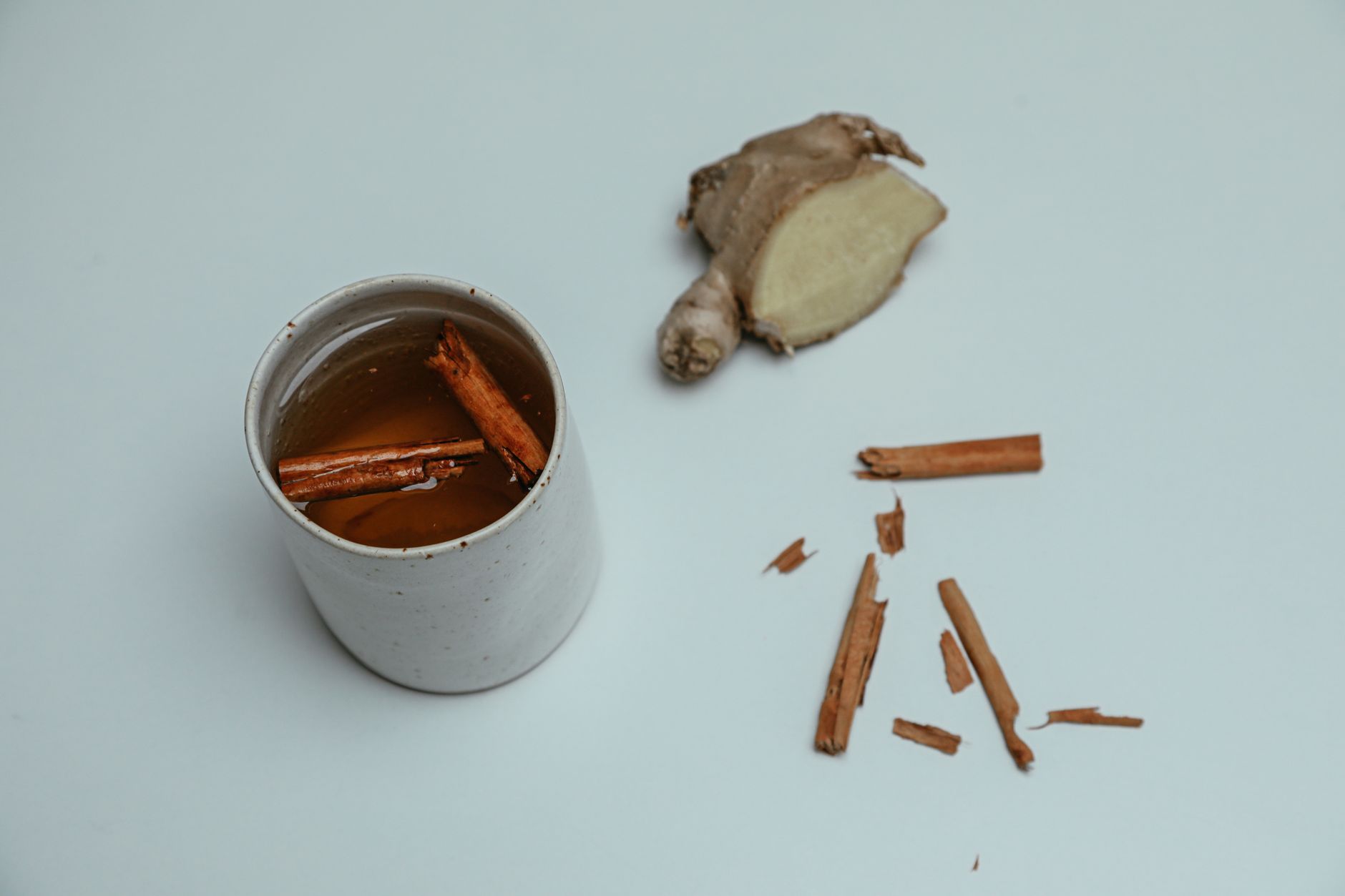
5. Ginger tea
Ginger has natural anti-inflammatory compounds that may help ease throat irritation and settle an upset stomach that sometimes comes with the flu. A warm cup before bed also has the simple benefit of warmth and hydration.
6. Herbal teas with chamomile or licorice root
Both have a long history of traditional use for soothing sore, irritated throats. They aren't going to shorten your illness, but they can make the discomfort more bearable while your immune system does its work.
For more remedies that target the virus and immune response directly, rather than just nighttime symptoms, 7 Natural Remedies for Colds and Flu That Are Backed by Research covers the evidence in more depth.
Fixing cause #3: dry air irritating your airways

Dry, heated indoor air makes coughing and throat irritation worse, especially overnight when you're breathing the same air for hours.
7. Run a humidifier
Adding moisture back into your bedroom air helps keep your nasal passages and throat from drying out, which can meaningfully reduce nighttime coughing. Clean the humidifier regularly, since a dirty one can introduce more irritants than it removes.
8. Stay hydrated throughout the evening
Drinking water, herbal tea, or broth in the hours before bed keeps your mucus thinner and easier to clear, and helps replace fluids lost through fever or a runny nose.
Fixing cause #4: your brain having nothing else to focus on
This cause is less physical, but it's real. When discomfort is the only thing your brain has to process, it feels bigger.
9. A consistent wind-down routine
Dimming lights, avoiding screens, and doing something calming before bed won't cure a cold, but it does help your nervous system settle, which can make it easier to fall asleep despite mild congestion or a scratchy throat.
10. Rest, genuinely
This sounds obvious, but rest is one of the few things with solid backing for helping your immune system fight off viral infections efficiently. Pushing through work or errands while sick doesn't make you tougher, it just extends how long your body needs to recover.
If a lingering cough is your main nighttime issue rather than general cold symptoms, 6 Natural Remedies for Cough That Are Backed by Research digs into that specifically.
When natural remedies aren't enough
These approaches are meant to ease discomfort and support your body while it fights off a common viral illness, not to replace medical care. See a doctor if you have a high fever that doesn't improve, difficulty breathing, chest pain, symptoms lasting more than 10 days, or if you're caring for a young child, an older adult, or someone with a chronic health condition, since flu can be more serious for these groups.
Frequently Asked Questions
Why does my cough get worse only at night? Lying down lets mucus pool in your throat instead of draining away, and lower nighttime cortisol reduces your body's natural anti-inflammatory response. Both combine to make coughing feel more frequent and intense after you lie down.
Is it bad to sleep sitting up with a cold? No, propping yourself up with pillows is a safe and often helpful way to reduce nighttime coughing and congestion. Just make sure you're comfortable enough to actually get restful sleep, since sleep itself supports your immune response.
Can honey really help a nighttime cough? Research on children has found honey performs comparably to some over-the-counter cough medicines for reducing nighttime coughing. It's a reasonable, low-risk option for adults and children over one year old, but should never be given to infants under 12 months.
Does a humidifier actually make a difference? Yes, for many people. Dry air irritates already-inflamed airways, and adding moisture back into the room can reduce throat and nasal irritation overnight. Keep the humidifier clean, since mold or bacteria buildup can worsen symptoms instead of helping.
How long should nighttime cold and flu symptoms last? Most cold symptoms peak within two to three days and improve over a week to ten days, though a cough can linger a bit longer. Flu symptoms often feel more intense but generally follow a similar timeline, with fatigue sometimes lasting longer.
Should I take medication if natural remedies aren't helping enough? It's fine to combine natural remedies with over-the-counter medication if symptoms are disrupting your sleep significantly. If symptoms are severe, worsening, or you have underlying health conditions, it's worth checking with a doctor rather than relying on home remedies alone.
Sources
Ready to put this into practice?
More on Natural Remedy For Colds And Flu
Related articles you may find helpful.
Our best sellers
Practical, science-backed resources our readers love.

The Complete Natural Remedy Bundle: All 5 Guides
Gut, skin, eyes, weight and castor oil. Every NaturLab guide in one download, for one small price.
$63.93$9.99

The Complete Gut Health Natural Remedy System
A complete natural remedy system for Gut Health.
$29.00$10.99

Clearer Eyes Naturally: Natural Remedies For Your Eyesight
A complete natural remedy system for Vision.
$29.00$15.97