How to heal eyesight naturally? Improve Your Vision
Many people take zinc for granted, but this often-overlooked mineral may be the missing link if you want to heal eyesight naturally and support healthy vision as you age.

If you have been eating pumpkin seeds hoping they would support your eyes, there is a good chance your body absorbed almost none of the zinc inside them. Not because the seeds do not work, but because of something coating every single one.
That something is phytic acid, a natural compound found on raw and roasted pumpkin seeds that binds to minerals like zinc before your digestive system can use them. Some research suggests this can block a significant portion of the zinc in a serving, which may explain why so many people eat pumpkin seeds for weeks, notice nothing, and quietly give up. If you are looking to heal eyesight naturally, understanding this one detail changes everything about how you prepare your food.
Why zinc matters more than most people realize
When vision starts to change, most people reach for glasses, eat more carrots, or pick up a generic eye supplement. Each of these addresses a different piece of the puzzle, but none of them solve the underlying issue on their own.
Glasses correct what you see, but they do not support the health of the tissue doing the seeing. Carrots provide vitamin A, but vitamin A cannot get to your retina by itself. It needs a transport system, and that transport system is zinc.
Zinc's specific job inside the eye is to pick up vitamin A from the liver and carry it to the retina, where it is converted into a pigment that supports vision, particularly in low light. Without enough zinc, the vitamin A from every carrot you have ever eaten may simply sit in your liver, going nowhere.
It helps to think of vitamin A as a car and zinc as the fuel. The destination is right there. The road is clear. But without fuel, the car never moves.
What the research says
The Age-Related Eye Disease Study, funded by the National Eye Institute, is one of the largest eye health studies ever conducted. It found that zinc may help slow the loss of visual sharpness and support macular health over time.
This matters even more with age, since the retina naturally holds one of the highest concentrations of zinc in the entire body. After age 60, that concentration tends to decline gradually, often with no clear warning signs until changes in vision are already underway. Most eye exams check pressure and look for structural damage, but they rarely assess whether the body has enough zinc to keep this delivery system running. If you want to dig deeper into other approaches, our natural remedy for vision guide covers additional evidence-based options worth knowing about.
A simple way to unlock the zinc in pumpkin seeds
The encouraging part is that pumpkin seeds are one of the richest natural sources of zinc available. The issue is preparation, not the seed itself. A short soak the night before can make a meaningful difference in how much zinc your body can actually absorb.
Here is the basic method:

- The night before, add one tablespoon of raw pumpkin seeds to a small glass of water with a squeeze of fresh lemon juice, then leave them to soak for at least eight hours.
- In the morning, drain the seeds and blend them with a cup of warm water, or grind them into a fine powder if you do not have a blender and stir the powder into warm water.
- Add another small squeeze of fresh lemon juice at this stage.
- Drink it on an empty stomach, first thing in the morning, before eating anything else.
Why each step matters
Every part of this process is doing a specific job, and skipping a step reduces how much benefit you get.
The overnight soak matters because lemon juice contains citric acid, which helps break down the phytic acid coating on the seed. By morning, much of that barrier is gone, making the zinc inside far more available.
Warm water is used instead of hot or cold because hot water may damage some of the more delicate compounds in the seed, while cold water can slow absorption. Warm water tends to be gentler on a digestive system that has just woken up.
The second squeeze of lemon juice is not just for flavor. Vitamin C has been shown to support how efficiently the body transports zinc across the intestinal wall, so this step is doing real nutritional work.
Finally, drinking it on an empty stomach means there is no other food competing for absorption, which gives the zinc a cleaner path into your bloodstream and, from there, toward the retina.
What to realistically expect, and when
One of the most common reasons people give up on a natural approach is that they expect results faster than biology allows. It helps to know roughly what a realistic timeline looks like.
In the first few days, you likely will not notice anything. Absorption may be improving, but these are changes happening at a cellular level, far too small to feel yet.
By the end of the first week, some people notice their eyes feel slightly less strained by the end of the day. This is less about sharper vision and more about reduced tiredness or that heavy, gritty feeling that builds up by evening.

By weeks three to four, changes tend to become more noticeable for some people. The research behind the Age-Related Eye Disease Study measured outcomes over months of consistent intake, and the operative word throughout that research is "slow," not "reverse." This is about supporting a system that has been running low for a long time, not producing a dramatic overnight change.
Most of the meaningful research on zinc and eye health was conducted over a two to three month period of consistent, daily intake. If you try this for a few days and feel nothing has changed, that is not a sign it is failing. It is simply an early stage of a process that accumulates over weeks.
Key takeaways
- Phytic acid on raw and roasted pumpkin seeds may block a large portion of their zinc from being absorbed.
- Zinc acts as a transport system that carries vitamin A to the retina, where it supports vision, especially in low light.
- Soaking pumpkin seeds overnight in lemon water helps break down phytic acid, making the zinc more available.
- Warm water and a second squeeze of lemon at preparation time may further support absorption.
- Consistency matters more than speed. Most research on zinc and eye health tracked results over months, not days.
If you would rather skip the trial and error, our Support Your Eyes the Natural Way, With a Plan You Can Actually Follow guide lays out this entire approach, and more, in one simple plan you can follow at home.
Frequently Asked Questions
1. Can this morning drink replace my prescription glasses? No. This approach is about supporting the underlying health of the eye tissue, not correcting refractive errors like nearsightedness or farsightedness. Glasses and this kind of nutritional support address different parts of the picture and can be used alongside each other.
2. How long should I try the pumpkin seed drink before expecting results? Most of the research behind zinc and eye health followed people over two to three months of consistent daily intake. Give it at least four to six weeks before judging whether it is helping, since changes tend to build gradually rather than appear overnight.

3. Can I just eat roasted pumpkin seeds instead of soaking them? You can, but research suggests phytic acid remains on both raw and roasted seeds, which may limit how much zinc your body actually absorbs. Soaking them overnight in lemon water is a simple, low-cost way to reduce that barrier.
4. Is it safe to drink this on an empty stomach every day? For most healthy adults, one tablespoon of soaked pumpkin seeds in water is a modest amount and generally well tolerated. If you have a sensitive stomach or an underlying digestive condition, it is worth checking with your healthcare provider before making it a daily habit.
5. Are carrots still worth eating for eye health? Yes. Carrots provide vitamin A, which is genuinely useful for vision, but vitamin A needs zinc to be transported to the retina where it is used. Eating carrots alongside zinc-rich foods like pumpkin seeds may help the vitamin A actually reach where it is needed.
Ready to put this into practice?
More on Natural Remedy For Vision
Related articles you may find helpful.
Our best sellers
Practical, science-backed resources our readers love.
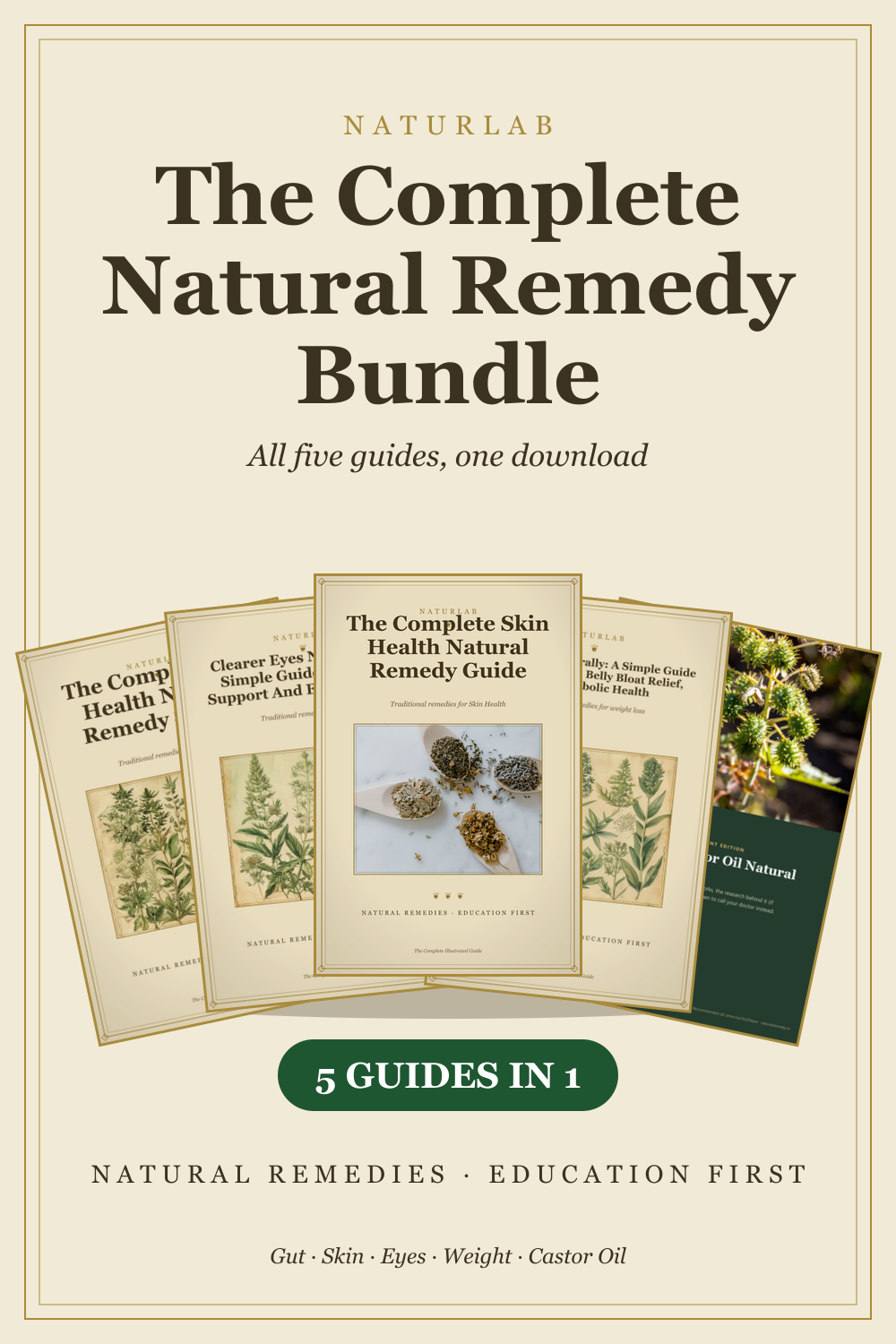
The Complete Natural Remedy Bundle: All 5 Guides
Gut, skin, eyes, weight and castor oil. Every NaturLab guide in one download, for one small price.
$63.93$9.99
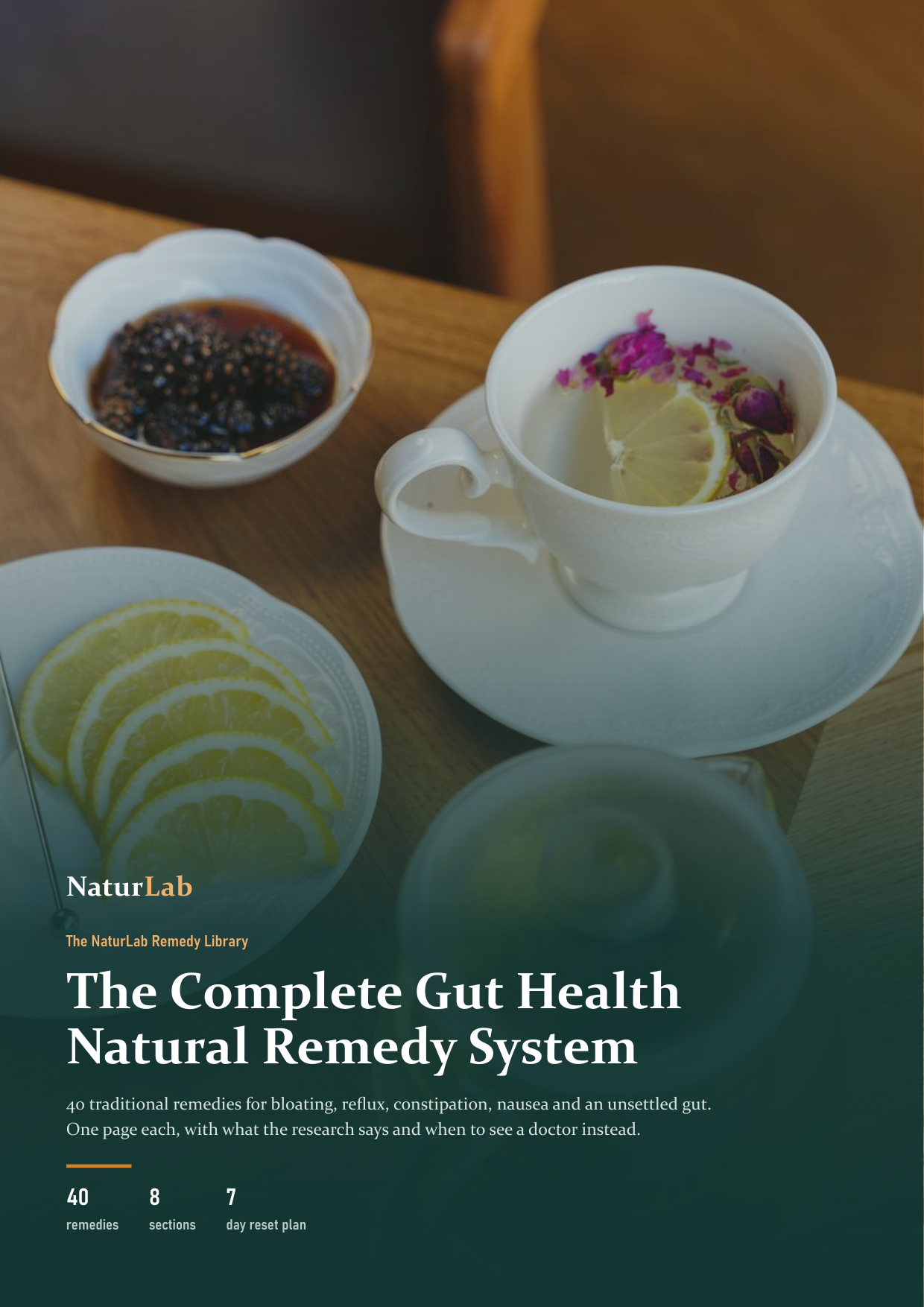
The Complete Gut Health Natural Remedy System
A complete natural remedy system for Gut Health.
$29.00$10.99
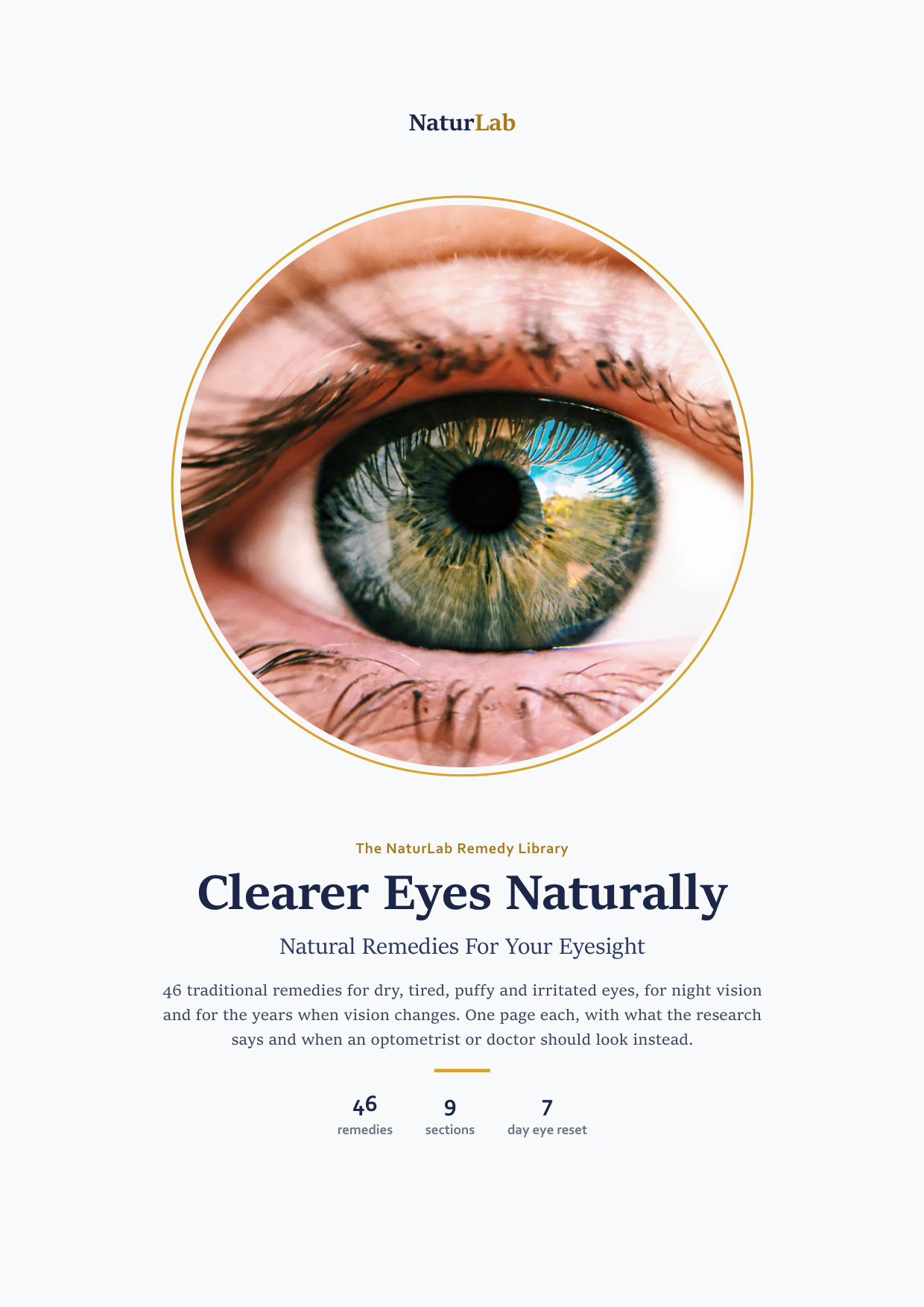
Clearer Eyes Naturally: Natural Remedies For Your Eyesight
A complete natural remedy system for Vision.
$29.00$15.97