
6 Natural Remedies for Arthritis That Are Backed by Evidence
Discover natural remedies for arthritis, from omega-3s to gentle movement, that are backed by real research and may help ease joint pain and stiffness.
Arthritis pain doesn't have to be managed with medication alone. While no natural remedy replaces medical treatment, a growing body of research supports several lifestyle and supplement strategies that can help ease joint pain, stiffness, and inflammation. Here are six well-supported options, along with a simple explanation of why each one may help.

1. Omega-3 Fatty Acids (Fish Oil)
Omega-3s found in fatty fish and fish oil supplements have some of the strongest evidence behind them, particularly for rheumatoid arthritis. A systematic review cited by the Arthritis Foundation found that omega-3 supplements reduced joint pain, stiffness, and swelling in people with rheumatoid arthritis.
Why it works: Omega-3 fatty acids are converted in the body into compounds that help calm inflammatory signaling, which is a key driver of joint pain and swelling in inflammatory arthritis.
2. An Anti-Inflammatory, Mostly Plant-Based Diet

What you eat may matter as much as what you take. Hundreds of studies have shown that a mostly plant-based eating plan can meaningfully reduce inflammation and pain. A 2021 meta-analysis of seven randomized controlled trials looked at several anti-inflammatory eating patterns, including Mediterranean, vegan, vegetarian, and keto diets, and found benefits for joint comfort.
Why it works: Diets rich in vegetables, fruits, whole grains, and healthy fats supply antioxidants and lower levels of pro-inflammatory compounds compared to diets heavy in processed foods and saturated fat. This may help reduce the chronic low-grade inflammation that worsens joint damage over time. If you're also dealing with digestive discomfort while adjusting your diet, our guide to natural remedies for acid reflux covers gentle, food-based approaches that pair well with an anti-inflammatory eating pattern.
3. Glucosamine and Chondroitin
These two supplements are among the most widely used for osteoarthritis. They're natural components of cartilage, the tissue that cushions joints. While overall research is mixed, Mayo Clinic researchers note that evidence supports trying glucosamine sulfate, not glucosamine hydrochloride, with or without chondroitin sulfate, specifically for knee osteoarthritis. They also point out these supplements are inexpensive and side effects are uncommon.
Why it works: As natural building blocks of cartilage, these compounds may support cartilage maintenance and slow the breakdown processes involved in osteoarthritis, though effects vary from person to person.
4. Boswellia (Indian Frankincense)
This herbal extract has some of the more compelling clinical trial data among natural anti-inflammatories. A 2014 Cochrane Review found that a three month course of 100 mg a day of enriched Boswellia extract reduced osteoarthritis pain scores and improved function, without serious side effects. A 2018 systematic review of osteoarthritis supplements also found Boswellia extract stood out for providing short-term relief for knee, hip, and hand pain.
Why it works: Boswellic acids block enzymes involved in the inflammatory cascade, which may reduce swelling and pain in affected joints. This same anti-inflammatory mechanism is part of why plant-based botanicals show up across many areas of natural health, including in remedies discussed in our article on natural remedies for acne, where inflammation also plays a central role.
5. Heat and Cold Therapy

One of the simplest, most accessible remedies. Applying heating pads, taking warm baths or showers, or using warm paraffin wax can temporarily relieve joint pain and stiffness. Ice packs, on the other hand, can help lessen pain and inflammation, especially after physical activity or during a flare.
Why it works: Heat increases blood flow and relaxes stiff muscles and connective tissue around joints. Cold numbs nerve endings and reduces swelling after activity-related flare-ups. Alternating between the two can address different types of discomfort as they arise.
6. Gentle Movement and Mind-Body Practices
Staying active, even gently, is one of the most consistently recommended strategies for arthritis. Practices like yoga, tai chi, and walking keep joints mobile without excessive strain. Relaxation techniques such as meditation, deep breathing, and time spent in nature can also help, since chronic stress is known to amplify pain perception.
Why it works: Movement keeps muscles around joints strong and flexible, which reduces strain on the joint itself. Relaxation practices lower stress hormones and may reduce muscle tension around affected joints, making day-to-day pain more manageable.
Setting Realistic Expectations
It's worth remembering that no single remedy is guaranteed to produce complete and consistent pain relief. The goal with natural approaches usually isn't to eliminate all pain, but to reduce it enough that it becomes easier to manage day to day. Combining a few of these strategies, alongside guidance from a healthcare provider, tends to work better than relying on any one approach alone.
Frequently Asked Questions
How long does it take to see results from natural arthritis remedies? Most natural remedies take weeks rather than days to show noticeable effects. For example, Boswellia studies measured improvements after about three months of consistent use, and dietary changes often take several weeks to a few months to influence inflammation levels.
Can I combine natural remedies with prescription arthritis medication? Many people use natural remedies alongside standard medical treatment, but it's important to check with your doctor first, especially with supplements like fish oil or glucosamine, since they can occasionally interact with blood thinners or other medications.
Is diet alone enough to manage arthritis symptoms? Diet can meaningfully reduce inflammation and support joint comfort, but it's rarely enough on its own for moderate to severe arthritis. It works best as one part of a broader approach that includes movement, appropriate supplements, and medical care when needed.
Are glucosamine and chondroitin worth trying if I have osteoarthritis? Given their low cost and low risk of side effects, many clinicians consider them reasonable to try, particularly for knee osteoarthritis. Response varies by individual, so it's worth giving them a few months before deciding if they're helping.
Does exercise make arthritis worse? Gentle, appropriate movement generally helps rather than harms arthritic joints by keeping supporting muscles strong and joints flexible. High-impact or overly strenuous activity during a flare can aggravate symptoms, so it's best to choose low-impact options like walking, swimming, or tai chi.
Sources
Ready to put this into practice?
More on Natural Remedy For Arthritis
Related articles you may find helpful.
Our best sellers
Practical, science-backed resources our readers love.
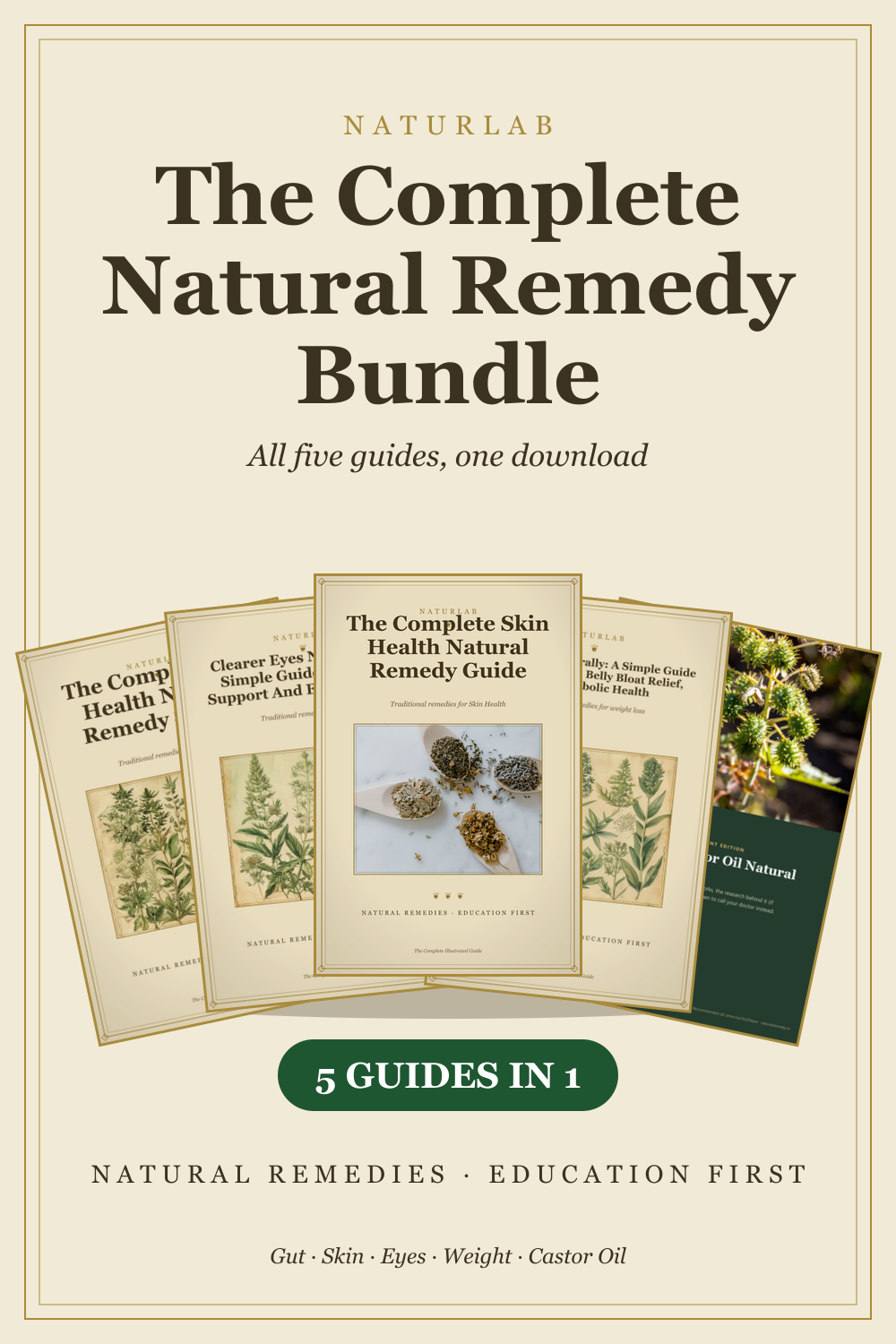
The Complete Natural Remedy Bundle: All 5 Guides
Gut, skin, eyes, weight and castor oil. Every NaturLab guide in one download, for one small price.
$63.93$9.99
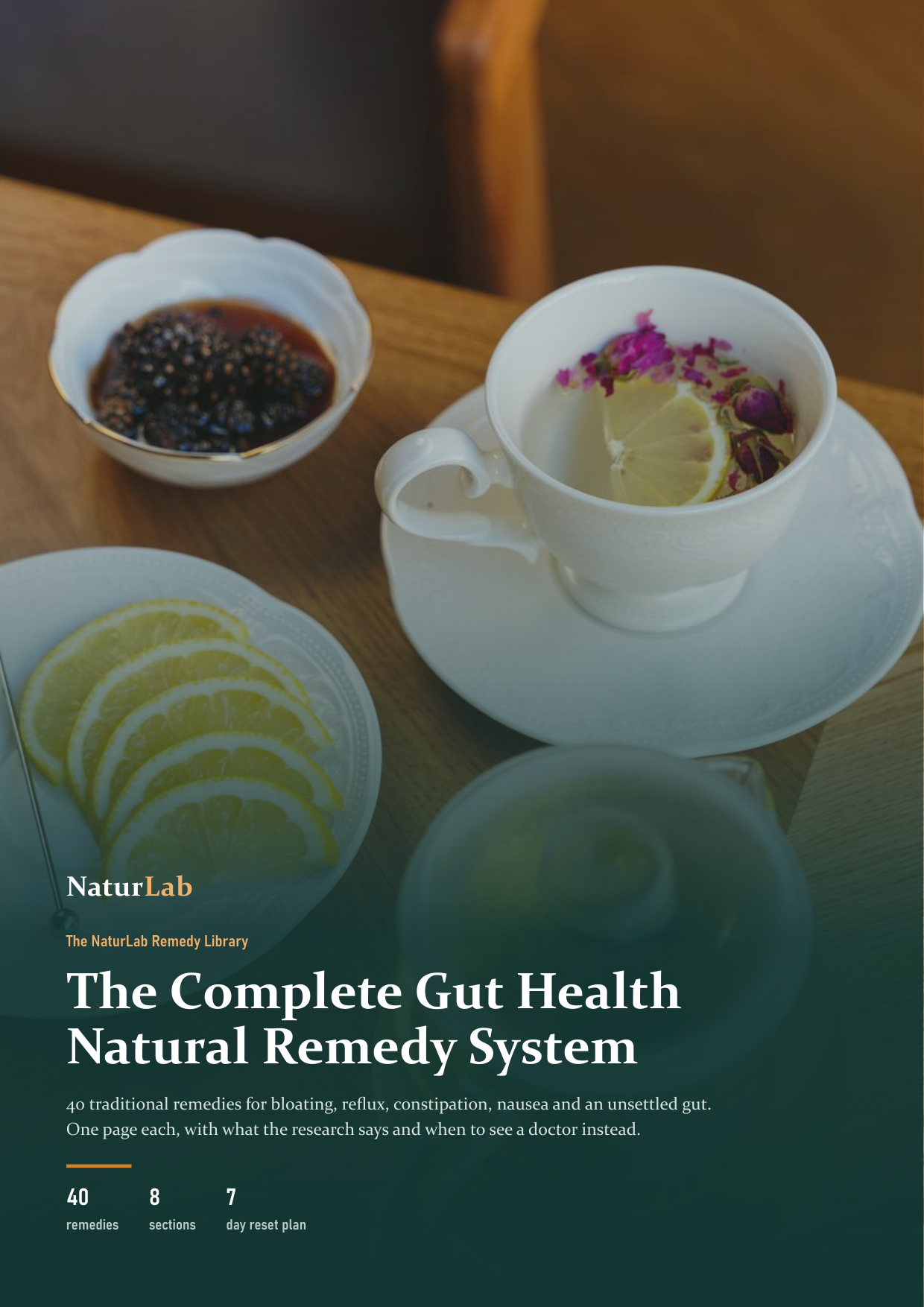
The Complete Gut Health Natural Remedy System
A complete natural remedy system for Gut Health.
$29.00$10.99

Clearer Eyes Naturally: Natural Remedies For Your Eyesight
A complete natural remedy system for Vision.
$29.00$15.97