
7 Natural Remedies For Acne That Are Backed By Real Research
Seven evidence-backed natural approaches to acne, from tea tree oil to simple diet changes, explained in plain language with the research behind each one.
Acne can feel deeply frustrating, especially when you have already tried a shelf full of products with little to show for it. The good news is that a handful of natural approaches do have real evidence behind them, alongside the usual dermatologist-recommended basics. Here is what the research actually supports.

What's Actually Happening With Acne
Acne develops when hair follicles become clogged with oil and dead skin cells, and bacteria that live on the skin trigger inflammation in the process. Hormones, diet, stress, and skincare habits can all influence how much oil your skin produces and how inflamed a clogged pore becomes.
7 Natural Remedies For Acne, Backed By Research
1. Tea tree oil
A randomized, double-blind, placebo-controlled study found that a 5% tea tree oil gel meaningfully reduced acne lesions compared with placebo. It tends to work more slowly than benzoyl peroxide, so give it several weeks, and always dilute it before applying it to your skin to avoid irritation.
2. Lowering the glycemic load of your diet
A randomized study on adult women with acne found that dietary counseling toward lower glycemic load foods, meaning fewer refined carbs and sugary foods, reduced acne severity and lesion count. This does not mean cutting out entire food groups, just favoring whole grains and vegetables over refined carbohydrates more often.
3. Green tea
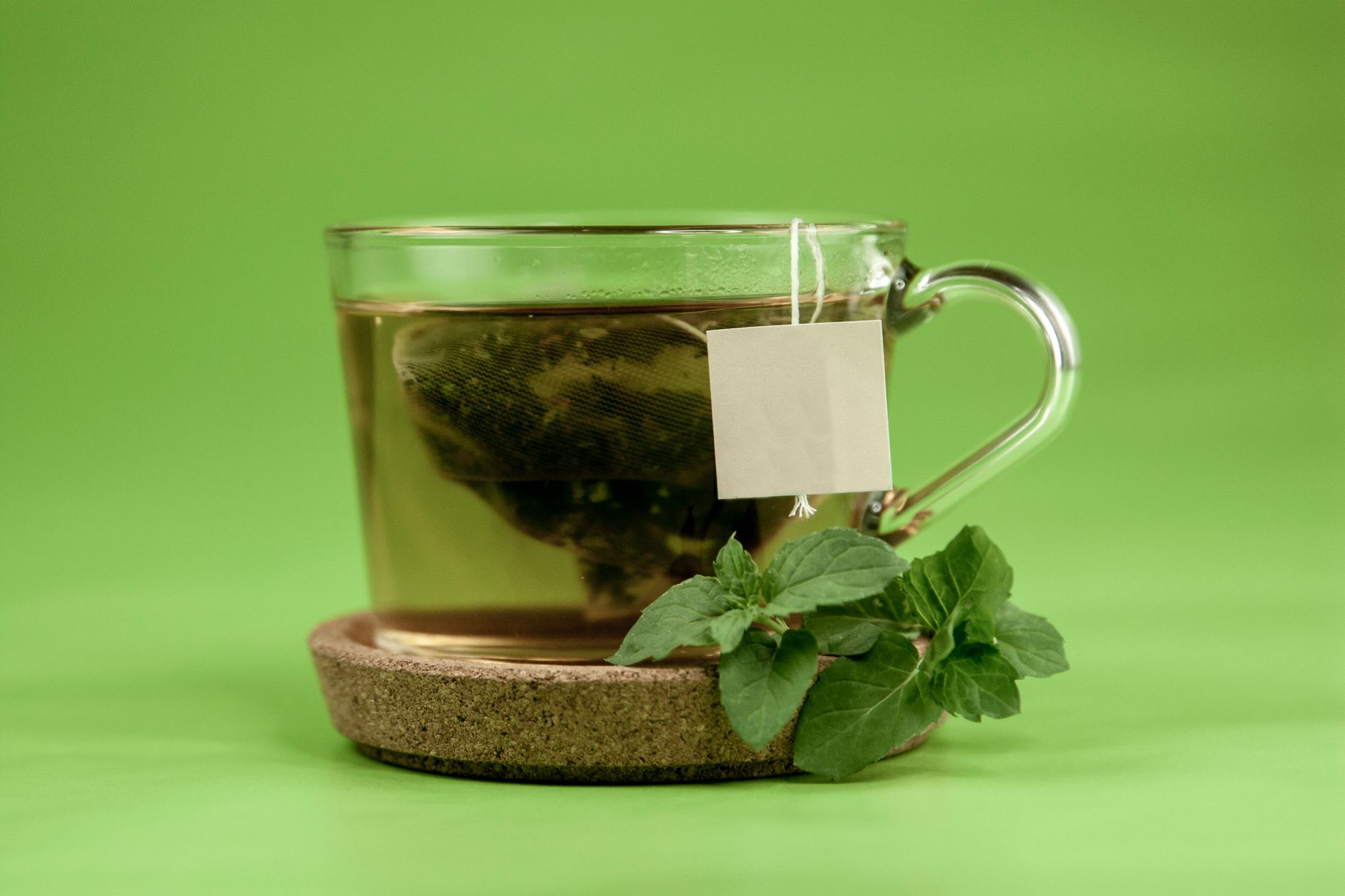
A systematic review and meta-analysis of randomized trials found that green tea, particularly in topical form, can help reduce acne by lowering sebum production and calming inflammation. Drinking it regularly is a simple, low risk place to start.
4. Zinc
Several studies show zinc can modestly improve acne, though the evidence is less robust than for stronger conventional treatments. It is best thought of as a helpful addition to a routine rather than a standalone fix.
5. A gentle, consistent skincare routine
Washing your face more often or scrubbing harder does not clear acne faster, and can actually irritate skin further. A gentle cleanser twice a day, a non-comedogenic moisturizer, and resisting the urge to pick are still some of the most reliable basics.
6. Give it real time
Whatever combination you try, most natural approaches need 8 to 12 weeks of consistent use before you can fairly judge whether they are working. Switching remedies every week makes it impossible to tell what is actually helping.
Skin And The Rest Of Your Body
Skin often reflects what else is going on in the body. If you are also dealing with digestive symptoms alongside skin flare ups, our piece on natural remedies for acid reflux covers food first approaches that some people find helps their skin settle too. And if fine lines and skin texture are also on your mind, we have also looked at whether drinking olive oil before bed actually helps skin.
Frequently Asked Questions
How long before natural acne remedies start working? Most of the approaches above need 8 to 12 weeks of consistent use before you will see a real difference. Skin cell turnover is slow, so patience matters more than switching products often.
Is tea tree oil safe to use directly on skin? Undiluted tea tree oil can irritate skin, so it should be diluted, commonly to around 5 percent, before applying it directly to a blemish. A small patch test first is a sensible precaution.
Does diet actually affect acne? For some people, yes. The strongest dietary evidence points to glycemic load, meaning how quickly a food raises blood sugar. Favoring whole grains, vegetables, and protein over refined carbs and sugary foods is the most evidence backed dietary change.
Can natural remedies replace prescription acne treatment? For mild acne, natural approaches can make a real difference on their own. For moderate to severe or cystic acne, they are usually best used alongside, not instead of, a dermatologist's plan.
Is it normal for acne to get worse before it gets better? With some active ingredients, mild initial irritation is common as skin adjusts. If irritation is severe or lasts more than a couple of weeks, it is worth stopping and reassessing rather than pushing through.
Sources
- Home Remedies for Acne: Do They Work?, Cleveland Clinic
- The efficacy of 5% topical tea tree oil gel in mild to moderate acne vulgaris: a randomized, double-blind placebo-controlled study
- The effects of green tea on acne vulgaris: A systematic review and meta-analysis of randomized clinical trials
- Effect of a Low-Glycemic-Load Diet and Dietary Counseling on Acne Vulgaris Severity Among Female Patients Aged 15 to 35 Years
Ready to put this into practice?
More on Natural Remedy For Acne
Related articles you may find helpful.
Our best sellers
Practical, science-backed resources our readers love.
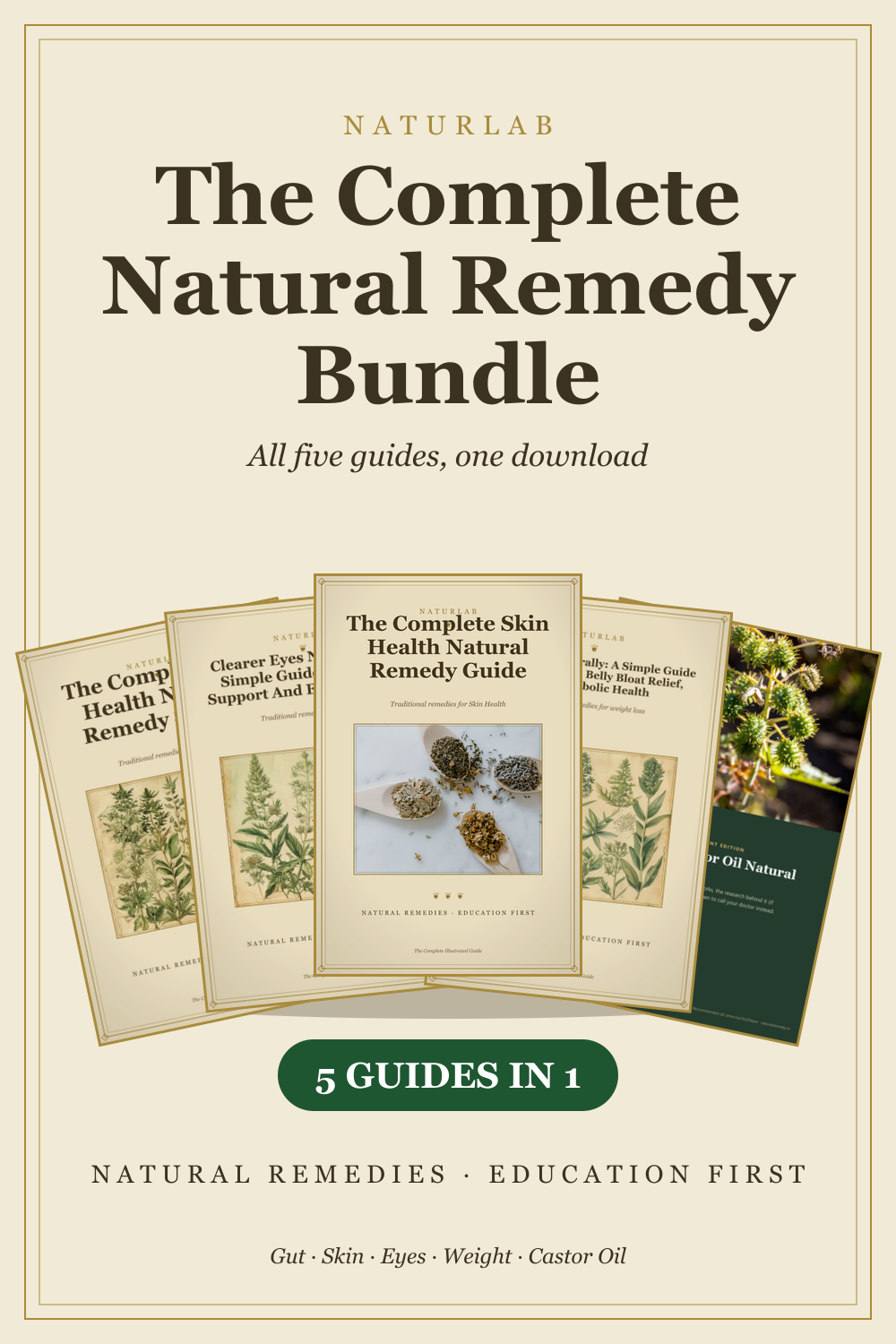
The Complete Natural Remedy Bundle: All 5 Guides
Gut, skin, eyes, weight and castor oil. Every NaturLab guide in one download, for one small price.
$63.93$9.99

The Complete Gut Health Natural Remedy System
A complete natural remedy system for Gut Health.
$29.00$10.99

Clearer Eyes Naturally: Natural Remedies For Your Eyesight
A complete natural remedy system for Vision.
$29.00$15.97