
Arthritis Pain Flare-Up Today? What to Do Right Now (and What Helps Long-Term)
Dealing with an arthritis flare today? Learn simple at-home steps for quick joint relief, plus what actually helps arthritis pain long-term.
Arthritis pain has a way of showing up at the worst times. Maybe your knee is stiff before you've even gotten out of bed, or your hands ache after a day of typing. You don't need to wait for a doctor's appointment to start feeling better. There are simple things you can do right now, using items you probably already have at home, and there are longer term habits that build real, lasting relief.

Part 1: Quick Relief You Can Try Right Now
1. Heat or cold, applied the right way
!ice pack on knee joint This is one of the fastest and most well-supported tricks for joint pain.
- Heat, like a warm towel, heating pad, or warm shower, relaxes the muscles around a joint and brings more blood flow to the area. It works well for morning stiffness or before you start moving around.
- Cold, like an ice pack or a bag of frozen peas wrapped in a towel, numbs the area and calms swelling. It tends to work best after activity or during a flare, used for about 15 to 20 minutes at a time.
Always put a cloth between the ice or heat source and your skin, and keep sessions short to avoid burns or skin damage, especially if you have reduced sensation in that area.
2. Move gently instead of staying still
It feels natural to rest a sore joint completely, but staying still for too long often makes stiffness worse. Gentle movement, like walking slowly around the house, pointing and flexing your ankles, or slowly bending and straightening your fingers, helps joint fluid circulate and can ease stiffness. Even five to ten minutes of light movement during a flare is usually better than sitting completely still, though during a severe flare it's fine to rest the specific joint briefly.
3. Try an over-the-counter topical option
If you have a topical anti-inflammatory gel in your cabinet, this can be a good quick step. Topical NSAID gels applied to the skin over a joint have been studied for knee and hand arthritis, with less impact on the stomach and kidneys than pills taken by mouth. Capsaicin cream, made from chili pepper extract, can also help with repeated use, though it causes a warming or burning feeling at first and needs several days of consistent use to build an effect. Wash your hands well after applying either one, and keep them away from your eyes.
4. A warm soak
A warm bath, with or without Epsom salt, can relax tense muscles around a joint and ease stiffness. There isn't strong evidence that magnesium from Epsom salt actually gets absorbed through the skin in meaningful amounts, so think of this as a comforting warm soak rather than a proven treatment on its own. It's low risk for most people, aside from skin irritation in sensitive skin or open wounds.
5. Over-the-counter pain relievers, used sparingly
Acetaminophen and oral NSAIDs like ibuprofen or naproxen are commonly recommended for short-term flare management. NSAIDs tend to work better for inflammation but carry risks to the stomach, kidneys, and heart with regular use, so they're better suited to occasional flares than a daily routine, especially for older adults.
6. Support the joint with a brace or sleeve
A simple compression sleeve or brace, the kind many people already own from an old sports injury, can take some pressure off an inflamed joint and offer a bit of extra stability and comfort while you move through your day.
Part 2: What Builds Lasting Relief
1. Regular low-impact movement
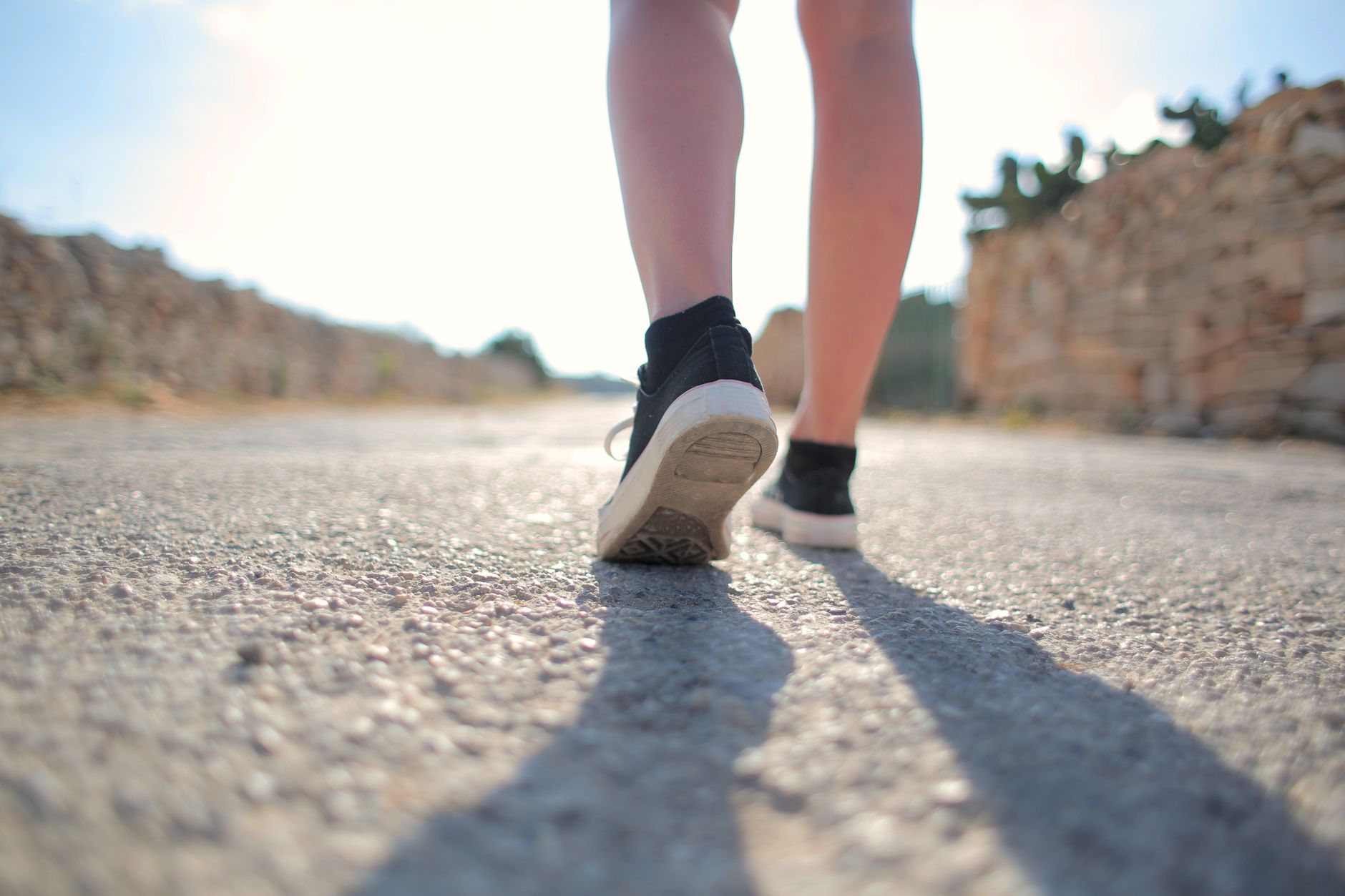
This is the single most consistent finding across joint health research. Activities like walking, swimming, cycling, and gentle strength training can reduce arthritis pain and improve function over time, often as effectively as medication for many people, while also supporting better sleep and mood. The idea is that stronger muscles around a joint, especially around the knee, take some of the load off the joint itself. Consistency matters more than intensity. Most people notice a real difference after a few weeks of steady effort, two to three sessions a week.
2. Supporting a healthy weight, if relevant to you
For knee and hip arthritis, even a modest reduction in body weight has been linked to meaningfully less pain, since every extra pound adds several pounds of pressure across the knee with each step. Small, sustainable changes to eating patterns tend to work better long term than drastic diets.
3. Anti-inflammatory foods as part of your routine
Foods rich in omega-3 fats, like fatty fish, walnuts, and flaxseed, along with colorful vegetables, fruits, and olive oil, are often grouped under the term "anti-inflammatory diet." While no single food works like a medication, building meals around these patterns over time may support overall joint comfort as part of a broader approach. For a deeper look at how arthritis develops and which foods and habits support joint health, see our guide on what causes osteoarthritis and natural ways to ease joint pain.
4. Sleep and stress management
Poor sleep and high stress can both lower your pain threshold and increase inflammation in the body. Simple habits, like a consistent bedtime, limiting screens before bed, and basic stress relief techniques, can support your joints indirectly by helping your whole body manage pain better.
5. Building a longer term toolkit
Many people find the most lasting relief comes from combining several gentle approaches rather than relying on just one. If you want a closer look at specific remedies with more detail on how and why they work, our article on natural remedies for arthritis backed by evidence walks through options you can build into a daily routine.
Arthritis symptoms can ebb and flow, and what works well during one flare might need adjusting during another. Pay attention to what your body responds to, and don't hesitate to loop in a doctor or physical therapist, especially if pain is severe, new, or paired with swelling and redness that doesn't improve with these steps.
Frequently Asked Questions
Should I use heat or ice for an arthritis flare? Heat generally works best for stiffness, especially in the morning or before activity, since it relaxes muscles and increases blood flow. Ice works best for swelling or pain after activity. Some people find alternating between the two feels best, so it's worth experimenting to see what your joints respond to.
Is it okay to exercise during a flare-up? Gentle, low-impact movement is usually encouraged even during a flare, since it helps keep joint fluid moving and prevents stiffness from building up. The key is to keep movements slow and pain-free rather than pushing through sharp pain, and to rest the specific joint briefly if a flare is severe.
Does Epsom salt actually help arthritis pain? The warm water itself likely helps more than the magnesium in the salt, since there's limited evidence that meaningful amounts of magnesium are absorbed through the skin. Still, a warm soak is relaxing and low risk, so there's no harm in including it as part of your routine.
How long does it take to see results from exercise or diet changes? Most research on exercise programs for joint pain shows noticeable improvement after about eight to twelve weeks of consistent effort, usually two to three sessions a week. Diet changes tend to work more gradually and are best viewed as a long-term support rather than a quick fix.
When should I see a doctor instead of managing a flare at home? If a joint becomes very swollen, red, hot to the touch, or if pain is severe and sudden, it's worth getting checked, since this can sometimes signal infection or a different underlying issue. It's also worth seeking medical advice if over-the-counter options and home care aren't helping after a few days, or if flares are becoming more frequent.
Sources
- Cryotherapy and thermotherapy in the management of osteoarthritis and rheumatoid arthritis: A comprehensive review - PMC
- Data Insights on the Risks of Local Heat and Massage in Gouty Arthritis Treatment - PubMed
- The influence of heat and cold on the pain threshold in rheumatoid arthritis - PubMed
- Treating arthritis with locally applied heat or cold - PubMed
Ready to put this into practice?
More on Natural Remedy For Arthritis
Related articles you may find helpful.
What Causes Osteoarthritis and Natural Ways to Ease Joint Pain
Natural remedies for osteoarthritis knee pain: learn what drives joint wear and inflammation, and which food, movement, and supplement changes may help.
Read more →6 Natural Remedies for Arthritis That Are Backed by Evidence
Discover natural remedies for arthritis, from omega-3s to gentle movement, that are backed by real research and may help ease joint pain and stiffness.
Read more →Our best sellers
Practical, science-backed resources our readers love.
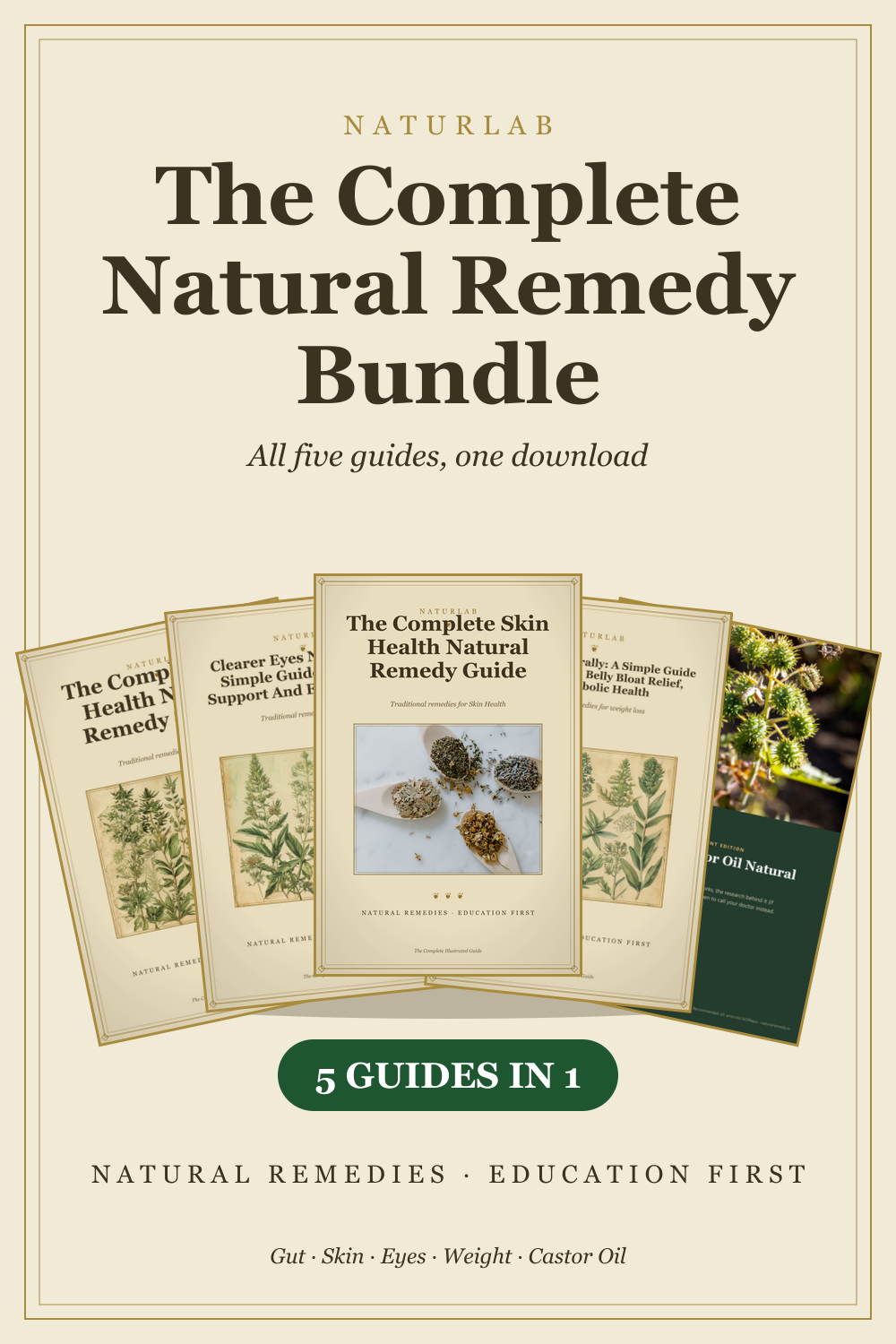
The Complete Natural Remedy Bundle: All 5 Guides
Gut, skin, eyes, weight and castor oil. Every NaturLab guide in one download, for one small price.
$63.93$9.99
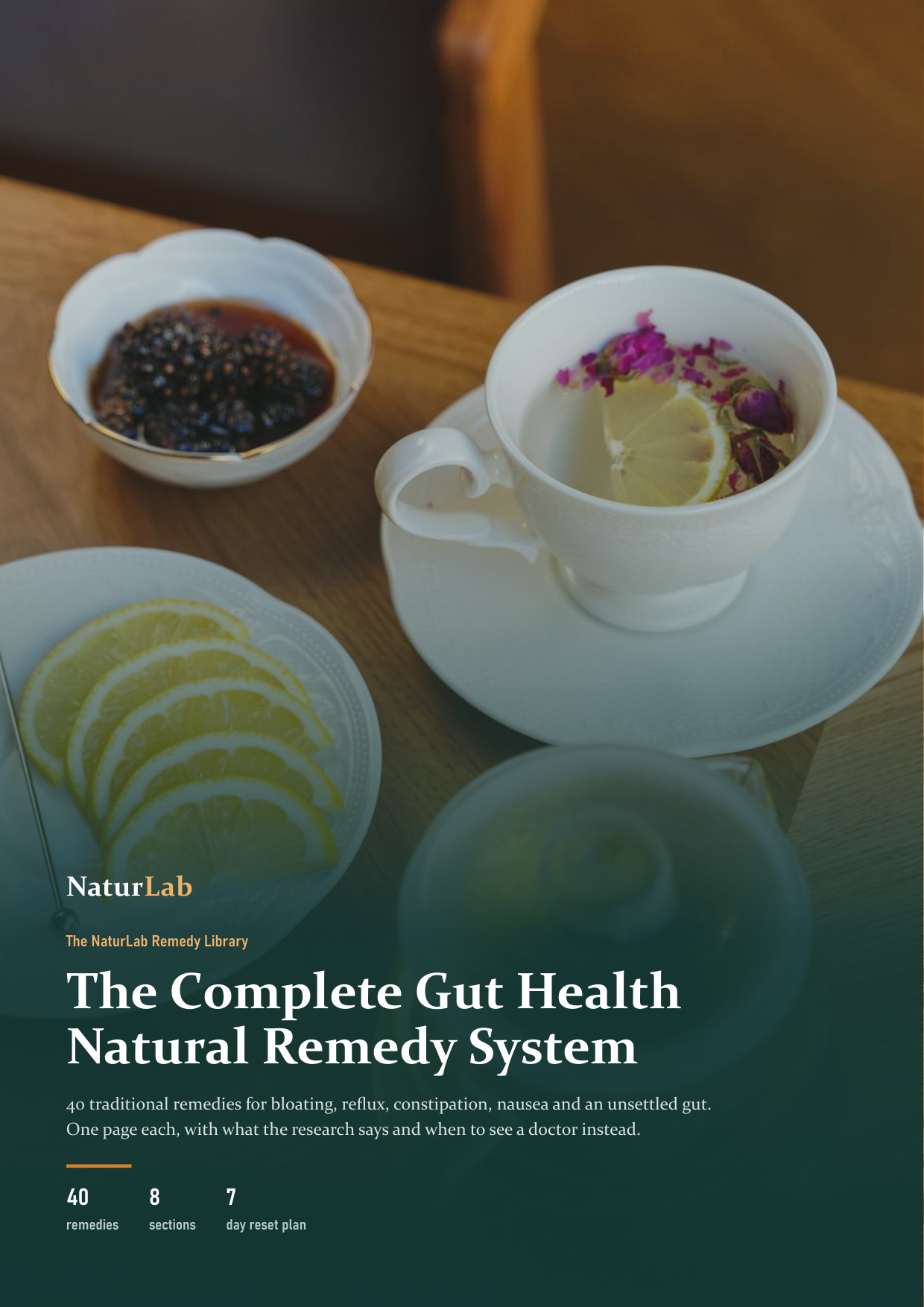
The Complete Gut Health Natural Remedy System
A complete natural remedy system for Gut Health.
$29.00$10.99

Clearer Eyes Naturally: Natural Remedies For Your Eyesight
A complete natural remedy system for Vision.
$29.00$15.97