
What Causes Osteoarthritis and Natural Ways to Ease Joint Pain
Natural remedies for osteoarthritis knee pain: learn what drives joint wear and inflammation, and which food, movement, and supplement changes may help.
Arthritis isn't one single disease. It's a broad term for more than 100 conditions that cause joint pain and swelling. The two most common types are osteoarthritis, which is often described as a wear and repair problem, and rheumatoid arthritis, which is an autoimmune condition. Because the causes are different, the natural approaches that help are different too. This post focuses mainly on osteoarthritis, since it's by far the more common type, especially in the knees, hips, and hands.

What is actually happening inside the joint
Osteoarthritis isn't just a joint wearing out like an old tire. It's a whole-joint condition. Cartilage breakdown starts to outpace the body's ability to repair it, the bone underneath begins to remodel, and the joint lining develops a low level of inflammation. Several things can push this process along.
Mechanical overload. Old injuries, joint misalignment, or years of repetitive stress on a joint can speed up cartilage wear in that specific spot.
Extra body weight. Weight-bearing joints like the knees and hips carry more load with every extra pound. Fat tissue also releases chemical signals that can add to inflammation throughout the body, not just at the joint.
Weak muscles around the joint. When the muscles that support a joint, like the quadriceps around the knee, are weak, the joint itself absorbs more of the shock from everyday movement.
Age-related changes. As we get older, cartilage cells become slower to repair themselves, so small amounts of daily wear add up more visibly over time.
Genetics. A family history of arthritis, particularly in the hands or hips, raises the likelihood of developing it yourself.
None of these causes are things to feel discouraged about. Most of them respond, at least partly, to changes you can make.
Natural approaches that match each cause

1. Movement and strength training
This is the approach with the most consistent research behind it. Structured exercise, especially strengthening the muscles around a joint and adding gentle low-impact aerobic activity, has been shown across many studies to reduce knee pain and improve daily function. It works because it directly targets the muscle-weakness and joint-loading causes described above. Walking, swimming, cycling, and supervised strength routines two to three times a week are commonly recommended starting points. If you're newer to exercising with joint pain, our guide on 6 natural remedies for arthritis that are backed by evidence walks through gentle ways to start moving safely.
2. Gradual weight management
For people carrying extra weight, even a modest reduction can make a real difference. Losing weight lightens the load on weight-bearing joints with every single step, and it can also lower the background level of inflammation in the body. Research combining weight loss with exercise tends to show better results than either approach alone, so the two work well together rather than as separate strategies.
3. Anti-inflammatory eating patterns
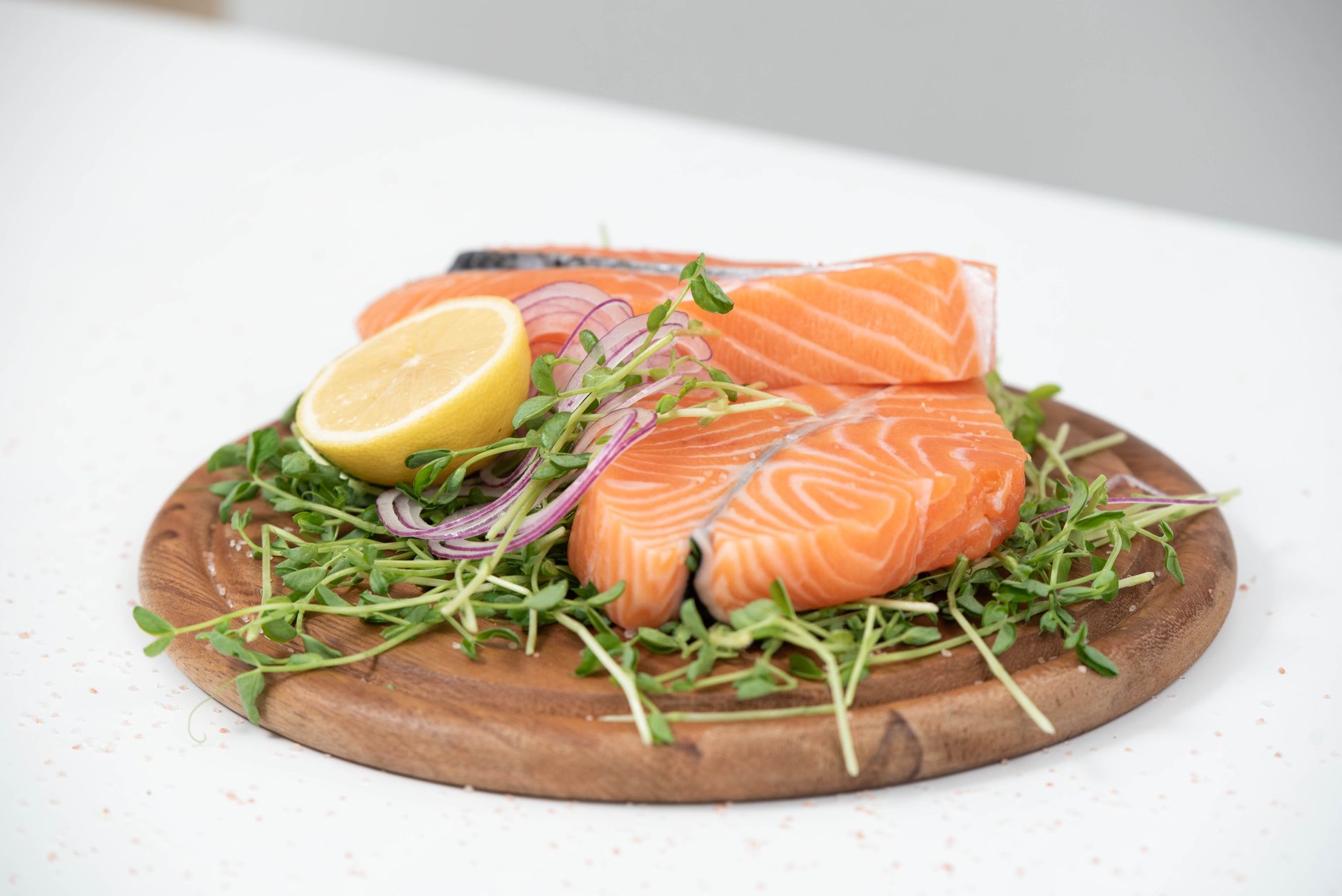
What you eat doesn't reverse joint damage, but certain foods may help calm the background inflammation that makes joints feel worse. Fatty fish like salmon and sardines, olive oil, leafy greens, and berries are commonly highlighted in this kind of eating pattern. Interestingly, the same inflammatory pathways that affect joints also show up in other conditions, our piece on hormonal acne and natural ways to help covers how diet-driven inflammation plays a role there too, which gives a sense of how connected these processes can be throughout the body.
4. Omega-3 fatty acids
Fish oil supplements, providing roughly 1 to 3 grams a day of combined EPA and DHA, have shown modest pain-reducing effects in some studies, likely by lowering inflammatory signals. The evidence is a bit stronger for rheumatoid arthritis than osteoarthritis, but many people still find it a reasonable, low-risk addition. It's worth checking with a doctor first if you take blood thinners, since fish oil can increase bleeding risk at higher doses.
5. Curcumin extract
Standardized curcumin extracts, not plain cooking turmeric, have shown pain and function improvements in several trials that are roughly comparable to low-dose over-the-counter pain relievers over a few weeks of use. Doses studied are typically 500 to 1500 mg a day, often paired with black pepper extract to improve absorption. Curcumin can interact with blood thinners and may cause stomach upset in some people, so starting with a lower dose is sensible.
6. Stress management
Chronic stress raises cortisol and other stress hormones, which over time can add to the body's inflammatory load, including around already-sensitive joints. This doesn't mean stress causes arthritis, but managing it may take some pressure off. If work stress or general anxiety is a big part of your daily life, our article on easing everyday anxiety has some practical, low-effort techniques that can fit alongside joint care.
Bringing it together
No single change will erase joint pain, but movement, weight management, an anti-inflammatory eating pattern, and a few well-studied supplements each chip away at a different piece of what's driving the discomfort. Combining a few of them tends to work better than relying on just one.
Frequently Asked Questions
Can natural remedies actually reverse arthritis damage? No. Natural approaches can help manage pain, stiffness, and inflammation, but they don't regrow lost cartilage or reverse existing joint damage. Think of them as support for comfort and function rather than a cure.
How long does it take to notice a difference from exercise or diet changes? Most studies on exercise programs show measurable improvements in pain and function after about six to twelve weeks of consistent effort. Dietary changes and supplements like curcumin often take a similar amount of time before effects become noticeable.
Is walking bad for arthritic knees? Generally no. Low-impact walking is usually recommended for knee osteoarthritis because it strengthens supporting muscles without adding excessive joint stress. Starting slowly and using supportive footwear can help make it more comfortable.
Should I try glucosamine and chondroitin? Research on these supplements is mixed. Some people with moderate to severe pain report benefit, while larger trials have found little difference compared to placebo overall. It's reasonable to try for a few months and track your own symptoms before deciding if it's worth continuing.
Does weather really affect arthritis pain? Many people report more stiffness in cold or damp weather, though the scientific evidence for a direct link is still inconsistent. Staying warm and keeping joints moving during weather changes seems to help regardless of the underlying mechanism.
Sources
- Breaking Down Osteoarthritis: Exploring Inflammatory and Mechanical Signaling Pathways
- A multiscale modeling approach to study the role of mechanics and inflammation in pathophysiology of articular cartilage
- Role of inflammation in the pathogenesis of osteoarthritis: latest findings and interpretations - PMC
- Pathophysiological Perspective of Osteoarthritis
Ready to put this into practice?
More on Natural Remedy For Arthritis
Related articles you may find helpful.
Our best sellers
Practical, science-backed resources our readers love.
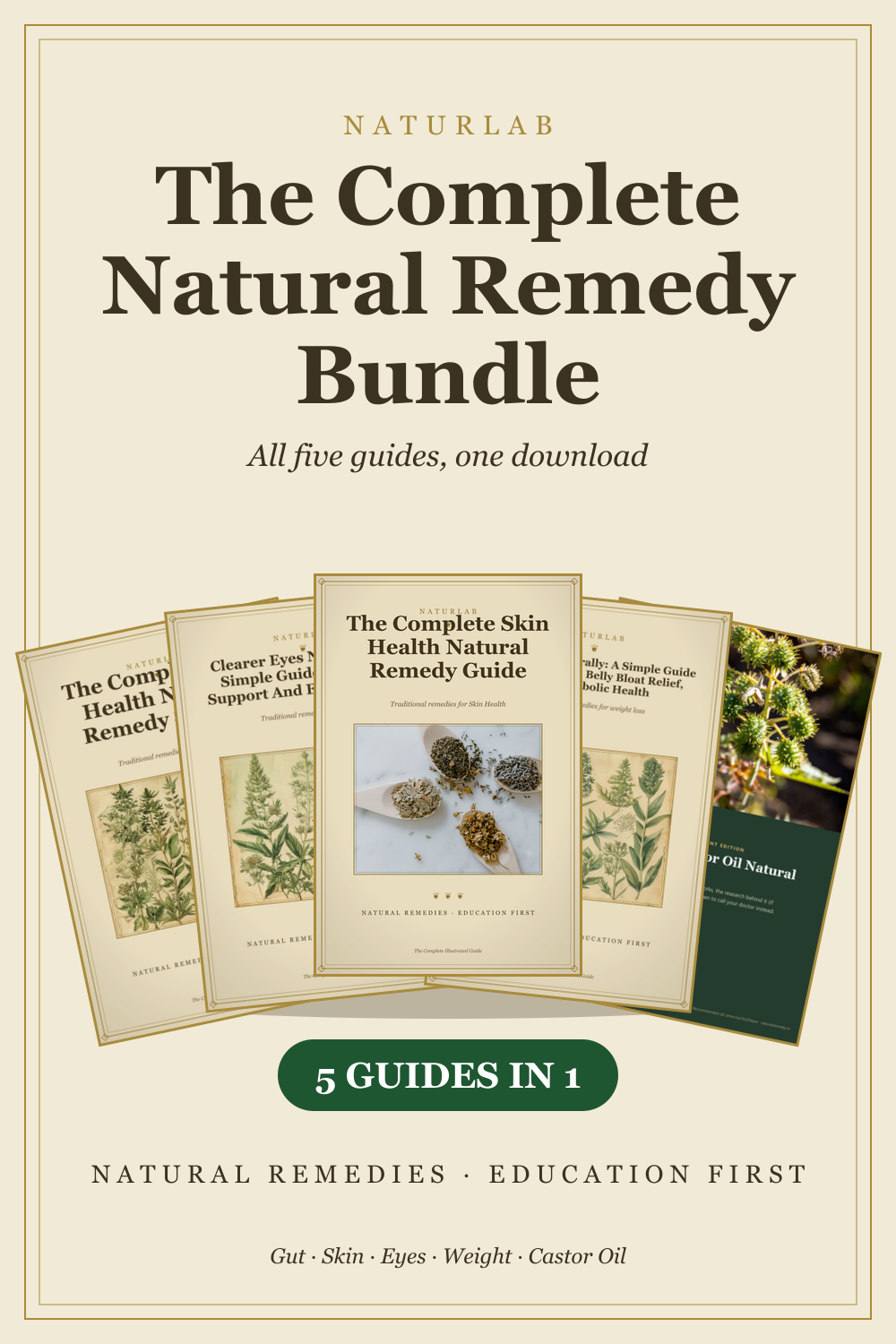
The Complete Natural Remedy Bundle: All 5 Guides
Gut, skin, eyes, weight and castor oil. Every NaturLab guide in one download, for one small price.
$63.93$9.99

The Complete Gut Health Natural Remedy System
A complete natural remedy system for Gut Health.
$29.00$10.99

Clearer Eyes Naturally: Natural Remedies For Your Eyesight
A complete natural remedy system for Vision.
$29.00$15.97