
What Causes Postpartum Hair Shedding and Natural Ways to Help
Postpartum hair shedding has clear hormonal causes. Learn what triggers it and natural ways to support regrowth after having a baby.
Many new mothers notice handfuls of hair coming out in the shower or on the pillow a few months after giving birth. It can feel alarming, but this type of shedding is common, temporary, and has a well understood cause. Understanding why it happens makes it much easier to know which natural steps actually help and which ones are just noise.
Why Postpartum Hair Sheds
During pregnancy, rising estrogen levels push more hair follicles into a longer growth phase than usual. This is why many women notice fuller, thicker hair while pregnant. After delivery, estrogen drops quickly, and all those follicles that were held in growth phase shift into the resting and shedding phase at once. This is called telogen effluvium, and it usually shows up around two to four months after birth.
A few other factors can make the shedding feel more intense:
- Sleep deprivation and stress raise cortisol, which can push even more follicles into shedding mode.
- Iron and other nutrient stores are often depleted after pregnancy and breastfeeding, and low iron is closely tied to hair thinning.
- Rapid weight changes around childbirth can also temporarily disrupt the hair growth cycle.
The good news is that this type of hair loss is almost always temporary. Most women see shedding slow down and regrowth begin by around six to twelve months postpartum, once hormone levels stabilize.
Natural Approaches That Address the Root Causes
Because postpartum shedding is driven by hormones, stress, and nutrient depletion, the most useful natural steps target those same three areas rather than trying to force hair to grow faster than it naturally can.
1. Check and correct iron and vitamin D levels
Low iron and low vitamin D are two of the most common, correctable contributors to postpartum hair thinning. A simple blood test from your doctor can confirm whether levels are low. If they are, eating more iron rich foods like lentils, spinach, and lean red meat, paired with a source of vitamin C to help absorption, can make a real difference over a few months.
2. Support protein and overall nutrition
Hair is made mostly of a protein called keratin, and the body deprioritizes hair growth when overall nutrition is tight, which is common while recovering from birth and breastfeeding. Aiming for a steady intake of protein through eggs, fish, beans, and dairy throughout the day gives the body the raw material it needs for new growth. This is one of the simplest and most consistent findings across hair health research.
3. Gentle scalp care and massage

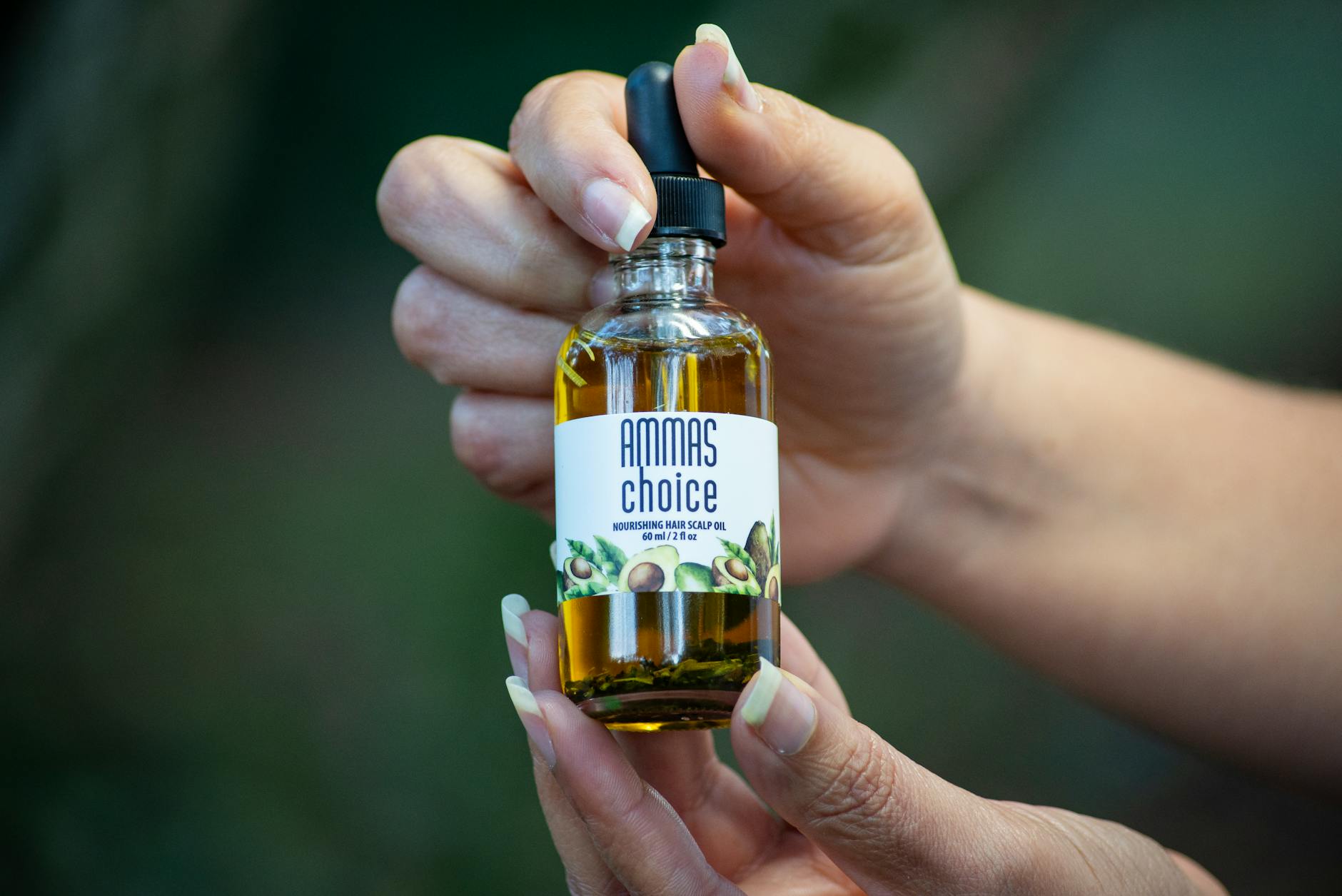
Massaging the scalp for a few minutes daily may modestly increase blood flow to hair follicles, which can support the growth phase of the hair cycle. It is low risk, easy to fit into a daily routine, and pairs well with a light, non-comedogenic oil if you prefer added slip. For more detail on scalp routines and gentle care during thinning phases, see our guide on natural remedies for hair loss in early thinning.
4. Manage stress where you can
Since cortisol can worsen shedding, small steps toward stress reduction can genuinely help, even if it feels like a low priority with a newborn at home. Short walks outside, asking for help with night feeds when possible, and even five minutes of quiet breathing can lower overall stress load. This will not stop shedding caused by hormones, but it can prevent additional shedding stacked on top of it.
5. Be gentle with styling and washing habits
During a shedding phase, hair is more fragile, and tight hairstyles, harsh brushing, and high heat styling can pull out hairs that might otherwise have stayed a bit longer. Using a wide tooth comb, loose hairstyles, and lower heat settings reduces unnecessary breakage while the natural cycle runs its course.
6. Be patient with the timeline
Hair grows in cycles, and it takes months, not weeks, to see visible improvement after starting any change. Tracking photos every four to six weeks can help you notice real progress that is easy to miss day to day. If shedding is still heavy or bald patches appear after a year, it is worth checking with a doctor to rule out thyroid issues or other causes, since postpartum shedding should be diffuse rather than patchy.
If your scalp also feels itchy, flaky, or irritated during this time, it is worth reading about what causes dandruff and flaky scalp, since scalp health and hair health are closely connected.
Frequently Asked Questions
How long does postpartum hair shedding usually last? Most women notice shedding start around two to four months after birth and taper off by six to twelve months, as hormone levels return to their pre-pregnancy pattern. Full regrowth of visible thickness can take up to eighteen months in some cases.
Will postpartum hair loss cause permanent bald spots? Typically no. Postpartum shedding is diffuse, meaning it happens evenly across the scalp rather than in one patch, and follicles usually resume normal growth on their own. Patchy or localized bald spots are less typical and worth mentioning to a doctor.
Do biotin supplements help with postpartum hair loss? Biotin deficiency is rare, and there is limited evidence that biotin supplements help hair growth unless you are actually deficient. Correcting iron, vitamin D, and overall protein intake tends to have a bigger, better supported impact.
Is it safe to use scalp treatments while breastfeeding? Gentle options like scalp massage and basic carrier oils are generally considered safe, but any topical treatment containing active drug ingredients should be checked with your doctor first, since some can pass into breast milk. When in doubt, stick to nutrition and gentle care rather than medicated products.
Can stress alone cause postpartum hair loss? Stress is usually a contributing factor rather than the main cause, since the hormonal shift after birth is the primary driver. However, high stress and poor sleep can intensify shedding on top of the hormonal changes, so managing stress where possible is still worthwhile.
Sources
- Rosmagain™ as a Natural Therapeutic for Hair Regrowth and Scalp Health: A Double-Blind, Randomized, Three-Armed, Placebo-Controlled Clinical Trial - PMC
- Rosemary oil vs minoxidil 2% for the treatment of androgenetic alopecia: a randomized comparative trial - PubMed
- Rosmagain™ as a Natural Therapeutic for Hair Regrowth and Scalp Health: A Double-Blind, Randomized, Three-Armed, Placebo-Controlled Clinical Trial
- Bicalutamide 25 mg combined with minoxidil 1 mg versus minoxidil 1 mg for female pattern hair loss: A randomized double-blind clinical trial
Ready to put this into practice?
More on Natural Remedy For Hair Loss
Related articles you may find helpful.
Our best sellers
Practical, science-backed resources our readers love.
The Complete Natural Remedy Bundle: All 5 Guides
Gut, skin, eyes, weight and castor oil. Every NaturLab guide in one download, for one small price.
$63.93$9.99
The Complete Gut Health Natural Remedy System
A complete natural remedy system for Gut Health.
$29.00$10.99
Clearer Eyes Naturally: Natural Remedies For Your Eyesight
A complete natural remedy system for Vision.
$29.00$15.97