
Natural Remedies for Hair Loss in Early Thinning: 5 Science-Backed Options
Explore natural remedies for hair loss in early thinning stages, from rosemary oil to pumpkin seed oil, backed by real clinical research.
Noticing more hair on your brush or a wider part than usual can be unsettling. The good news is that early thinning, especially the kind linked to androgenetic alopecia (commonly called pattern hair loss), responds better to intervention than hair loss caught late. Before follicles are permanently dormant, several natural approaches have shown real, measurable effects in clinical studies. None of these are cures, and results vary from person to person, but they're worth understanding if you're looking for gentler first steps.

Why Early Intervention Matters
Hair follicles affected by pattern hair loss shrink gradually over years, in a process called miniaturization. Early on, follicles are still alive and can respond to treatments that improve blood flow, reduce inflammation, or block the hormone DHT (dihydrotestosterone), which is largely responsible for shrinking follicles in genetically susceptible people. This is why dermatologists often say the earlier you act, the more options you have.
1. Rosemary Oil

Rosemary oil is thought to improve microcirculation to hair follicles and has mild anti-inflammatory properties. Some researchers believe it works on a similar pathway to minoxidil, a common over-the-counter treatment, by helping dilate small blood vessels in the scalp.
A widely cited six-month trial compared rosemary oil to 2% minoxidil in men with androgenetic alopecia. Both groups saw a similar increase in hair count, but the rosemary oil group reported noticeably less scalp itching. That said, this was one study, so it's promising rather than proven at scale.
To use it, dilute rosemary essential oil in a carrier oil like jojoba or coconut oil (never apply it undiluted) and massage it into the scalp a few times a week.
2. Pumpkin Seed Oil
Pumpkin seed oil contains phytosterols, plant compounds believed to inhibit 5-alpha-reductase, the enzyme that converts testosterone into DHT. Less DHT reaching the follicle may mean less miniaturization over time.
In a placebo-controlled trial, men with mild to moderate hair loss took 400mg of pumpkin seed oil daily for 24 weeks. The supplement group showed a significantly greater increase in hair count than the placebo group. It's worth noting this was a small study limited to men, with no long-term follow-up beyond six months.
This remedy works as an oral supplement, not from simply eating pumpkin seeds, since the concentrated extract is what was studied.
3. Saw Palmetto
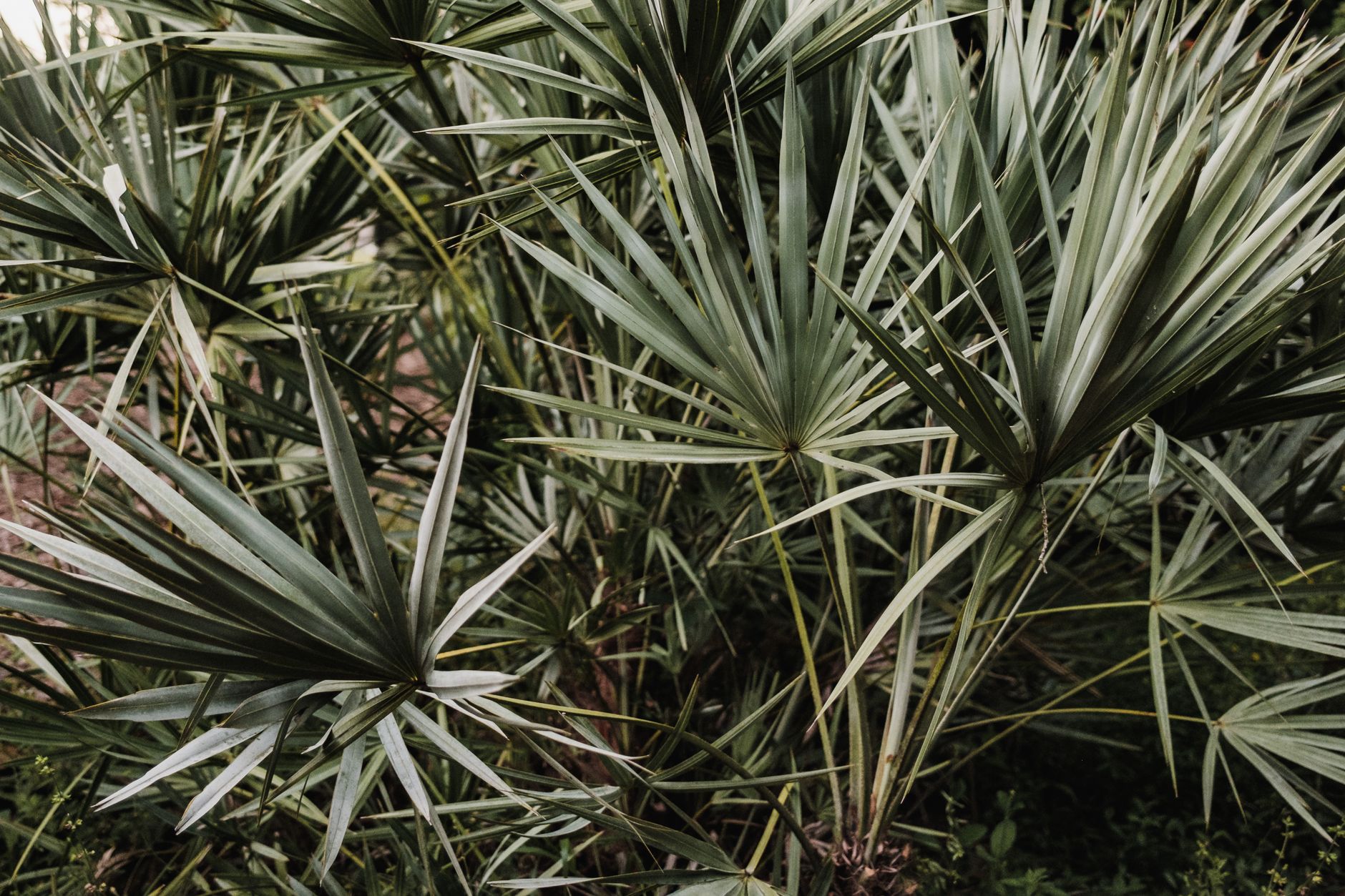
Saw palmetto is another natural compound believed to act as a mild DHT-blocker, working on a similar hormonal pathway to prescription finasteride, though considerably weaker in effect.
Several small trials and reviews report modest improvements in hair density and thickness with saw palmetto, whether taken orally or applied topically. Reviewers are consistent in noting that the overall evidence quality is still low, with small sample sizes and inconsistent dosing across studies, so it should be viewed as a gentle supportive option rather than a primary treatment.
Common doses used in research range from 200 to 320mg per day of extract, though you should always check with a doctor before starting any new supplement, especially if you take other medications.
4. Scalp Massage
Simple, consistent scalp massage may sound too basic to matter, but a small study found that daily massage sessions over several months were associated with increased hair thickness. The theory is that mechanical stimulation may stretch follicle cells in a way that encourages a shift toward the active growth phase.
It costs nothing, carries essentially no risk, and pairs well with the oils above. Just a few minutes a day, using fingertips rather than nails, is enough to try.
5. Diet and Micronutrient Support
Hair follicles are metabolically active tissue, and deficiencies in iron, zinc, vitamin D, and protein have all been linked to increased shedding. This doesn't mean supplements will regrow hair in someone who isn't deficient, but correcting a genuine deficiency can meaningfully slow or reverse diet-related thinning.
If you suspect a nutritional gap, a simple blood panel from your doctor is the most reliable way to find out, rather than guessing with supplements. Whole foods rich in these nutrients, like leafy greens, eggs, and legumes, are a reasonable first step while you wait on results.
Building a Realistic Routine
Many people combine two or three of these approaches, since they work through different mechanisms (circulation, hormones, and nutrition). Give any new routine at least three to six months before judging results, since hair growth cycles are slow. And if thinning is rapid, patchy, or accompanied by scalp irritation, it's worth seeing a doctor to rule out other causes, the same way you'd check in with a professional for something like ear infections or persistent skin conditions rather than relying on home care alone.
Frequently Asked Questions
How soon can I expect to see results from natural hair loss remedies? Most hair growth studies run for at least three to six months, since hair follicles cycle slowly. Expect to wait at least that long before judging whether something is working, and don't be discouraged by a lack of visible change in the first few weeks.
Can I combine rosemary oil and pumpkin seed oil? There's no known interaction between the two, and they work through different mechanisms, one topical and circulatory, one oral and hormonal. Many people use them together, though it's still wise to introduce one at a time so you can notice how your scalp responds.
Is early thinning always genetic? Not always. While androgenetic alopecia is the most common cause, thinning can also stem from stress, thyroid issues, nutritional deficiencies, or postpartum hormonal shifts. If shedding is sudden or severe, a doctor can help identify the underlying cause.
Are natural remedies as effective as prescription treatments like minoxidil or finasteride? Some, like rosemary oil, have shown comparable results to minoxidil in limited studies, but the research base is much smaller than for approved medications. Natural options are reasonable to try, especially for mild or early thinning, but they shouldn't replace medical advice for more advanced hair loss.
Does stress really cause hair loss? Yes, significant physical or emotional stress can push hair follicles into a resting phase, leading to noticeable shedding a few months later, a condition called telogen effluvium. This type of shedding is usually temporary and improves once the stressor resolves.
Do I need to see a dermatologist before trying these remedies? It's not strictly necessary for mild, early thinning, but a dermatologist can confirm the cause and rule out other conditions, which saves time if a remedy isn't a good fit. This is especially worthwhile if thinning is rapid, patchy, or accompanied by scalp pain or redness.
Sources
- Rosmagain™ as a Natural Therapeutic for Hair Regrowth and Scalp Health: A Double-Blind, Randomized, Three-Armed, Placebo-Controlled Clinical Trial
- Rosmagain™ as a Natural Therapeutic for Hair Regrowth and Scalp Health: A Double-Blind, Randomized, Three-Armed, Placebo-Controlled Clinical Trial - PMC
- Rosemary oil vs minoxidil 2% for the treatment of androgenetic alopecia: a randomized comparative trial - PubMed
- Botanical drug preparations for alleviating hair loss in menopausal women: a global ethnopharmacological mini-review
Ready to put this into practice?
More on Natural Remedy For Hair Loss
Related articles you may find helpful.
Our best sellers
Practical, science-backed resources our readers love.

The Complete Natural Remedy Bundle: All 5 Guides
Gut, skin, eyes, weight and castor oil. Every NaturLab guide in one download, for one small price.
$63.93$9.99

The Complete Gut Health Natural Remedy System
A complete natural remedy system for Gut Health.
$29.00$10.99

Clearer Eyes Naturally: Natural Remedies For Your Eyesight
A complete natural remedy system for Vision.
$29.00$15.97