
What Causes Dandruff and Flaky Scalp, and Natural Ways to Ease It
Learn what causes dandruff and flaky scalp, then explore gentle natural remedies for flaky scalp that target each cause without harsh treatments.
Dandruff is one of those conditions that feels more embarrassing than serious, but understanding why it happens can take a lot of the frustration out of dealing with it. The flakes on your shoulders are not a sign of poor hygiene. They are usually a sign that your scalp's natural balance has been thrown off in one of a few specific ways. Once you know which cause is behind your flaking, it becomes much easier to choose a natural approach that actually helps.
What Actually Causes Dandruff
Dandruff happens when the skin cells on your scalp turn over faster than normal and clump together with oil, forming visible flakes. A few things commonly drive this process.
The most well known cause is an overgrowth of a yeast called Malassezia, which lives on everyone's scalp but can multiply more than usual in people with oilier skin. This yeast feeds on scalp oils and its byproducts can irritate the skin, speeding up cell turnover and causing flaking and itch.
A dry, irritated scalp is another common cause, especially in colder months or after using harsh shampoos that strip natural oils. This type of dandruff tends to produce smaller, drier flakes compared to the oilier, yellowish flakes linked to yeast overgrowth.
Some people are simply more sensitive to hair and skin care products. Sulfates, fragrances, or alcohol-based styling products can irritate the scalp barrier and trigger flaking, even without any yeast involvement.
Stress and diet can also play a supporting role. Stress does not cause dandruff on its own, but it can worsen inflammation and oil production, making existing dandruff more noticeable. A diet low in certain nutrients, like zinc or B vitamins, has also been linked to scalp issues in some people.
Natural Approaches That Match Each Cause

Because dandruff can come from different sources, the most effective natural care usually means matching the remedy to the likely cause rather than trying one fix for everything.
1. For yeast overgrowth: antifungal-supporting rinses
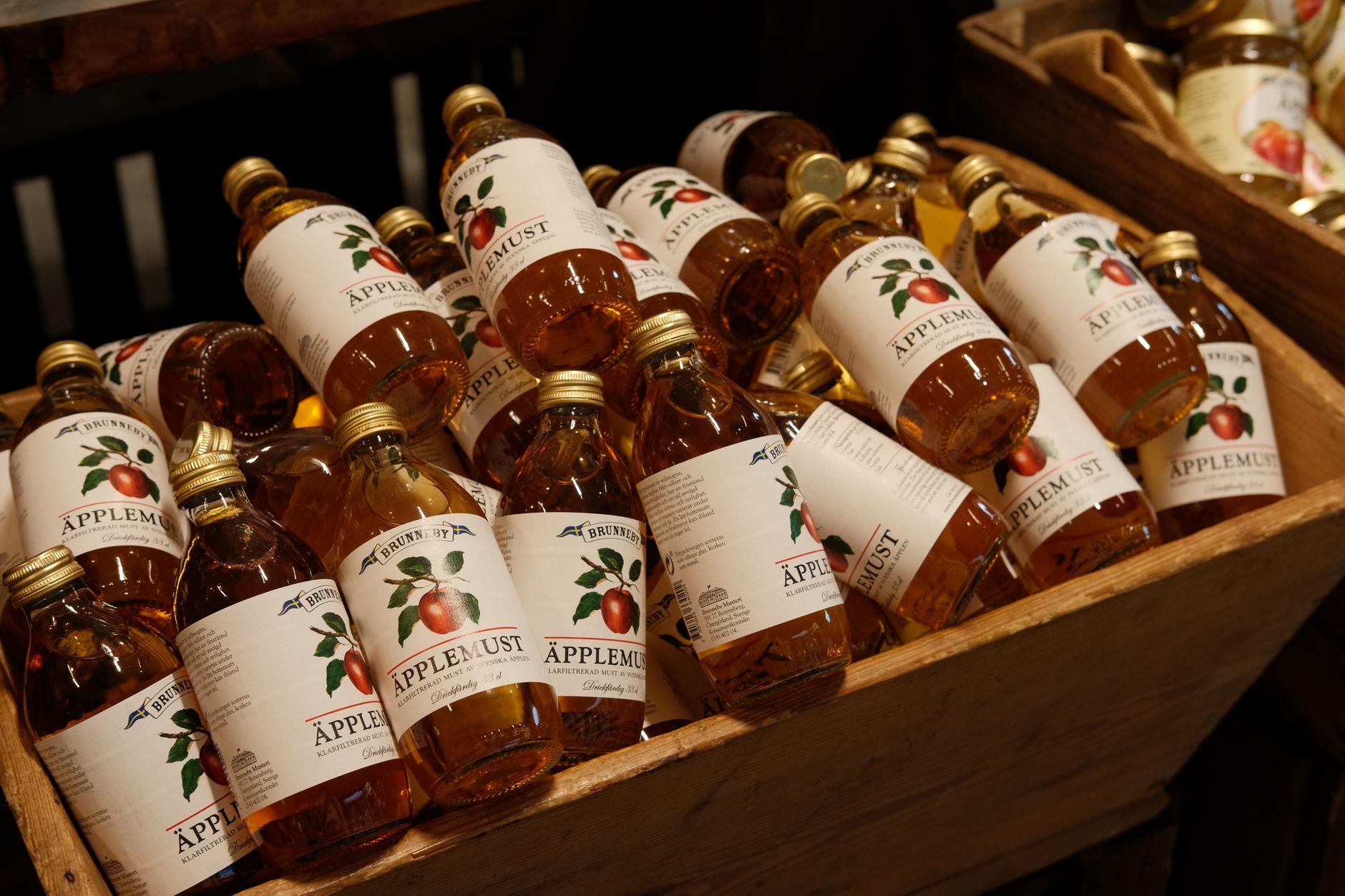
Apple cider vinegar rinses are a traditional remedy that may help by mildly changing the scalp's pH, making it less hospitable to yeast overgrowth. Diluting one part vinegar with two to three parts water and applying it after shampooing, then rinsing after a few minutes, is a common approach. Tea tree oil, well diluted in a carrier oil, is another traditional option people use for its natural antifungal properties, though it should always be patch tested first since it can irritate sensitive skin.
2. For dryness: gentle oiling and moisture
If your flakes are small, dry, and accompanied by tightness rather than oiliness, the scalp may simply need more moisture. Coconut oil or a light application of jojoba oil, massaged in and left for twenty to thirty minutes before washing, can help soften flakes and reduce dryness without clogging pores the way heavier products might.
3. For product sensitivity: simplifying your routine
If you suspect your shampoo or styling products are the trigger, switching to a gentle, fragrance-free shampoo and cutting back on heat styling for a few weeks can make a noticeable difference. Introducing one product at a time afterward makes it easier to spot what your scalp does not tolerate well.
4. For inflammation: soothing plant-based rinses
Aloe vera gel, applied directly to the scalp before washing, has a long history of use for calming irritated skin. Its cooling, soothing qualities may help reduce the itch that often comes with dandruff, making it easier to avoid scratching, which can worsen flaking.
5. For overall scalp health: diet and stress support
Eating a diet with enough zinc, omega-3 fats, and B vitamins supports healthy skin turnover throughout the body, including the scalp. Managing stress through regular sleep, movement, or simple breathing practices will not eliminate dandruff on its own, but it can reduce the flare-ups that stress tends to trigger.
For a deeper look at specific remedies and how they are used, our guide to 7 natural remedies for dandruff backed by science walks through practical routines step by step.
When to Give a Remedy Time to Work

Natural remedies for flaky scalp generally need consistency rather than intensity. Most people notice gradual improvement over two to four weeks of regular use, not overnight. If you are also dealing with other health changes around this time, such as changes in digestion, it is worth remembering that overall body balance, including things covered in our piece on constipation after 60, can sometimes reflect broader lifestyle factors worth addressing together.
If your scalp remains red, painful, or the flaking does not improve after a few weeks of consistent gentle care, it is worth checking in with a doctor or dermatologist, since some scalp conditions look like dandruff but need different treatment.
Frequently Asked Questions
Is dandruff caused by poor hygiene? No. Dandruff is usually caused by yeast overgrowth, dryness, or product sensitivity rather than a lack of washing. In fact, washing too often with harsh shampoo can sometimes make dryness related dandruff worse.
Can diet alone fix dandruff? Diet plays a supporting role rather than a complete fix. Getting enough zinc, omega-3 fats, and B vitamins supports healthy skin, but most people also need to address the scalp directly with rinses or gentler products.
How long does it take for natural remedies to show results? Most natural approaches take two to four weeks of consistent use before you notice a real difference. Flaking that has built up over months will not clear in a single treatment.
Should I use tea tree oil directly on my scalp? No, tea tree oil should always be diluted in a carrier oil before use, since it is strong enough to irritate skin on its own. A patch test on your arm beforehand can help confirm it does not cause a reaction.
Can stress really make dandruff worse? Stress does not create dandruff by itself, but it can increase oil production and inflammation, which can make existing dandruff flare more noticeably. Managing stress is a helpful supporting step alongside direct scalp care.
Is oily or dry dandruff treated differently? Yes. Oily, yellowish flakes often respond better to antifungal rinses like diluted apple cider vinegar, while dry, small flakes usually need more moisture, such as gentle oiling with coconut or jojoba oil.
Sources
Ready to put this into practice?
More on Natural Remedy For Dandruff
Related articles you may find helpful.
Our best sellers
Practical, science-backed resources our readers love.
The Complete Natural Remedy Bundle: All 5 Guides
Gut, skin, eyes, weight and castor oil. Every NaturLab guide in one download, for one small price.
$63.93$9.99
The Complete Gut Health Natural Remedy System
A complete natural remedy system for Gut Health.
$29.00$10.99
Clearer Eyes Naturally: Natural Remedies For Your Eyesight
A complete natural remedy system for Vision.
$29.00$15.97