
What Causes High Blood Pressure at Rest and Natural Ways to Support It
Learn what causes high blood pressure at rest and explore natural, science-backed ways to support healthy numbers through diet, movement, and calm routines.
High blood pressure, or hypertension, rarely comes from one single cause. It usually builds up slowly from a mix of daily habits, body processes, and sometimes genetics. The good news is that many of these contributing factors can be softened with natural, consistent changes. This post walks through what actually drives blood pressure up at rest, and the everyday approaches that address each cause directly.
Why Blood Pressure Rises in the First Place
Blood pressure is the force of blood pushing against your artery walls. When that force stays high even while you are resting, it puts extra strain on your heart and blood vessels over time. A few things commonly push resting blood pressure upward:
- Too much sodium and not enough potassium in the diet
- Excess body weight, especially around the midsection
- Low physical activity
- Chronic stress and poor sleep
- Alcohol intake above moderate levels
- Stiffening of the arteries with age
- Family history and genetics
None of these causes are anyone's fault, and most people have more than one at play. Understanding which ones apply to you can help you choose the natural approaches that will actually make a difference.
Cause: Too Much Sodium, Too Little Potassium
Sodium encourages your body to hold onto extra fluid, which raises the volume of blood your heart has to push around. Potassium works in the opposite direction, helping your kidneys release excess sodium and relaxing blood vessel walls.
What helps
- Cut back on processed and packaged foods, which are the biggest source of sodium for most people, far more than the salt shaker at home.
- Add more potassium-rich foods like bananas, leafy greens, beans, and sweet potatoes.
- Try the DASH style of eating, which emphasizes vegetables, fruit, whole grains, and low-fat dairy, and has strong research behind it for lowering blood pressure.
Cause: Extra Weight and Low Activity
Carrying extra weight makes your heart work harder to circulate blood through more tissue, and it is often linked with stiffer blood vessels. Low activity compounds this because exercise is one of the few things that directly trains your blood vessels to relax and expand more easily.
What helps
- Aim for at least 150 minutes a week of moderate movement, such as brisk walking, cycling, or swimming.
- Add light strength training twice a week, which supports healthy weight and metabolism.
- Even short walks after meals can help, since movement right after eating blunts the usual rise in blood pressure that follows a large meal.
If you want a broader list of everyday habits that support healthy numbers, our guide on natural remedies for high blood pressure without medication covers several of these in more depth.
Cause: Chronic Stress and Poor Sleep
When you are stressed, your body releases hormones like adrenaline and cortisol that temporarily raise blood pressure. This is normal in short bursts, but when stress is constant, resting blood pressure can stay elevated even when you feel calm. Poor sleep adds to this by disrupting the hormones that regulate blood pressure overnight.
What helps
- Practice slow, deep breathing for a few minutes daily. Studies show controlled breathing at a slow pace can modestly lower blood pressure over time.
- Build a wind down routine before bed, limiting screens and caffeine in the evening.
- Try short daily relaxation practices, such as gentle stretching or meditation, which have been shown in research to support healthier blood pressure readings.
Cause: Alcohol Above Moderate Levels

Drinking more than moderate amounts of alcohol regularly raises blood pressure, partly by affecting the nervous system's control over blood vessels and partly through its effect on weight and sleep. Cutting back, even without quitting entirely, tends to show measurable improvements within weeks.
What helps
- Keep intake within general guidelines, meaning up to one drink a day for women and up to two for men, and consider alcohol-free days each week.
- Swap in sparkling water with citrus or herbal tea in social settings to reduce the habit gradually.
Cause: Stiffening Arteries and Aging
As we get older, arteries naturally become less flexible, which raises the pressure needed to move blood through them. This is a slower, more gradual cause, but many of the same lifestyle habits above, especially regular movement, a produce-rich diet, and not smoking, help keep arteries more flexible for longer.
What helps
- Stay consistently active rather than sporadically active, since regular movement over years has the biggest effect on artery flexibility.
- Include foods rich in polyphenols, such as berries, olive oil, and leafy greens, which have been studied for supporting healthy blood vessel function.
Cause: Genetics and Family History
Some people are simply more prone to higher blood pressure because of inherited traits affecting kidney function, salt sensitivity, or vessel structure. You cannot change genetics, but knowing your family history helps you take the other causes more seriously and monitor your numbers more consistently at home.
If you are dealing with related digestive discomfort alongside blood pressure concerns, it may help to also look at how diet affects other systems, like our piece on what causes heartburn after eating and natural ways to ease it, since some dietary changes overlap.
Bringing It Together
High blood pressure at rest is almost always the result of several small, everyday factors stacking up together. The natural approaches above work best when combined rather than used in isolation. A lower sodium, higher potassium diet paired with regular movement, better sleep, and calmer daily routines tends to have a bigger effect than any single change on its own. Always track your numbers with a home monitor and talk with your healthcare provider before making major changes, especially if you are already on medication.
Frequently Asked Questions
Can natural remedies alone lower high blood pressure? For some people with mild elevations, lifestyle changes like diet, exercise, and stress reduction can meaningfully lower blood pressure. For others, especially with higher readings, natural approaches work best alongside medical care rather than replacing it.
How quickly can diet changes affect blood pressure? Some people notice changes within two to four weeks of consistently reducing sodium and increasing potassium intake, though individual response varies based on other health factors.
Does stress really raise blood pressure long term, or just temporarily? Both. Stress causes short-term spikes, but when it is constant and unmanaged, it can contribute to consistently elevated resting blood pressure over months and years.
Is walking enough exercise, or do I need more intense workouts? Walking briskly on most days provides real, measurable benefits for blood pressure. More intense exercise can add extra benefit, but consistency with moderate activity matters more than intensity.
How much sodium is actually too much? Most health guidelines suggest keeping sodium under about 2,300 milligrams a day, with many experts recommending closer to 1,500 milligrams for people managing elevated blood pressure. Reading labels on packaged foods is the easiest way to track this.
Sources
- Role of α2-Adrenoceptors in Hypertension: Focus on Renal Sympathetic Neurotransmitter Release, Inflammation, and Sodium Homeostasis
- The sympathetic nervous system in clinical and experimental hypertension - PubMed
- The role of the sympathetic nervous system in hypertension - PubMed
- Essential Hypertension: An Approach to Its Etiology and Neurogenic Pathophysiology
Ready to put this into practice?
More on Natural Remedy For High Blood Pressure
Related articles you may find helpful.
Our best sellers
Practical, science-backed resources our readers love.
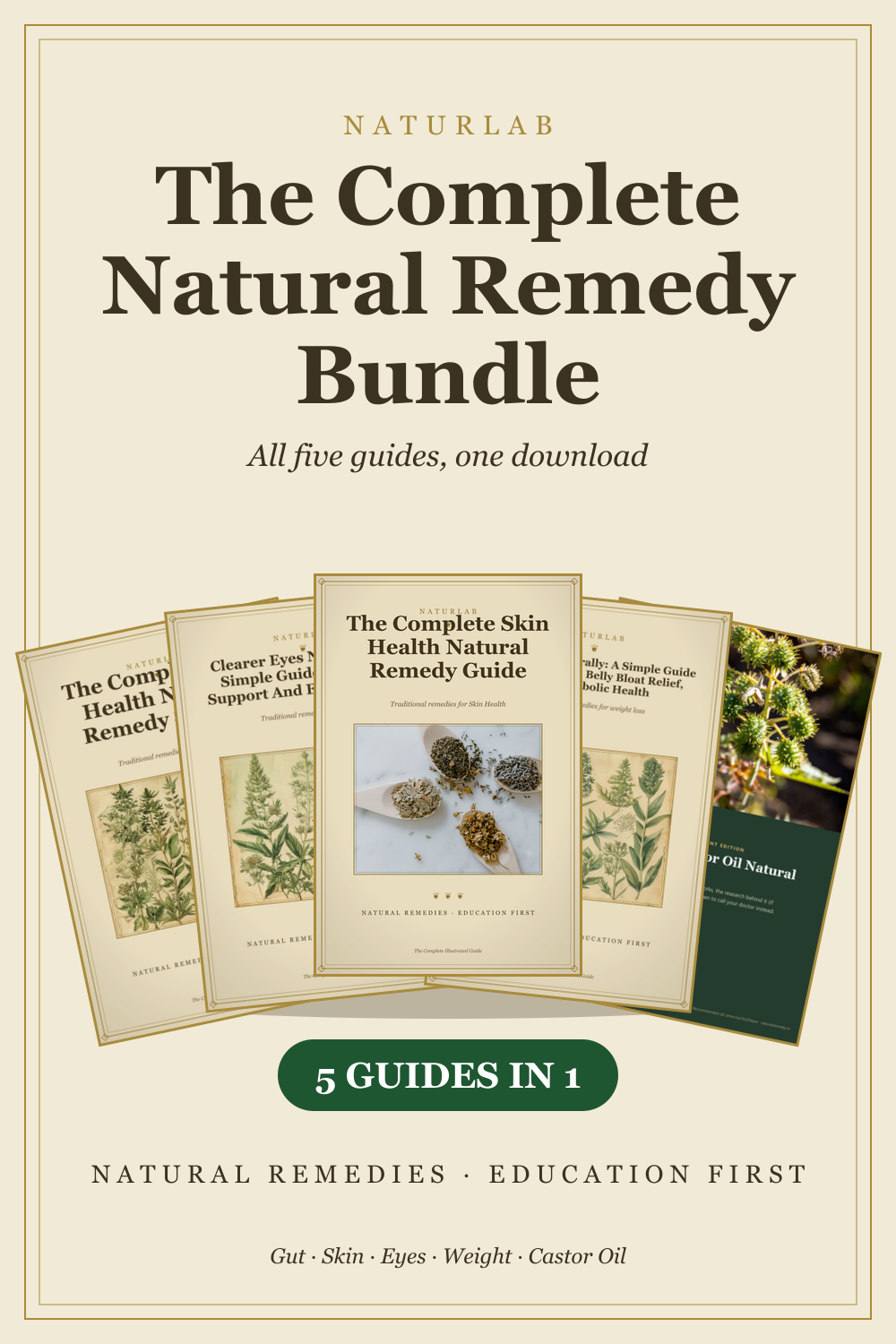
The Complete Natural Remedy Bundle: All 5 Guides
Gut, skin, eyes, weight and castor oil. Every NaturLab guide in one download, for one small price.
$63.93$9.99
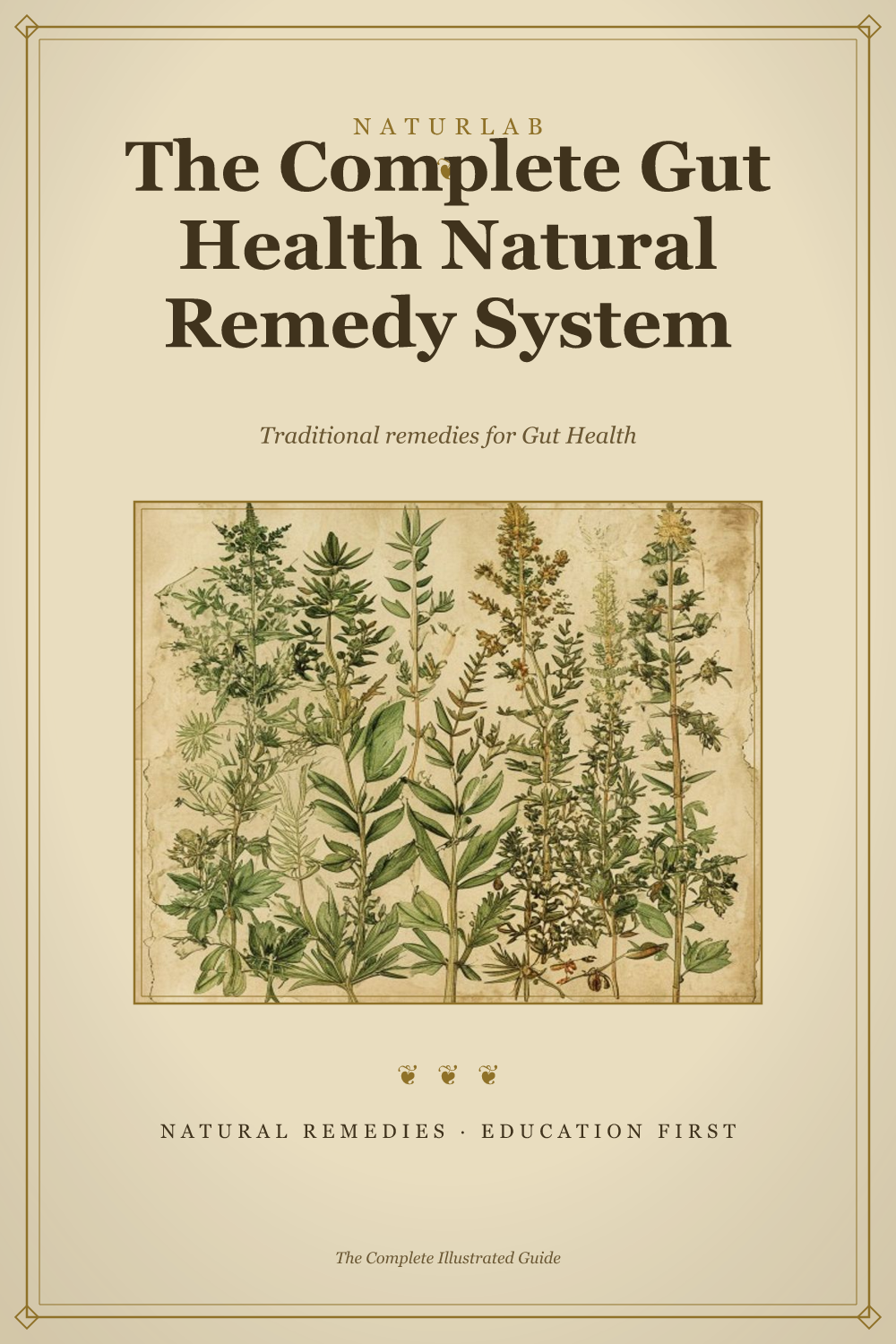
The Complete Gut Health Natural Remedy System
A complete natural remedy system for Gut Health.
$29.00$10.99
Clearer Eyes Naturally: Natural Remedies For Your Eyesight
A complete natural remedy system for Vision.
$29.00$15.97