7 Natural Remedies for High Blood Pressure Without Medication
Discover natural remedies for high blood pressure without medication, from diet changes to daily habits backed by research on healthy blood pressure.
High blood pressure, also called hypertension, is one of the most common health concerns today, but it's also one of the most responsive to lifestyle changes. Many people want to know if there are natural remedies for high blood pressure without medication that actually have research behind them. The good news is that several everyday habits, tested in real clinical trials, can meaningfully support healthy blood pressure levels. Here are seven approaches worth knowing about.
Why Lifestyle Changes Matter for Blood Pressure
Blood pressure reflects how hard your heart works to push blood through your arteries. Factors like sodium intake, stress, body weight, and activity level all influence how relaxed or constricted your blood vessels are. That's why diet and daily habits can have such a noticeable effect, sometimes comparable to what a single medication might do. As always, these approaches work best alongside guidance from your doctor, especially if you're already taking blood pressure medication.
1. Follow a DASH-Style Eating Pattern

The DASH diet (Dietary Approaches to Stop Hypertension) focuses on vegetables, fruits, whole grains, low-fat dairy, and less saturated fat and sodium. This pattern increases potassium, calcium, and magnesium while reducing sodium, which together helps blood vessels relax and reduces fluid retention.
In the original DASH trial, this diet alone lowered systolic blood pressure by roughly 8 to 11 mmHg in people with hypertension, an effect similar to some single-drug treatments. Aim for four to five servings of fruits and vegetables a day, along with whole grains and nuts, and you may notice changes within a couple of weeks.
2. Cut Back on Sodium
Excess sodium causes your body to hold onto water, which increases blood volume and pressure on your artery walls. Reviews of sodium-reduction studies consistently show that lowering salt intake reduces systolic blood pressure by about 4 to 5 mmHg in people with hypertension.
Most of the sodium in a typical diet comes from processed and packaged foods rather than the salt shaker, so reading labels and cooking more meals at home can make a real difference. Most guidelines suggest staying under 2,300 mg per day, with even lower targets for those already dealing with high blood pressure.
3. Add More Potassium-Rich Foods
Potassium helps your kidneys release more sodium and encourages blood vessels to relax, which counteracts some of sodium's pressure-raising effects. Research shows potassium-rich diets can lower systolic blood pressure by roughly 3 to 4 mmHg in people with hypertension.
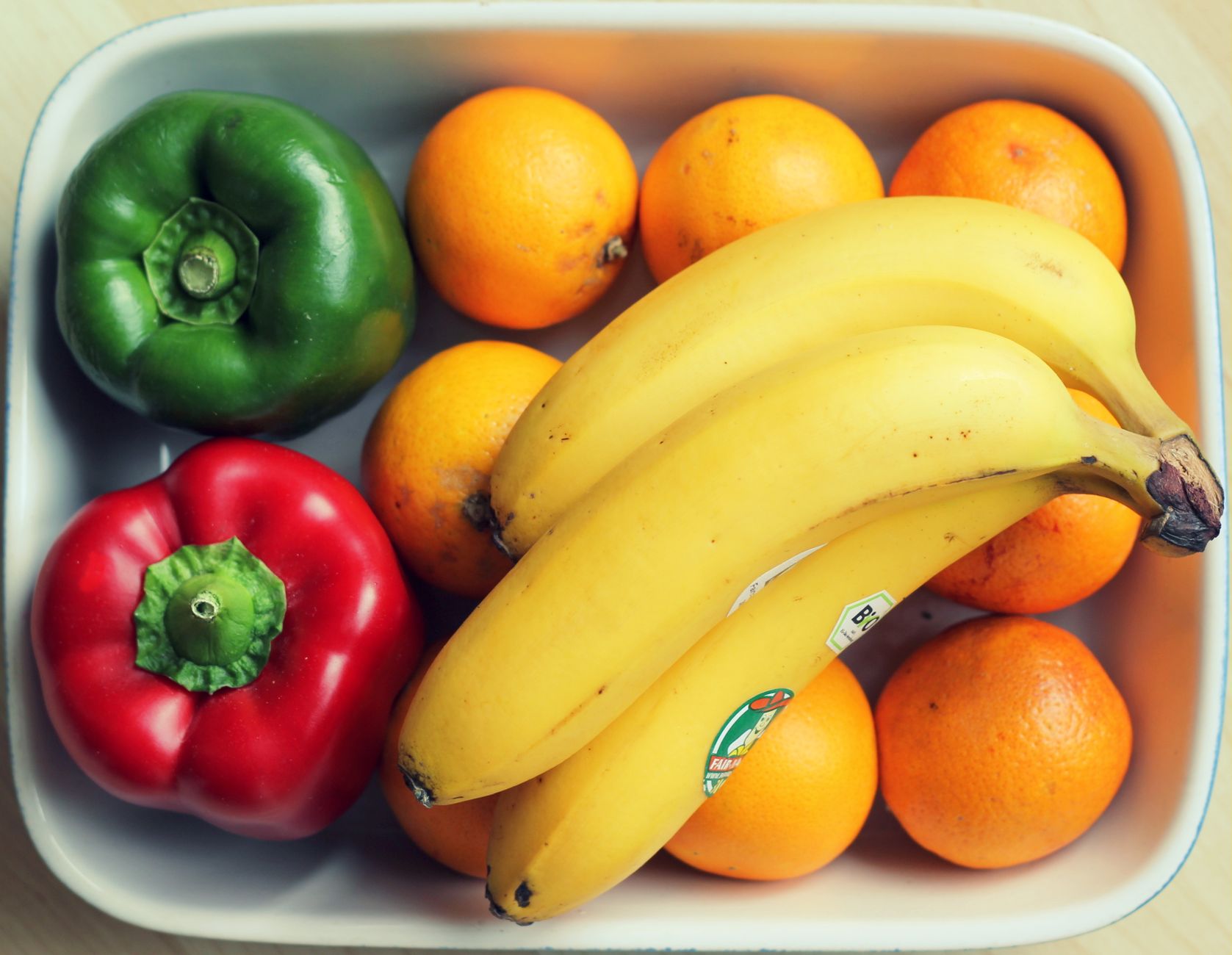
Bananas, potatoes, leafy greens, and beans are all good sources. It's best to get potassium from food rather than supplements, since too much can be risky for people with kidney disease or those taking certain blood pressure medications. Always check with your doctor before making major changes here.
4. Move Your Body Regularly
Regular aerobic activity, like brisk walking, cycling, or swimming, improves the function of the cells lining your blood vessels and helps your body manage fluid and sodium more efficiently. Studies show that consistent moderate exercise can lower systolic blood pressure by about 5 to 8 mmHg and diastolic pressure by 3 to 5 mmHg.
The encouraging part is that consistency matters more than intensity. Even 30 minutes of brisk walking most days of the week has been linked to measurable benefits within just a few weeks. If you're also dealing with digestive discomfort that makes evening walks uncomfortable, our guide on natural remedies for heartburn at night may help you feel more comfortable moving after meals.
5. Consider Magnesium-Rich Foods
Magnesium works somewhat like a natural calcium-channel blocker at the cellular level, helping blood vessels relax and widen. Research on magnesium intake, typically in the 300 to 500 mg per day range, has shown modest but real reductions of about 2 to 4 mmHg in systolic blood pressure, especially in people with lower magnesium levels to begin with.
Nuts, seeds, leafy greens, and whole grains are safer first choices than high-dose supplements, which can cause digestive upset and aren't recommended for people with kidney issues.
6. Try Beetroot Juice or Nitrate-Rich Vegetables
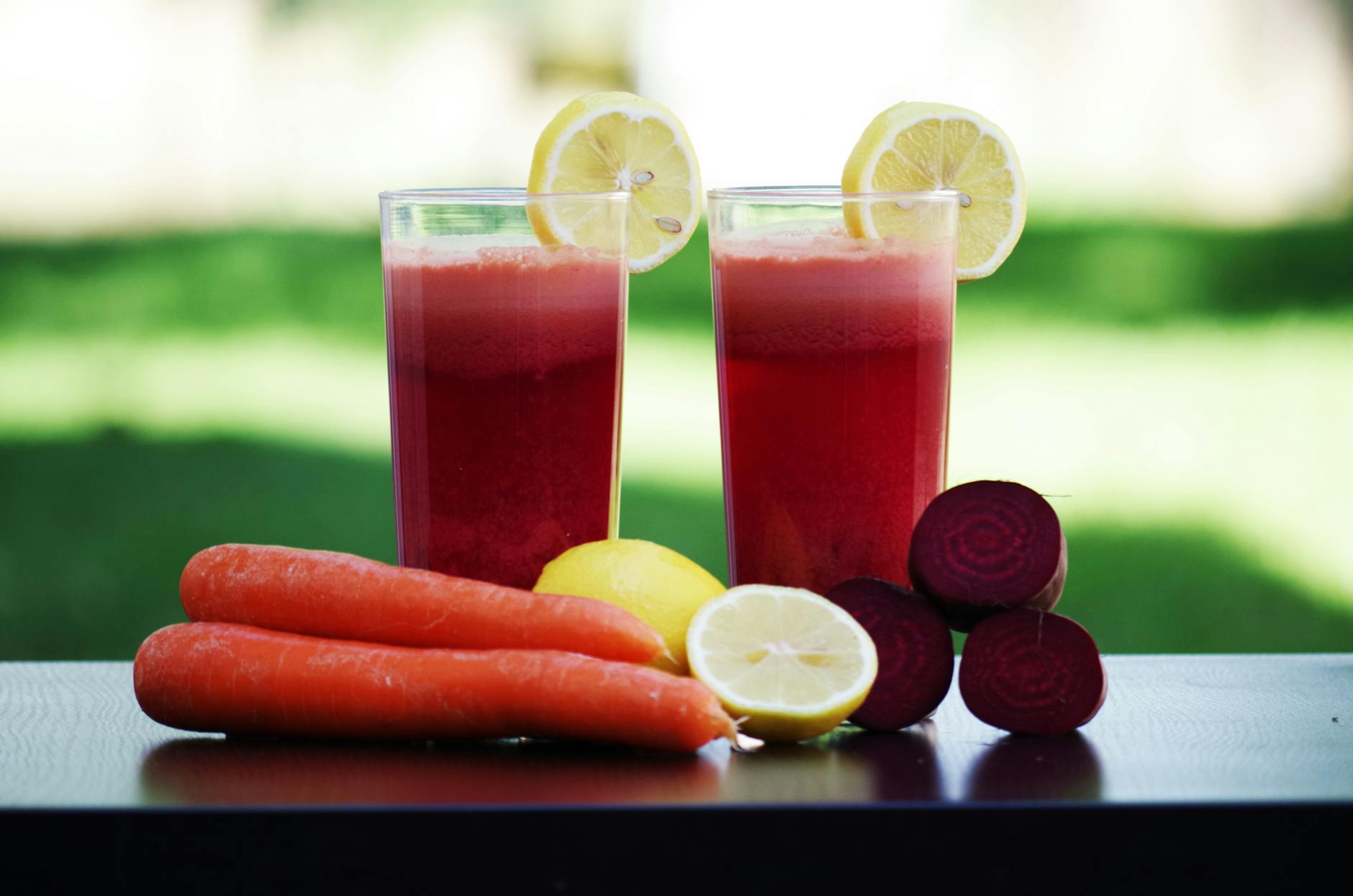
Beets and leafy greens contain natural nitrates, which your body converts into nitric oxide, a molecule that helps relax and widen blood vessels. Several trials have found that a serving of concentrated beetroot juice can produce a short-term drop in blood pressure, making it a simple addition to a balanced diet.
This remedy works best as part of an overall pattern of vegetable-rich eating rather than a stand-alone fix, but it's an easy and pleasant way to support your efforts.
7. Build in Daily Stress-Reduction Habits
Chronic stress keeps your body in a heightened state that can raise blood pressure over time through stress hormones like cortisol and adrenaline. Simple practices like slow breathing exercises, short daily walks, or a few minutes of quiet reflection have been shown in various studies to modestly lower blood pressure, particularly when practiced consistently.
Even small, calming routines, like a short evening wind-down or a few minutes of deep breathing before bed, can add up. If disrupted sleep or nighttime discomfort is part of your stress picture, you might also find it helpful to look into gentle, non-medication approaches, similar to how we've covered natural remedies for hemorrhoids at home, which focuses on comfortable, practical daily habits.
Putting It All Together
None of these remedies work like a switch you flip overnight. Instead, they work cumulatively, the way small deposits build up in a savings account. Combining a few of these approaches, rather than relying on just one, tends to produce the most meaningful and lasting results. It's also important to keep monitoring your blood pressure regularly and to keep your doctor informed, especially if you're on medication already, since some of these changes (like increasing potassium or magnesium) can interact with certain treatments.
Frequently Asked Questions
Can diet alone lower high blood pressure without medication? For many people with mild to moderate hypertension, diet changes like the DASH pattern and reduced sodium intake can meaningfully lower blood pressure, sometimes as much as a single medication. However, this varies by individual, and some people will still need medication alongside lifestyle changes, especially with more severe hypertension.
How quickly can natural remedies lower blood pressure? Some changes, like reducing sodium or starting regular exercise, can show effects within one to two weeks. Others, like dietary shifts through the DASH pattern, may take a few weeks of consistency to show their full benefit.
Is it safe to take potassium or magnesium supplements for blood pressure? Not always. People with kidney disease or those on certain blood pressure medications should avoid extra potassium or magnesium without medical supervision, since it can cause dangerous imbalances. Getting these nutrients from food is generally the safer first step.
Does stress really affect blood pressure that much? Yes, chronic stress keeps stress hormones elevated, which can contribute to sustained increases in blood pressure over time. Daily stress-reduction habits, even simple ones like slow breathing, have been shown to help modestly lower blood pressure when practiced consistently.
Should I stop my blood pressure medication if these remedies work? No, you should never stop or adjust blood pressure medication without talking to your doctor first. These natural approaches are meant to work alongside medical care, not replace it, especially since sudden changes in blood pressure management can be risky.
How much sodium reduction actually makes a difference? Research shows that cutting sodium intake to around 1,500 to 2,300 mg per day can lower systolic blood pressure by about 4 to 5 mmHg in people with hypertension. Since most sodium comes from processed foods, focusing on home cooking and reading labels tends to be more effective than simply avoiding the salt shaker.
Sources
- Therapeutic Potential and Mechanistic Pathways of Plant-Based Supplements and Exercise Training in Blood Pressure Management: An Evidence-Based Review and Research Agenda - PubMed
- Herbal Medicine (Sihogayonggolmoryeo-Tang or Chai-Hu-Jia-Long-Gu-Mu-Li-Tang) for Treating Hypertension:A Systematic Review and Meta-Analysis
- Interventions in hypertension: systematic review and meta-analysis of natural and quasi-experiments
- The Natural Treatment of Hypertension - PMC - NIH
Ready to put this into practice?
More on Natural Remedy For High Blood Pressure
Related articles you may find helpful.
Our best sellers
Practical, science-backed resources our readers love.
The Complete Natural Remedy Bundle: All 5 Guides
Gut, skin, eyes, weight and castor oil. Every NaturLab guide in one download, for one small price.
$63.93$9.99
The Complete Gut Health Natural Remedy System
A complete natural remedy system for Gut Health.
$29.00$10.99
Clearer Eyes Naturally: Natural Remedies For Your Eyesight
A complete natural remedy system for Vision.
$29.00$15.97