
What Causes Hay Fever and Natural Ways to Find Relief
Learn what actually causes hay fever and explore natural remedies for hay fever that target each cause, from pollen exposure to immune response.
Hay fever isn't caused by an infection, and pollen itself isn't dangerous. What's actually happening is that your immune system mistakes a harmless particle for a threat and overreacts. Once you understand that mechanism, it becomes much easier to see which natural approaches make sense, and why some remedies work better for certain symptoms than others.

What's Really Causing Hay Fever
The first time your body meets a particular type of pollen, some immune systems produce an antibody called IgE that's specific to that pollen. This IgE attaches itself to cells called mast cells, found in the lining of your nose, eyes, and airways. Think of mast cells as small containers loaded with histamine and other chemicals.
The next time that same pollen touches your nose or eyes, it binds to the IgE sitting on those mast cells. This triggers the cells to burst open and release histamine, which is what causes the itching, sneezing, swelling, and runny nose. This is also why hay fever often gets worse over time. Each exposure can make the immune system more primed to react.
There's also a genetic piece. People with a family history of allergies, eczema, or asthma tend to have this same overactive immune tendency, sometimes called atopy. If you want to understand how this same mechanism shows up on the skin, our guide on what causes eczema flare-ups covers a very similar immune process.
Finally, there's a second, slower wave of inflammation that follows the initial histamine release. Immune cells flood into the nasal tissue hours later, which is why congestion often lingers even after sneezing has calmed down. This two-stage process is why a single remedy rarely solves everything, and why a combination approach tends to work better.
Natural Approaches That Target Each Cause
1. Reduce how much pollen reaches your body
This is the simplest lever, and it works on plain physics rather than biology. Rinsing your nasal passages with a saline solution, using a neti pot or squeeze bottle, physically washes pollen and mucus out of your nose. Use distilled, sterile, or previously boiled water, never straight tap water, to avoid rare infection risks. Showering and changing clothes after time outdoors also removes pollen that would otherwise keep triggering reactions indoors. Checking daily pollen counts and avoiding outdoor activity during peak hours, usually mid-morning to early afternoon on dry, windy days, can meaningfully cut exposure.
2. Keep pollen out of your eyes and airways
Wraparound sunglasses reduce direct pollen contact with the eyes, which helps with itching and watering. Keeping windows closed during high-pollen periods and running a HEPA air filter indoors, especially in the bedroom, lowers the amount of pollen circulating in your home. Some people also find a thin nasal balm applied just inside the nostrils helps trap pollen before it reaches sensitive tissue.
3. Calm the histamine response
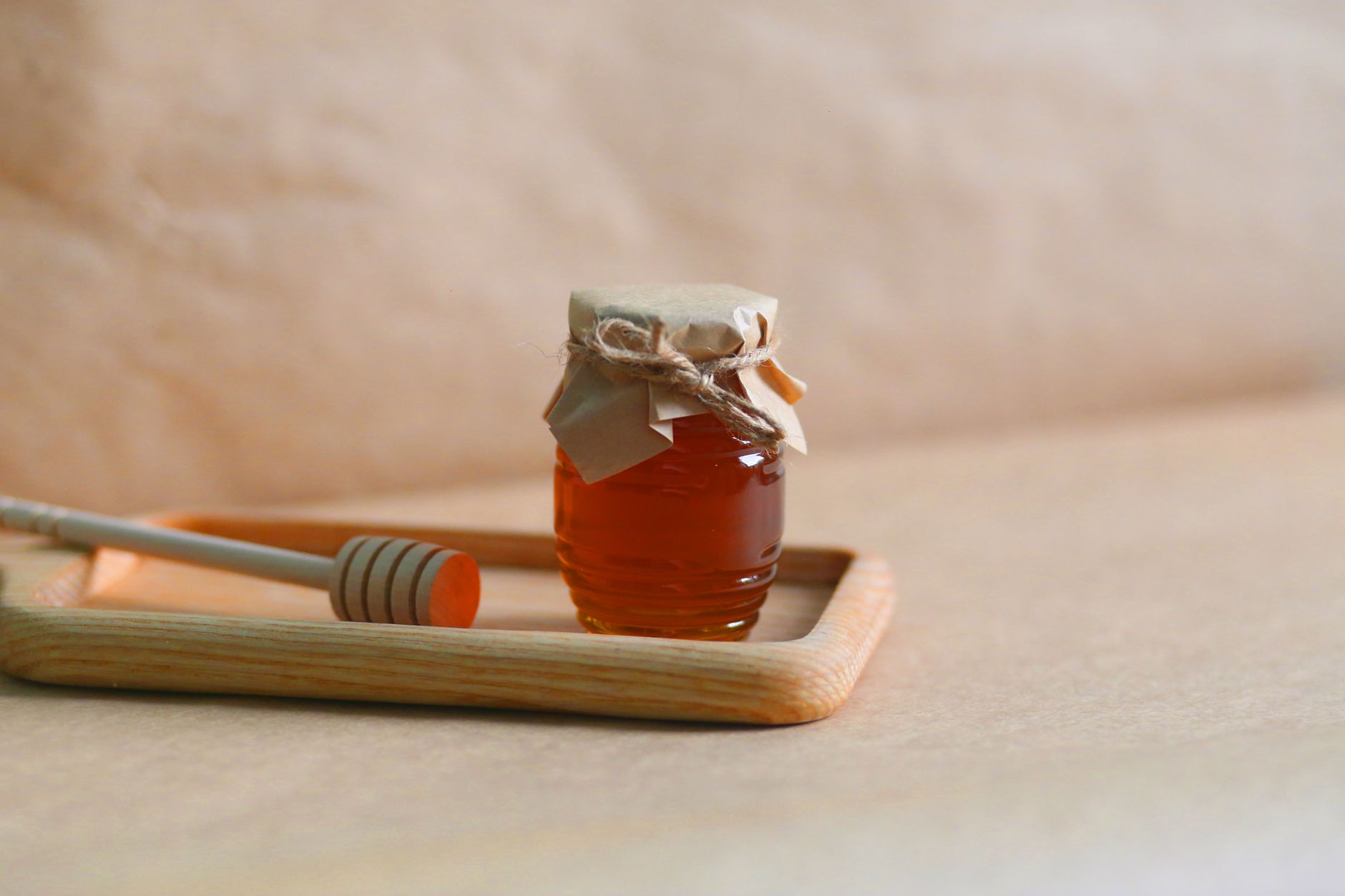
Quercetin, a plant compound found in onions, apples, and berries, may help stabilize mast cells so they release less histamine when triggered. Local honey is often suggested as a way to build tolerance to local pollen, though the scientific support for this is mixed and it shouldn't replace other steps. Butterbur extract has shown some promising results in trials for reducing nasal symptoms, but it must be a certified pyrrolizidine-alkaloid-free product, since the raw plant can be toxic to the liver.
4. Reduce the slower, lingering inflammation
This is the part antihistamines often miss. Nasal saline rinses again play a role here, since they help clear out inflammatory debris. Staying well hydrated thins mucus and can ease congestion. Steam inhalation, whether from a hot shower or a bowl of hot water, can temporarily soothe swollen nasal tissue. For a broader set of options aimed specifically at this stage of symptoms, our post on natural remedies for hay fever during pollen season walks through several practical, evidence-informed choices.
5. Support your immune system's overall balance
Chronic stress and poor sleep can make allergic reactions feel more intense, since both affect how the immune system regulates inflammation. Prioritizing regular sleep, moderate exercise, and stress management won't eliminate hay fever, but they can lower your overall reactivity over a season.
Putting It Together
Because hay fever involves both an immediate histamine reaction and a slower inflammatory phase, no single remedy usually covers everything. A practical routine combines reducing exposure (saline rinses, showering after being outdoors, checking pollen counts), calming the histamine response (quercetin-rich foods, possibly butterbur), and supporting general immune balance (sleep, hydration, stress reduction). If symptoms are severe or don't improve, it's worth speaking with a doctor, since some cases benefit from prescription options alongside these natural steps.
Frequently Asked Questions
Does local honey actually help with hay fever? The idea is that eating local honey exposes you to small amounts of local pollen, potentially building tolerance over time. Evidence for this is mixed and not strongly conclusive, so it's reasonable to try as a low-risk addition, but it shouldn't be relied on as a main strategy.
Is nasal saline rinsing safe to use every day? Yes, for most people daily saline rinsing is considered safe and is one of the better-supported natural approaches for allergy symptoms. Just be sure to use distilled, sterile, or previously boiled water rather than tap water to avoid rare infections.
Why do my symptoms get worse every year? Repeated exposure to the same pollen can make your immune system increasingly sensitive over time, a process related to how IgE antibodies build up. This is a normal part of how allergic conditions can progress and doesn't mean something is going wrong beyond typical sensitization.
Can diet changes reduce hay fever symptoms? Eating foods rich in quercetin, like onions, apples, and berries, may offer modest support for calming mast cell activity. Diet alone is unlikely to resolve hay fever, but it can be a helpful part of a broader routine.
How long does it take for natural remedies to show an effect? Some approaches, like nasal saline rinsing or avoiding peak pollen hours, can reduce symptoms within days. Others, like dietary changes or butterbur, may take a few weeks of consistent use before you notice a difference.
Should I stop taking allergy medication if I try natural remedies? No, natural approaches work best alongside medical care, not as a replacement for it. Talk to a doctor before changing any medication routine, especially if your hay fever is severe or affects your breathing.
Sources
Ready to put this into practice?
More on Natural Remedy For Hay Fever
Related articles you may find helpful.
Our best sellers
Practical, science-backed resources our readers love.
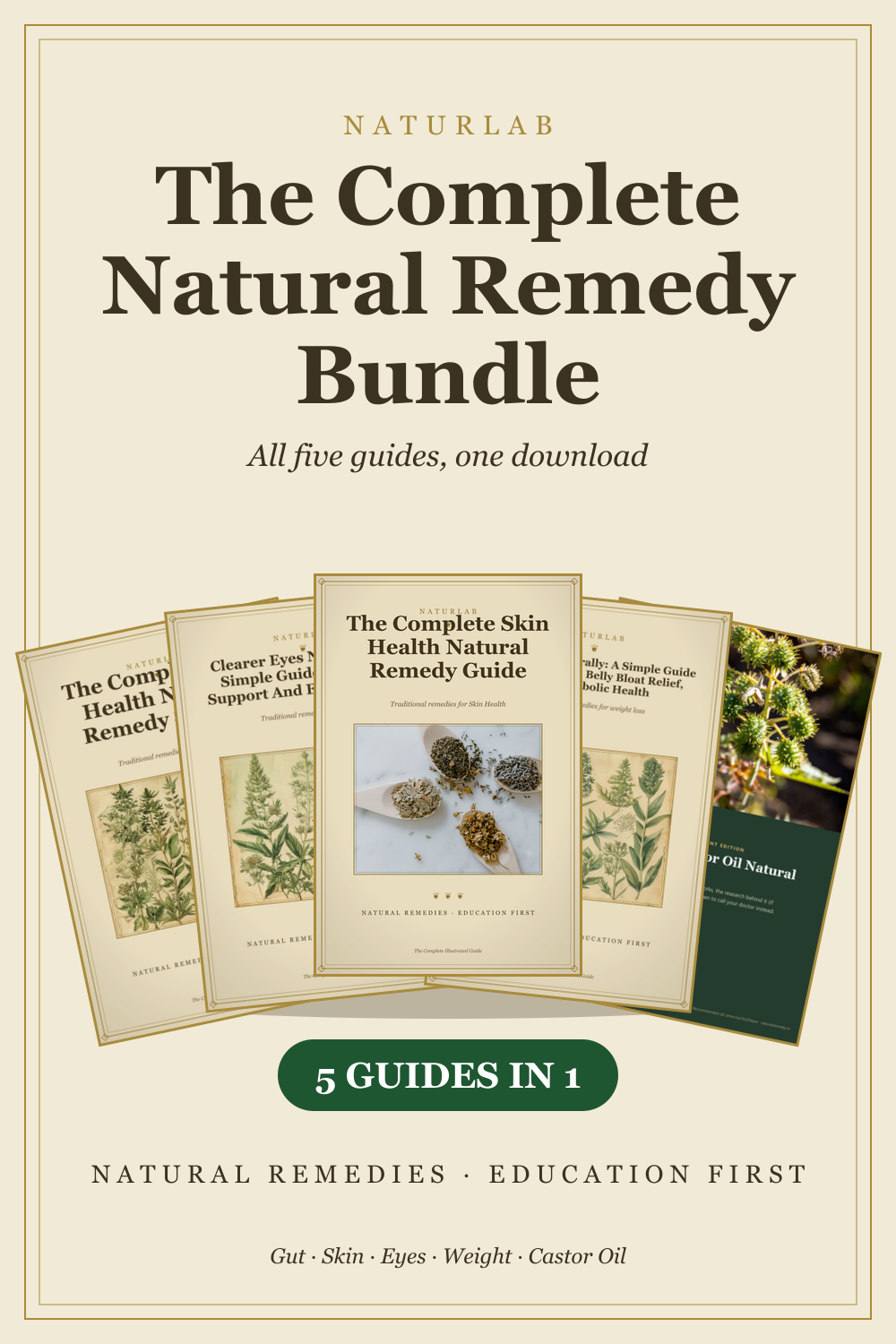
The Complete Natural Remedy Bundle: All 5 Guides
Gut, skin, eyes, weight and castor oil. Every NaturLab guide in one download, for one small price.
$63.93$9.99
The Complete Gut Health Natural Remedy System
A complete natural remedy system for Gut Health.
$29.00$10.99
Clearer Eyes Naturally: Natural Remedies For Your Eyesight
A complete natural remedy system for Vision.
$29.00$15.97