Natural Remedies for Hay Fever During Pollen Season: 6 Options That Help
Explore natural remedies for hay fever during pollen season, from saline rinses to probiotics, with a clear look at what the evidence actually shows.
Hay fever, also called allergic rhinitis, happens when your immune system overreacts to harmless particles like pollen, dust mites, or pet dander. Your body treats these as threats and releases histamine and other chemicals, which causes the sneezing, itchy eyes, and congestion that make spring and fall so miserable for many people.
While antihistamines and nasal steroids remain the most studied treatments, several natural approaches have real clinical research behind them. Below is an honest look at what has evidence, what's promising but unproven, and what probably doesn't do much at all.

1. Saline Nasal Irrigation
Rinsing your nasal passages with a saline solution, using a neti pot or a squeeze bottle, is one of the best-supported natural remedies for hay fever. Several clinical trials have found it reduces nasal symptom scores and can lower how much medication people need.
Why it works: Saline rinses physically flush out pollen, dust, and mucus from your nasal passages before they trigger a bigger immune reaction. The salt water also has a mild anti-inflammatory effect on swollen nasal tissue.
How to use it: Rinse once or twice daily during allergy season using distilled, sterile, or previously boiled and cooled water. Tap water carries a small risk of infection, so avoid using it straight from the faucet.
2. Butterbur Extract

Butterbur is a plant extract that has been compared directly to antihistamines like cetirizine in clinical trials, with some studies finding similar symptom relief and less drowsiness.
Why it works: Butterbur contains compounds called petasins that appear to block leukotrienes, chemicals involved in the allergic response, calming inflammation in the nasal passages.
Important safety note: Raw butterbur contains pyrrolizidine alkaloids, which can harm the liver. Only use products labeled "PA-free" or certified for safety, and avoid it if you're pregnant, breastfeeding, or have liver issues. Talk to a doctor before starting, especially if you take other medications.
3. Specific Probiotic Strains
Certain probiotic strains, mainly in the Lactobacillus and Bifidobacterium families, have shown modest improvements in seasonal allergy symptoms in some randomized trials, though results vary by strain and product.
Why it works: The gut plays a large role in shaping immune responses. Some probiotic strains seem to nudge the immune system away from the allergy-prone pattern and toward a calmer, more balanced response.
How to use it: Consistency matters more than a quick fix. Studies that saw benefits usually involved daily use for several weeks, often starting before pollen season begins. If you're curious about how gut and skin health connect to inflammation more broadly, our guide on natural remedies for eczema touches on similar immune pathways.
4. Quercetin
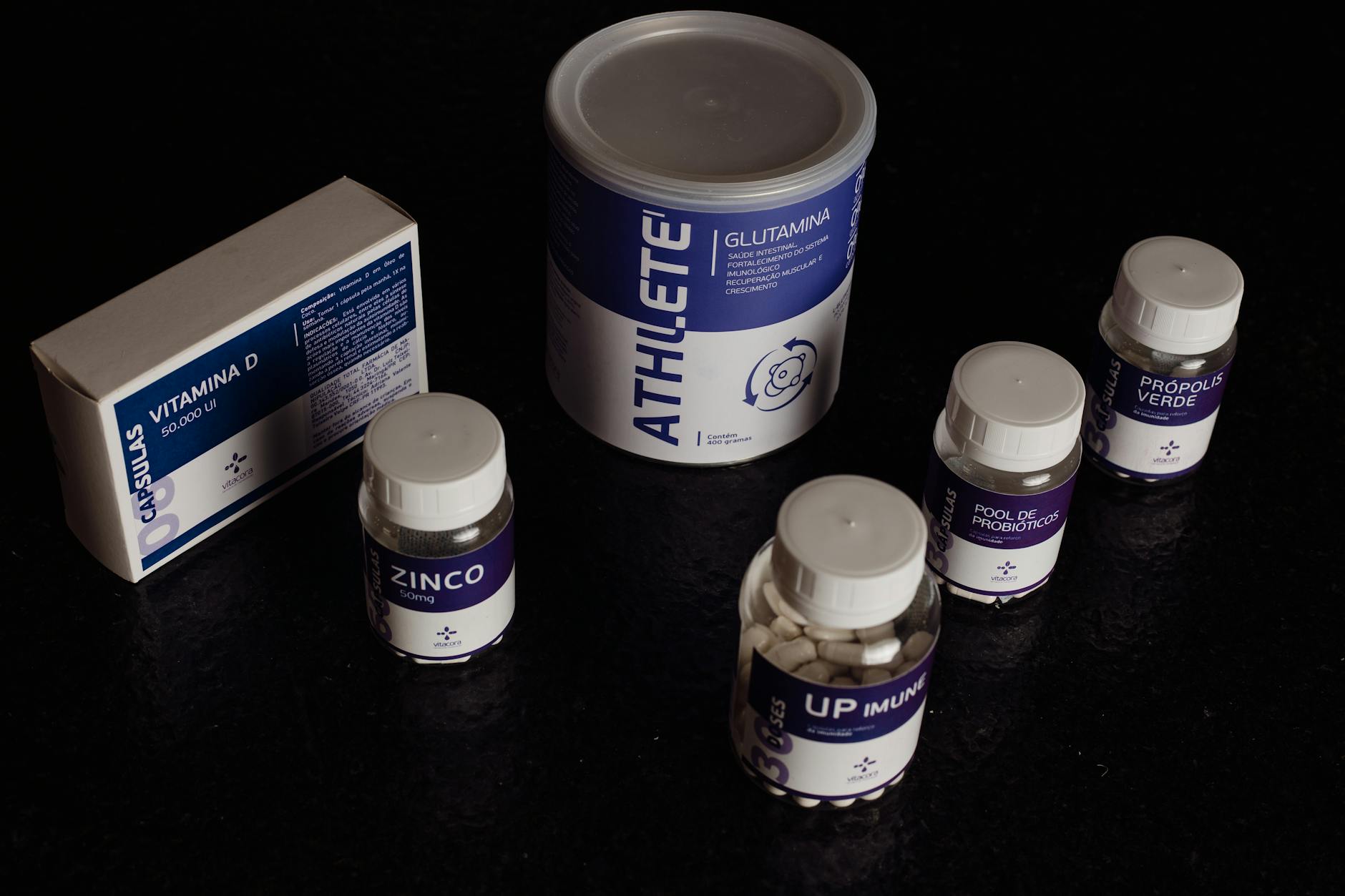
Quercetin is a plant flavonoid often marketed as a natural antihistamine. Lab studies show it can stabilize mast cells and reduce histamine release, but solid human trials specifically on hay fever are limited.
Why it's promising, with caveats: The mechanism makes sense on paper, but most of the strongest evidence comes from cell and animal studies rather than large human trials. Consider it a reasonable option to discuss with a healthcare provider, not a proven first-line remedy.
5. Acupuncture
Several reviews of acupuncture for seasonal allergies have found small to moderate improvements in nasal symptoms and reduced need for antihistamines compared to sham treatment, though overall study quality varies.
Why it may help: Researchers think acupuncture may influence nerve signaling and local inflammation, though the exact mechanism isn't fully settled. It's generally low risk when performed by a licensed practitioner, but the time and cost investment should be weighed against the modest benefit shown in studies.
6. Simple Habit Changes

Beyond supplements and treatments, everyday habits can meaningfully reduce your pollen exposure:
- Check daily pollen counts and stay indoors when levels peak, usually mid-morning to early afternoon.
- Keep windows closed during high pollen days and use an air purifier with a HEPA filter indoors.
- Shower and change clothes after being outside to remove pollen from your skin and hair.
- Dry laundry indoors during pollen season instead of on an outdoor line.
These habits won't replace treatment, but they reduce the total allergen load your immune system has to deal with, which can make other remedies work better.
A Note on Local Honey
Local honey is one of the most popular folk remedies for hay fever, but it's also the weakest in terms of evidence. The few controlled studies that have tested it directly found no meaningful difference compared to a placebo. This may be because the pollen that triggers hay fever, like grass and ragweed pollen, is spread by wind, while bees mostly collect pollen from flowers that don't cause allergies. It's not harmful to try, but don't expect much relief from it alone.
When to See a Doctor
If your symptoms are severe, affect your sleep or daily life, or don't improve with home approaches, it's worth talking to a doctor or allergist. They can help identify your specific triggers through allergy testing and discuss whether prescription options or immunotherapy make sense for you.
Frequently Asked Questions
Can natural remedies fully replace antihistamines for hay fever? For some people with mild symptoms, natural approaches like saline rinses or butterbur may provide enough relief. For moderate to severe symptoms, they're often best used alongside standard treatment rather than as a full replacement.
How long does it take to notice results from probiotics or quercetin? Most studies that found benefits from probiotics used them for several weeks before and during allergy season. Quercetin's timeline is less well studied, so patience and consistency are key with either option.
Is it safe to use a neti pot every day during allergy season? Yes, for most people daily saline rinses are considered safe. Just make sure to use distilled, sterile, or boiled and cooled water, and clean your device after each use to avoid infection risk.
Why doesn't local honey work for hay fever the way people expect? The pollen that triggers hay fever comes from wind-pollinated plants like grasses and ragweed, while honey mainly contains pollen from flowers that insects visit. Since these are usually different pollen types, eating honey doesn't build tolerance to the allergens actually causing your symptoms.
Are there natural remedies that work well for both hay fever and skin allergies? Some people with hay fever also experience allergic skin reactions. Approaches that support overall immune balance, like certain probiotics, may offer overlapping benefits, though each condition should be addressed with its own targeted care. Our article on natural remedies for eczema covers similar themes for skin-related allergic reactions.
Can stress make hay fever symptoms worse? Stress can influence immune function and may amplify how intensely your body reacts to allergens. Managing stress through sleep, exercise, and relaxation techniques won't cure hay fever, but it may help reduce how severe flare-ups feel.
Sources
- Homeopathy for Allergic Rhinitis: A Systematic Review - PubMed
- Efficacy of Chinese herbal medicine in allergic rhinitis: a meta‐analysis - PMC
- Natural products for the treatment of allergic rhinitis: focus on cellular signaling pathways and pharmacological targets - PMC
- Medicinal plants for allergic rhinitis: A systematic review and meta-analysis
Ready to put this into practice?
More on Natural Remedy For Hay Fever
Related articles you may find helpful.
Our best sellers
Practical, science-backed resources our readers love.
The Complete Natural Remedy Bundle: All 5 Guides
Gut, skin, eyes, weight and castor oil. Every NaturLab guide in one download, for one small price.
$63.93$9.99
The Complete Gut Health Natural Remedy System
A complete natural remedy system for Gut Health.
$29.00$10.99
Clearer Eyes Naturally: Natural Remedies For Your Eyesight
A complete natural remedy system for Vision.
$29.00$15.97