
6 Natural Remedies for Cough That Are Backed by Research
Discover natural remedies for cough, from honey to herbal syrups, with honest explanations of why each one helps soothe irritated airways.
Coughing is your body's way of clearing irritants, mucus, or infection from your airways. Most coughs linked to colds go away on their own within a week or two, but that doesn't mean you have to just wait it out uncomfortably. A handful of natural remedies have real research behind them, while others popular in folk medicine don't hold up as well under scientific scrutiny. Here's an honest look at what the evidence actually shows.

Why Understanding the Evidence Matters
Not every remedy passed down through generations works the way people assume. Some, like honey, are surprisingly well-studied and effective. Others are more about comfort and tradition than measurable results. Knowing the difference helps you choose what's actually worth trying, and when it's time to see a doctor instead.
1. Honey

Honey is probably the single most evidence-backed natural cough remedy available. Multiple randomized controlled trials and systematic reviews have found that honey reduces cough frequency and severity in children with upper respiratory infections, often performing as well as or better than over-the-counter cough suppressants.
Why it works: Honey's thick texture coats and soothes irritated throat tissue, while its mild antimicrobial and antioxidant properties may calm the inflammation that makes the cough reflex more sensitive.
How to use it: Try 1.5 to 2 teaspoons before bedtime, or mixed into warm water or tea as needed.
Safety note: Never give honey to children under 12 months old, due to the risk of infant botulism.
2. Pelargonium sidoides (South African Geranium) Extract
This root extract, often sold under brand names like Umckaloabo, has been tested in several randomized, placebo-controlled trials for acute bronchitis and upper respiratory infections. Results generally show modest reductions in cough duration and severity compared to placebo.
Why it works: It appears to have mild antiviral and antibacterial effects, along with properties that help loosen mucus and support the immune response, which together may ease coughing tied to respiratory infections.
How to use it: Standardized liquid extracts are usually taken three times daily for seven to ten days, following the product label.
Safety note: Rare reports of liver effects exist, so anyone with liver conditions should check with a doctor before use.
3. Thyme and Ivy Leaf Extract

Herbal cough syrups that combine thyme and ivy leaf extract have been tested in clinical trials for acute bronchitis. Several studies show reduced cough frequency and improved symptom scores compared to placebo, with results sometimes comparable to standard mucolytic medications.
Why it works: Thyme contains compounds like thymol that may have antispasmodic and mild antimicrobial effects, while ivy leaf extract contains saponins thought to help thin mucus, making a productive cough feel less exhausting.
How to use it: Follow the dosing instructions on the specific syrup product, usually taken several times daily for one to two weeks.
Safety note: Generally well tolerated, though occasional stomach upset has been reported. It hasn't been well studied in pregnancy, so caution is warranted.
4. Steam Inhalation and Humidified Air
Large clinical trials on steam inhalation specifically for cough are limited, and results are mixed. Even so, humidifying dry air or inhaling warm steam is widely recommended by health institutions for symptomatic relief, especially when mucus feels thick or the throat feels dry and raw.
Why it works: Warm, moist air helps loosen mucus and soothes irritated airway tissue, which can reduce the urge to cough, even though it doesn't shorten how long the underlying illness lasts.
How to use it: Take a hot shower, lean over a bowl of hot water with a towel draped over your head, or run a humidifier overnight.
Safety note: Keep a safe distance from boiling water to avoid burns, and supervise young children closely if you try this method.
5. Zinc Lozenges

Some systematic reviews have found that zinc lozenges, taken within 24 hours of cold symptom onset, can modestly shorten the overall duration of cold symptoms, including cough, by roughly a day. Results vary depending on the zinc formulation and dose used.
Why it works: Zinc may interfere with how rhinovirus, a common cold virus, replicates and binds in the throat and nasal lining, potentially shortening the infection that's driving the cough in the first place.
How to use it: Studies generally use lozenges providing 75 milligrams or more of elemental zinc per day, started as early as possible in the illness.
Safety note: Zinc lozenges can cause nausea or an unpleasant taste in some people, and long-term high doses can interfere with copper absorption.
6. Warm Fluids and Herbal Teas
While not as rigorously studied as honey or Pelargonium, warm fluids like herbal teas are consistently recommended alongside other treatments for cough and cold symptoms, and many people find real comfort in them.
Why it works: Warm liquids can soothe throat irritation directly and help keep mucus thinner, making it easier to clear. Teas made with ginger, licorice root, or marshmallow root are traditionally used for their soothing, mildly anti-inflammatory qualities, though clinical evidence specifically for cough is still limited.
How to use it: Sip warm tea throughout the day, adding honey if you're over 12 months old for extra soothing benefit.
If you're dealing with a cough as part of a broader cold or flu, it's worth looking at the bigger picture of recovery. Our guide to 7 natural remedies for colds and flu that are backed by research covers additional approaches that work alongside these cough-specific remedies. And if you're prone to recurring mouth or throat irritation during illness, you might also find our piece on 6 natural remedies for cold sores that are backed by research useful, since immune stress often triggers both issues at once.
When to See a Doctor
Most coughs from colds clear up within one to three weeks. But a cough that lasts longer than three weeks, comes with high fever, shortness of breath, chest pain, or coughing up blood needs medical attention. Natural remedies can ease discomfort, but they aren't a substitute for proper diagnosis when something more serious is going on.
Frequently Asked Questions
Can honey really work as well as cough medicine? Several studies comparing honey to over-the-counter cough suppressants like dextromethorphan found honey performed just as well, or sometimes better, at reducing cough frequency and severity in children. It's not a cure, but it's a reasonably well-supported option for short-term relief.
Is it safe to give children natural cough remedies? Honey should never be given to children under 12 months due to botulism risk. For older children, honey, warm fluids, and humidified air are generally considered safe, but herbal extracts and zinc lozenges should be used cautiously and ideally after checking with a pediatrician.
How long should I try a natural remedy before seeing a doctor? If your cough hasn't improved after two to three weeks, or if it's getting worse instead of better, it's time to see a doctor. Natural remedies are meant to ease discomfort during a normal recovery, not replace medical care for a persistent or worsening cough.
Does drinking more water actually help a cough? Staying well hydrated helps keep mucus thinner and easier to clear, which can reduce coughing triggered by thick secretions. It won't shorten a cold, but it supports your body's natural ability to clear irritants from the airway.
Are herbal cough syrups as effective as pharmacy cough medicine? Some herbal combinations, like thyme and ivy leaf extract, have shown effects comparable to standard mucolytic medications in clinical trials. Effectiveness can vary between products and formulations, so it's worth looking for one with published clinical research behind it.
Can steam inhalation make a cough worse? For most people, steam brings comfort rather than harm, but getting too close to very hot water can cause burns, and in rare cases steam may irritate sensitive airways further. If you have asthma or another respiratory condition, check with a doctor before relying on steam as a main remedy.
Sources
- Is honey a well-evidenced alternative to over-the-counter cough medicines? - PMC
- Honey for acute cough in children — a systematic review - PMC
- Comparing the Effectiveness of Honey Consumption With Anti-Cough Medication in Pediatric Patients: A Systematic Review
- Comparing the Effectiveness of Honey Consumption With Anti-Cough Medication in Pediatric Patients: A Systematic Review - PubMed
Ready to put this into practice?
More on Natural Remedy For Cough
Related articles you may find helpful.
Our best sellers
Practical, science-backed resources our readers love.
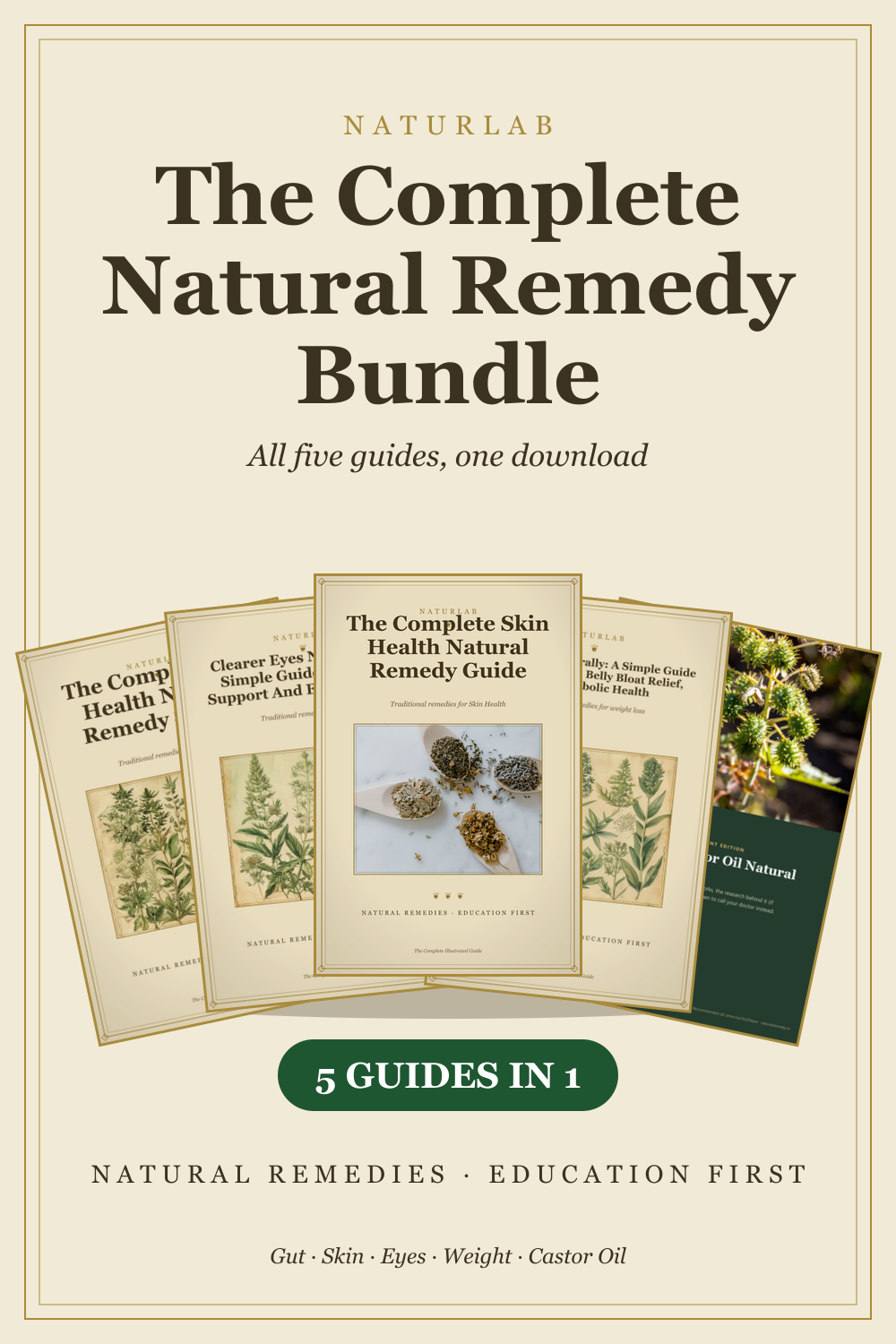
The Complete Natural Remedy Bundle: All 5 Guides
Gut, skin, eyes, weight and castor oil. Every NaturLab guide in one download, for one small price.
$63.93$9.99

The Complete Gut Health Natural Remedy System
A complete natural remedy system for Gut Health.
$29.00$10.99

Clearer Eyes Naturally: Natural Remedies For Your Eyesight
A complete natural remedy system for Vision.
$29.00$15.97