
What Causes Cold Sores to Flare Up and Natural Ways to Help
Discover the real causes behind cold sore flare-ups and explore natural remedy for cold sores approaches that support comfort and faster healing.
Cold sores have a way of showing up at the worst possible time, right before a big event or during a stressful week. They feel a little embarrassing and a lot mysterious. But once you understand what's actually happening in your body, the whole thing makes a lot more sense, and you can see exactly why certain natural approaches help.
What a Cold Sore Actually Is
A cold sore is caused by the herpes simplex virus, almost always type 1 (HSV-1). Here's the key thing to understand: once you're infected, usually in childhood through something as simple as sharing a cup or getting a kiss from a relative, the virus doesn't leave your body. It travels along nerve fibers to a cluster of nerve cells near your ear called the trigeminal ganglion, and it settles there for life.
This is extremely common. Most adults worldwide carry HSV-1, and many never even realize it because the first infection is often mild or mistaken for something else entirely.
A cold sore isn't a brand new infection. It's a reactivation. The virus periodically wakes up, travels back down the nerve to the skin surface, and causes the familiar tingle, blister, and crust cycle, usually on or around the lips.
What Actually Triggers a Flare-Up
This is the part that matters most, because it shows exactly what you can influence.
- Immune dips. Anything that temporarily lowers your body's defenses, like a cold, flu, or fever, gives the virus an opening. This is where the nickname "fever blister" comes from.
- Sun exposure. Strong UV light on the lips is one of the most well documented triggers of an outbreak.
- Stress and poor sleep. Stress hormones can suppress immune function, and there's a consistent link between stressful periods and flare-ups.
- Hormonal shifts. Some people notice outbreaks around their menstrual cycle.
- Local trauma. Dental work, lip injuries, or even chapped skin can trigger a flare.
- Amino acid balance. Older research suggests that the relationship between two amino acids, lysine and arginine, may affect how easily the virus replicates.
So helping with cold sores really comes down to two goals: reducing how often the virus reactivates, and easing discomfort once an outbreak starts. Different remedies target different parts of that.
Natural Approaches Worth Knowing About
1. Lemon balm cream at the first tingle
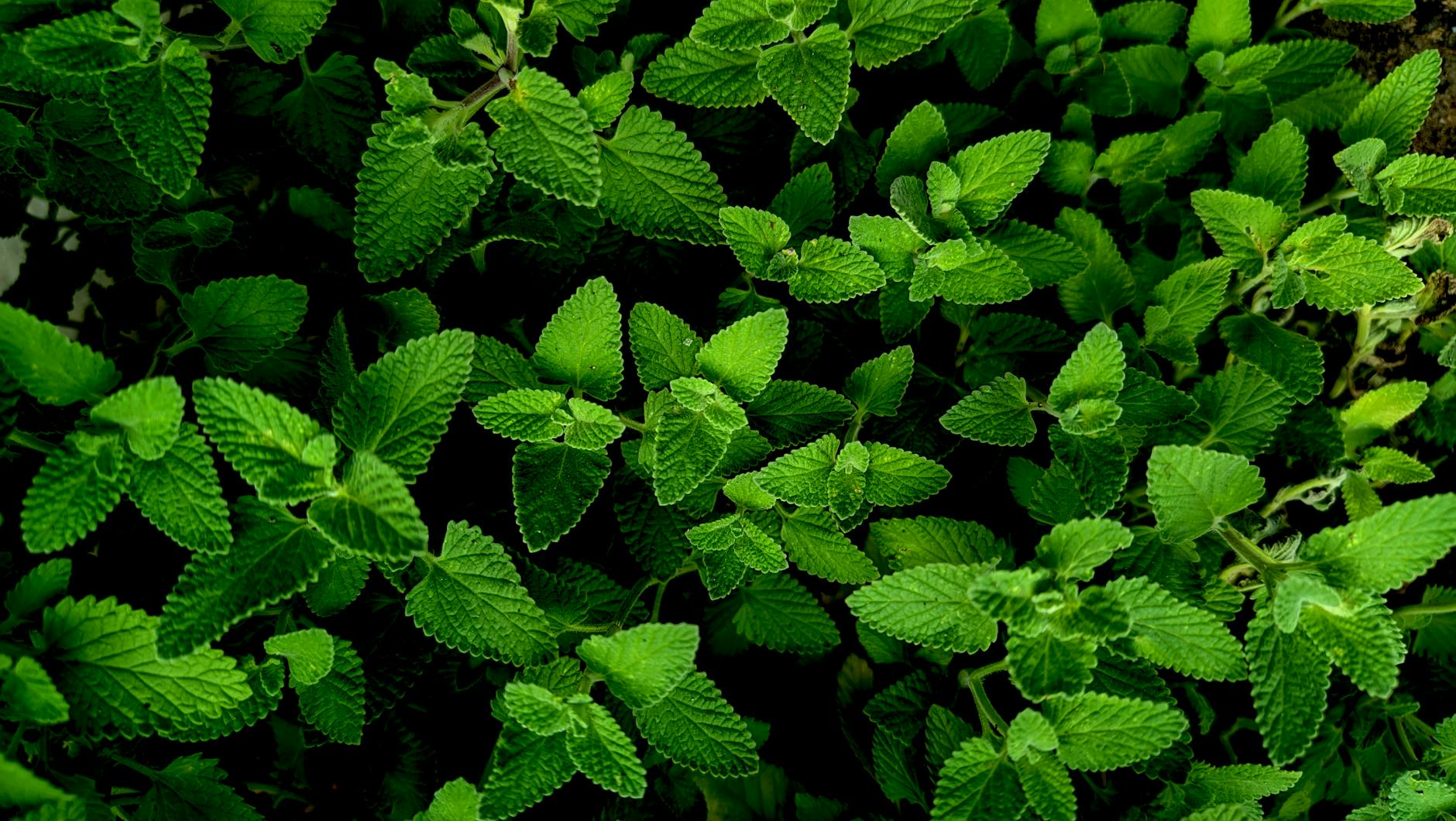
Lemon balm (Melissa officinalis) has some of the more encouraging research behind it among topical botanicals. Studies have found that a concentrated lemon balm cream, applied several times a day starting right when you feel that early tingling sensation, can help lesions heal a bit faster and appear smaller compared to no treatment. Polyphenols in lemon balm appear to interact with the virus particle before it fully attaches to skin cells, which is why timing matters so much. Apply it four to five times a day at the very first sign of a flare for the best chance of a mild result.
2. Supporting your amino acid balance
Lysine is one of the most talked about natural options, and while the research is mixed, it's low risk and worth understanding. Some studies on daily lysine intake have shown modest improvements in how often outbreaks happen or how long they last, particularly with consistent daily use rather than a single dose after symptoms begin. Pairing this with a mild, temporary reduction in arginine-rich foods like chocolate and nuts during flare-prone periods is sometimes suggested, though the evidence for the food swap alone is weaker than for supplementation.
3. Cool compresses for comfort
A clean, cool, damp cloth held gently against the area for ten to fifteen minutes several times a day can reduce swelling and take the edge off the tingling or burning sensation. This is simple, has no real downside, and works well alongside other remedies.
4. Daily lip protection from the sun
Since UV exposure is a documented trigger, using a lip balm with SPF protection, especially if you spend time outdoors or notice a pattern between sunny days and flare-ups, is a genuinely practical preventive habit rather than a treatment for an active sore.
5. Managing stress and sleep
Because stress hormones can dampen immune function, basic stress management habits, consistent sleep, short walks, breathing exercises, are not just general wellness advice here. They're directly tied to how often your immune system keeps the virus in check.
6. Gentle, unbroken skin care
Keeping the area clean and avoiding picking at a blister helps prevent secondary irritation and supports the skin's own healing process. For a broader look at additional options people use, 6 Natural Remedies for Cold Sores That Are Backed by Research walks through several more approaches in detail.
When Oral Health Habits Matter Too
Because cold sores form around the mouth, general oral hygiene habits can play a supporting role in comfort during an outbreak, even though they don't address the virus itself. If you're already paying closer attention to your mouth during a flare, it's worth knowing that some of the same daily habits that help with chronic bad breath, like gentle brushing and staying hydrated, can make the healing period a bit more comfortable too.
Frequently Asked Questions
Can natural remedies get rid of cold sores completely? No natural remedy removes the herpes simplex virus from the body, since it stays dormant in nerve cells for life. What natural approaches can do is support comfort, potentially ease symptoms, and in some cases shorten how long an active outbreak lasts.
How soon should I start treatment once I feel a tingle? As early as possible. Most remedies, especially lemon balm cream, seem to work best when applied right at the first sign of tingling or itching, before a blister has fully formed.
Are cold sores contagious even when I don't have a visible blister? Herpes simplex virus can occasionally shed and spread even without visible symptoms, though the risk is much higher when a blister is present. It's generally wise to avoid direct contact with the area, especially with young children or anyone with a weakened immune system, whenever you feel a flare coming on.
Does diet really affect how often I get cold sores? There's some evidence that the balance between lysine and arginine in the diet may play a role for certain people, but this varies quite a bit from person to person. It's a reasonable thing to experiment with, but it isn't a guaranteed fix.
Why do cold sores keep coming back in the same spot? The virus travels along a specific nerve pathway to the same area of skin each time it reactivates, which is why outbreaks tend to appear in a consistent location for a given person.
Is stress really a trigger, or is that just a myth? Stress is one of the more consistently documented triggers in research. It doesn't cause the virus itself, but ongoing stress can affect immune function in ways that make reactivation more likely.
Sources
- Cellular responses to HSV-1 infection are linked to specific types of alterations in the host transcriptome - PMC
- Inhibition of HSV-1 Replication by Gene Editing Strategy - PMC
- Reactivation of HSV-1 following explant of tree shrew brain
- Immunological Control of Herpes Simplex Virus Type 1 Infection: A Non-Thermal Plasma-Based Approach
Ready to put this into practice?
More on Natural Remedy For Cold Sores
Related articles you may find helpful.
Our best sellers
Practical, science-backed resources our readers love.
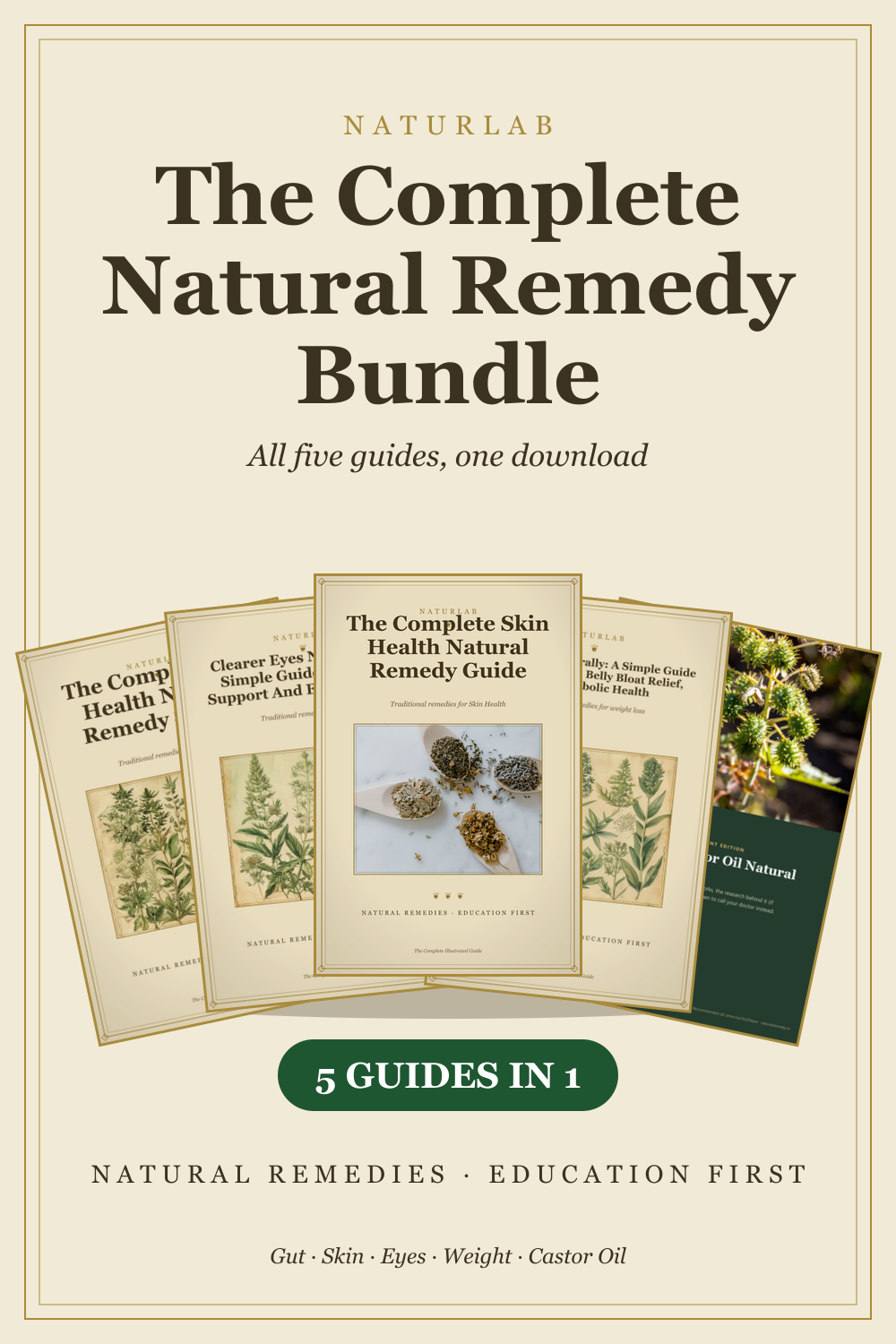
The Complete Natural Remedy Bundle: All 5 Guides
Gut, skin, eyes, weight and castor oil. Every NaturLab guide in one download, for one small price.
$63.93$9.99
The Complete Gut Health Natural Remedy System
A complete natural remedy system for Gut Health.
$29.00$10.99
Clearer Eyes Naturally: Natural Remedies For Your Eyesight
A complete natural remedy system for Vision.
$29.00$15.97