6 Natural Remedies for Cold Sores That Are Backed by Research
Discover evidence-informed natural remedies for cold sores, from lemon balm to zinc cream, that may ease pain and support faster healing.
Cold sores, also called herpes labialis, are small blisters caused by the herpes simplex virus, usually HSV-1. Once you're infected, the virus stays in your body and can reactivate from time to time, often triggered by stress, sun exposure, or a weakened immune system. There's no natural remedy for cold sores that gets rid of the virus for good, but several approaches have real research behind them for easing pain, calming inflammation, and possibly shortening how long an outbreak lasts. Here's what the evidence actually shows.

1. Lemon Balm Cream
Lemon balm (Melissa officinalis) contains plant compounds called polyphenols and tannins that appear to interfere with how the herpes virus attaches to and enters cells. In several small clinical trials, a concentrated lemon balm cream, usually around 1% extract, applied a few times a day starting at the very first tingle, was linked to faster healing and milder symptoms compared with a placebo cream. It's one of the more consistently studied natural options for cold sores, which is why it often tops these lists.
For best results, keep a tube on hand and apply it the moment you notice that early itching or tingling sensation, rather than waiting for a visible blister to form.
2. L-Lysine Supplements
Lysine is an amino acid that some researchers believe competes with arginine, another amino acid the herpes virus needs in order to replicate. Trials using doses in the range of 1,000 to 3,000 mg per day have shown modestly fewer recurrences or somewhat faster healing in some people, though the overall evidence is mixed, with a few well-designed studies finding no clear benefit over placebo.
Lysine supplements are generally considered low-risk for most healthy adults, so many people use them as a supportive habit rather than a guaranteed fix. As with any supplement, it's worth checking with a healthcare provider first, especially if you take other medications.
3. Propolis Ointment
Propolis is a resin bees create from tree sap, and it has shown antiviral and anti-inflammatory activity in both lab and clinical research. One notable trial found that a 3% propolis ointment led to noticeably faster healing and pain relief for herpes lesions compared with both a placebo and a standard antiviral ointment. Smaller studies suggest similar potential for cold sores on the lips, though more research specific to oral herpes would help confirm this.
Applying a thin layer of propolis ointment several times a day, starting as early in the outbreak as possible, is the approach most studies have used.
4. Zinc Cream
Zinc has direct antiviral properties against herpes simplex virus and also plays a role in skin barrier repair, which matters since cold sores involve broken, irritated skin. Topical zinc oxide or zinc sulfate creams, often in the 4 to 8% range, have been shown in trials to reduce lesion size, discomfort, and the time it takes for a cold sore to crust over and heal, compared with a placebo cream.
Zinc creams are widely available without a prescription, making this one of the easier remedies to try. Skin health in general tends to respond well to consistent, gentle care, which is a theme you'll also see in our Complete Skin Health Natural Remedy Guide mentioned below.
5. Ice or a Cold Compress
This one isn't antiviral, but it's simple and well supported for symptom relief. Cold temperatures constrict blood vessels and numb nerve endings, which can meaningfully reduce the pain, itching, and swelling that come with the early tingling stage and the blister itself. Mainstream medical sources, including the Mayo Clinic, recommend cold compresses as a comfort measure alongside, not instead of, other treatments.
Apply an ice pack wrapped in a cloth for 5 to 10 minutes at a time, several times a day, especially during that first uncomfortable day or two.
6. Diluted Tea Tree Oil
Lab studies show tea tree oil has antiviral activity against HSV-1, likely because it disrupts the outer envelope that protects the virus. Human clinical trial data on tea tree oil for cold sores specifically is thinner than what exists for lemon balm or propolis, but its long history as a topical antimicrobial makes it a reasonable addition for some people.
Never apply tea tree oil undiluted, since it can irritate sensitive lip skin. Mix a few drops into a teaspoon of a carrier oil like coconut or jojoba oil, and do a small patch test first to check for sensitivity.
A Note on Aloe Vera
Aloe vera gel has documented anti-inflammatory and wound-healing properties, and some lab research suggests mild activity against herpes virus replication. It's mainly useful for soothing pain and supporting the skin as it heals, rather than shortening the outbreak itself, so many people use it alongside one of the remedies above rather than on its own.
If you're interested in a more complete, structured approach to caring for your skin naturally, The Complete Skin Health Natural Remedy Guide walks through a fuller system of natural skin care habits, including how to support your skin during flare-ups like cold sores. It's not a cure for anything, but it can be a useful reference if you want to go deeper than a single remedy.
It's also worth remembering that overall body chemistry, including things like gut health, can influence how your skin behaves. If digestive discomfort is also part of your picture, our guides on natural remedies for bloating and natural remedies for acid reflux cover other evidence-informed approaches that may support general wellbeing.
Frequently Asked Questions
How long do cold sores usually last? Most cold sores go through their full cycle, from tingling to blister to crusting and healing, within 7 to 10 days. Natural remedies like lemon balm or zinc cream, used early, may help shorten this timeline slightly for some people, but individual healing time varies.
Can natural remedies replace antiviral medication for cold sores? Natural remedies can support comfort and may modestly speed healing, but they are not a substitute for prescription antivirals in more severe or frequent outbreaks. If you get cold sores often or they're unusually painful, it's worth talking to a healthcare provider about your options.
When is the best time to start using a cold sore remedy? The earliest possible moment, ideally during the tingling or itching stage before a blister even appears. Most of the remedies discussed here, including lemon balm and propolis, showed the best results in studies when applied right at this early stage.
Are natural remedies for cold sores safe to use every time I get an outbreak? Most of the remedies listed, like cold compresses, diluted tea tree oil, and topical zinc, are considered low-risk for repeated use. That said, anyone with sensitive skin, allergies, or underlying health conditions should introduce new products one at a time and watch for irritation.
Can diet or stress affect how often cold sores appear? Yes, many people notice that stress, sun exposure, illness, or fatigue seem to trigger outbreaks. While diet alone won't prevent cold sores, supporting overall health through good sleep, stress management, and balanced nutrition may help reduce how often the virus reactivates.
Is it normal for cold sores to keep coming back in the same spot? Yes, this is common because the herpes virus stays dormant in nerve cells near the original infection site and can reactivate in the same general area. This is a normal part of how HSV-1 behaves and doesn't necessarily mean anything is wrong with your immune system.
Sources
- 6 Benefits of Lemon Balm
- Clinical Efficacy and Tolerability of Lemon Balm (Melissa officinalis L.) in Psychological Well-Being: A Review
- Cold Sore? Here’s How To Get Rid of It Fast
- Shallominthe Active Antimicrobial Constituent of Persian Shallot in Treatment of Oral Herpes: A Double-Blind Randomized Clinical Trial
Ready to put this into practice?
More on Natural Remedy For Cold Sores
Related articles you may find helpful.
Our best sellers
Practical, science-backed resources our readers love.
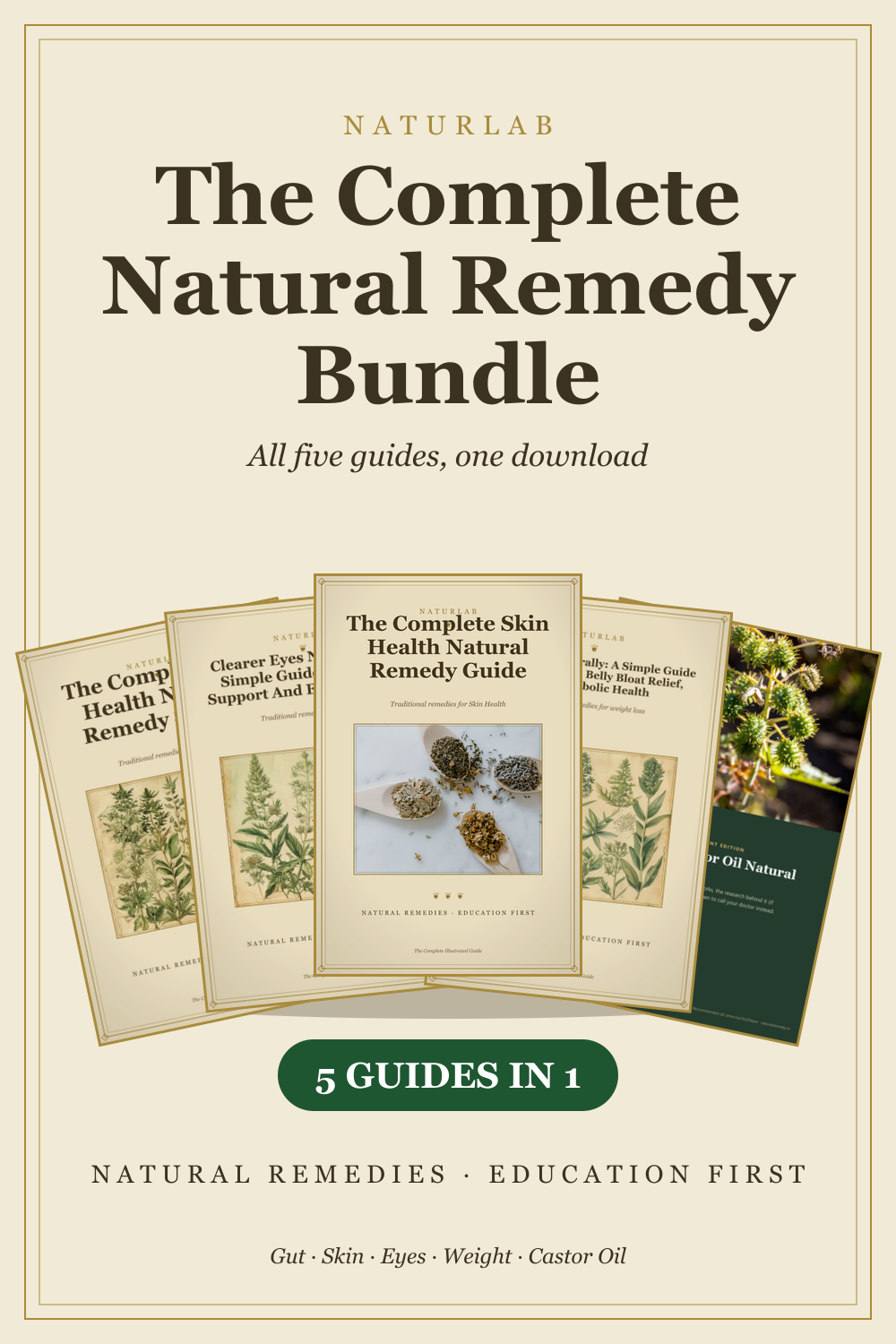
The Complete Natural Remedy Bundle: All 5 Guides
Gut, skin, eyes, weight and castor oil. Every NaturLab guide in one download, for one small price.
$63.93$9.99
The Complete Gut Health Natural Remedy System
A complete natural remedy system for Gut Health.
$29.00$10.99
Clearer Eyes Naturally: Natural Remedies For Your Eyesight
A complete natural remedy system for Vision.
$29.00$15.97