
What Causes Chronic Bad Breath and Natural Fixes That Help
Learn what causes chronic bad breath and explore natural fixes for chronic bad breath, from tongue care to hydration and diet changes that support fresher breath.
Bad breath, or halitosis, is one of those things almost everyone deals with at some point. For most people it comes and goes with meals or a busy morning. But when it sticks around day after day, it usually means something specific is going on in the mouth or body. The good news is that once you understand the cause, the fix is often simple and doesn't require anything scary or complicated.
The Main Causes of Chronic Bad Breath
Most long-lasting bad breath traces back to one of these root issues.
Bacteria on the tongue. The back of the tongue has a rough surface that traps food particles, dead cells, and bacteria. These bacteria break down proteins and release sulfur compounds, which is where a lot of the actual odor comes from. This is the single most common cause of chronic bad breath.
Dry mouth. Saliva rinses away food debris and bacteria all day long. When saliva flow drops, bacteria build up faster and breath odor gets stronger. Dry mouth can happen from breathing through the mouth at night, certain medications, dehydration, or simply not drinking enough water during the day. Stress can also play a role here, since anxiety tends to dry out the mouth and change breathing patterns. If work stress is part of your daily life, it may be worth reading about natural ways to ease everyday anxiety at work, since calmer breathing and less stress can also support a healthier mouth.
Gum and tooth issues. Plaque buildup, gum inflammation, and food trapped between teeth all feed odor-causing bacteria. This is why breath problems often improve once dental issues are addressed.
Diet. Foods like garlic and onion contain sulfur compounds that get absorbed into the bloodstream and released through the lungs, not just the mouth. This means brushing alone won't fully mask it, since it has to work its way out of your system.
Sinus and throat conditions. Postnasal drip, sinus infections, and tonsil stones can all trap bacteria and mucus that produce an unpleasant smell, especially noticeable in the morning.
Natural Fixes That Match Each Cause

Once you know which cause fits your situation, the right natural approach becomes much clearer.
1. Clean the tongue, not just the teeth
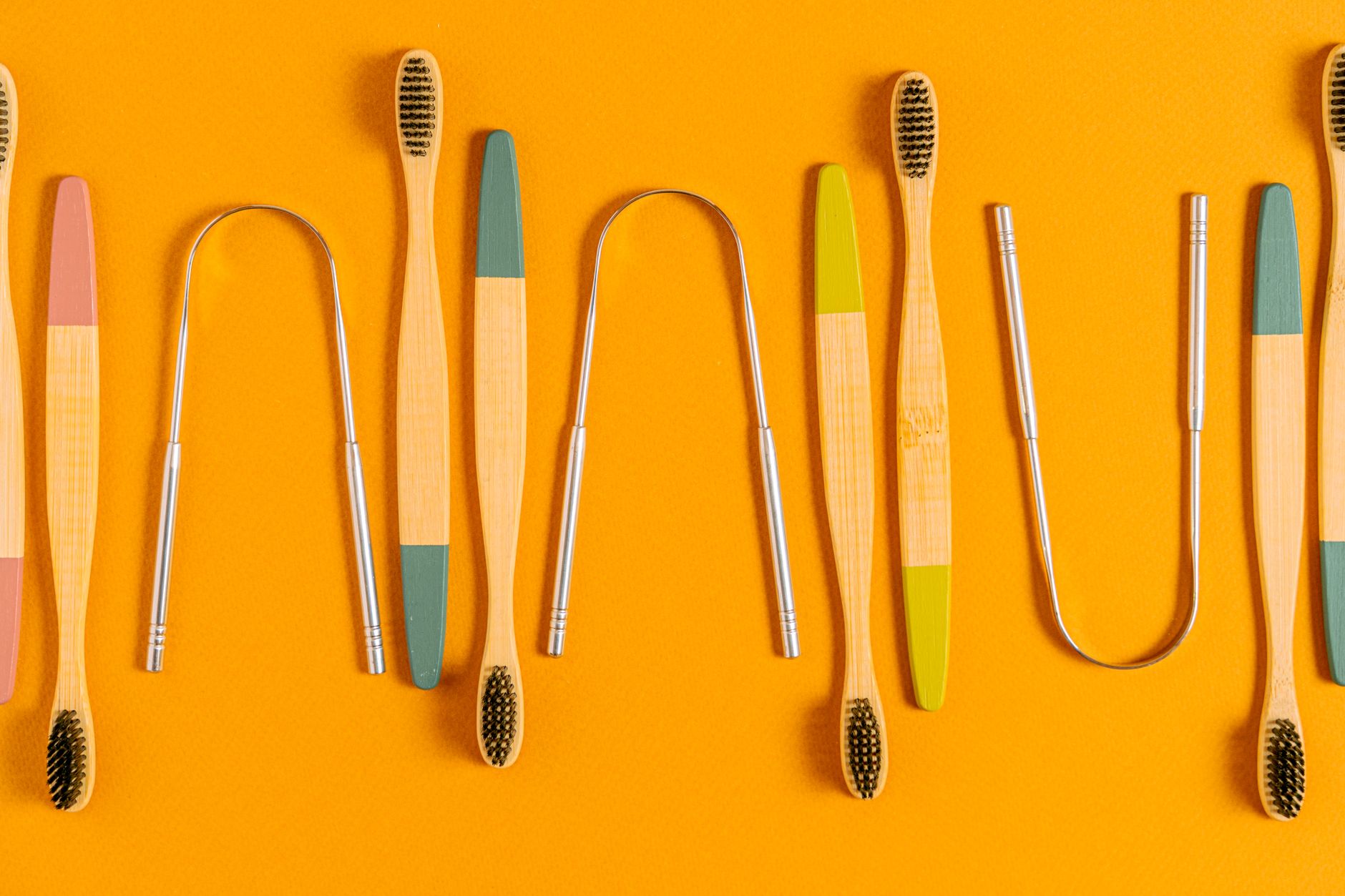
Use a tongue scraper or the back of a soft toothbrush each morning and evening. Gently scrape from back to front a few times. This physically removes the bacteria and coating responsible for most odor, and many people notice a difference within days.
2. Support saliva flow
Drink water regularly throughout the day rather than in one big gulp. Chewing sugar-free gum or crunchy vegetables like celery and carrots can also stimulate saliva naturally. If mouth breathing at night is an issue, addressing nasal congestion may help too.
3. Rinse with natural options
!fresh vegetables and herbs plate A simple saltwater rinse or a diluted green tea rinse can help reduce bacteria levels in the mouth. Green tea contains polyphenols that may help neutralize sulfur compounds, making it a gentle addition to a daily routine.
4. Keep up with gum health basics
Flossing daily removes trapped food and plaque between teeth that a toothbrush can't reach. Combined with regular dental checkups, this addresses the gum-related causes of chronic breath issues at the source.
5. Adjust your diet thoughtfully
Eating more fiber-rich vegetables and fruits can help clean the mouth naturally as you chew. Cutting back on excessive sugar limits food for odor-causing bacteria. If garlic or onion odor lingers, herbs like parsley or mint can offer temporary relief while your body processes the compounds.
6. Address the underlying condition
If sinus congestion or postnasal drip seems to be the trigger, steam inhalation and staying hydrated can help thin mucus. For a broader look at proven options, our guide on natural remedies for bad breath backed by science covers additional approaches worth trying alongside these habits.
Most people find that a combination of tongue cleaning, better hydration, and consistent dental care resolves chronic bad breath within a few weeks. If breath odor persists despite these changes, it's worth checking with a dentist or doctor, since it can sometimes point to an underlying issue like a sinus infection or digestive concern that needs separate attention.
Frequently Asked Questions
Why does my breath smell bad even after brushing? Brushing only cleans the front surfaces of teeth and misses the tongue, gum line, and spaces between teeth where bacteria collect. Adding tongue scraping and flossing to your routine usually closes this gap.
Can chronic bad breath be a sign of a health problem? Sometimes, yes. Persistent bad breath can be linked to gum disease, chronic sinus issues, or digestive conditions. If natural fixes don't help after a few weeks, it's worth mentioning to a healthcare provider.
Does mouthwash actually fix bad breath? Most mouthwashes only mask odor for a short time and some can dry out the mouth further, which may make things worse later. Alcohol-free rinses or natural options like diluted green tea tend to be gentler long-term choices.
How long does it take for natural remedies to improve breath? Many people notice improvement within a few days of consistent tongue cleaning and better hydration. Gum-related causes may take a couple of weeks of improved flossing and dental care to fully settle.
Is bad breath in the morning normal? Yes, morning breath is common because saliva production drops overnight, allowing bacteria to multiply. Drinking water first thing and cleaning the tongue can help reduce it quickly.
Sources
Ready to put this into practice?
More on Natural Remedy For Bad Breath
Related articles you may find helpful.
Our best sellers
Practical, science-backed resources our readers love.

The Complete Natural Remedy Bundle: All 5 Guides
Gut, skin, eyes, weight and castor oil. Every NaturLab guide in one download, for one small price.
$63.93$9.99
The Complete Gut Health Natural Remedy System
A complete natural remedy system for Gut Health.
$29.00$10.99
Clearer Eyes Naturally: Natural Remedies For Your Eyesight
A complete natural remedy system for Vision.
$29.00$15.97