
Natural Remedies for Toenail Fungus at Home: 7 Options to Try
Explore natural remedies for toenail fungus at home, from tea tree oil to vinegar soaks, with honest notes on what the evidence actually shows.
Toenail fungus, known medically as onychomycosis, is one of those conditions that tests your patience. Nails grow slowly, and fungus can hide deep under the nail plate, which is why any treatment, natural or otherwise, usually takes months rather than days to show results. Below is an honest look at some of the more studied natural options, along with what the evidence actually says about each one.

Why toenail fungus is so hard to treat
Before trying any remedy, it helps to understand the challenge. The fungus lives in and under a hard, mostly non-living structure, which makes it difficult for topical treatments to reach the infection fully. That's part of why even prescription antifungal medications often take 6 to 12 months to clear an infection, and natural remedies generally need the same kind of patience and consistency.
1. Tea tree oil

Tea tree oil contains terpinen-4-ol, a compound with documented antifungal activity against the types of fungi that commonly infect nails. In one well-known study, applying 100% tea tree oil twice daily was compared to a standard antifungal solution, and both groups showed modest, roughly similar improvement over several months. Results are generally described as modest rather than dramatic. Apply it undiluted with a cotton swab, but do a patch test first since it can irritate skin in some people, and never take it by mouth.
2. Vicks VapoRub
The camphor, eucalyptus oil, and menthol in this common household product show some antifungal properties in lab research, even though it wasn't designed as an antifungal treatment. A small pilot study had participants apply it daily to infected nails for about a year, and many saw visible improvement, though lab-confirmed clearing of the fungus was less common than the visual changes suggested. It's a low-risk option worth considering, but the research behind it is still preliminary.
3. Vinegar soaks

Fungi generally struggle in acidic environments, and vinegar's acetic acid can slow fungal growth in lab settings. Human trial evidence specific to toenail fungus is limited, so think of a daily 15 to 20 minute soak in diluted vinegar as a low-cost, low-risk habit rather than a proven standalone fix. Avoid it on cracked or broken skin, since it can be drying.
4. Oregano oil
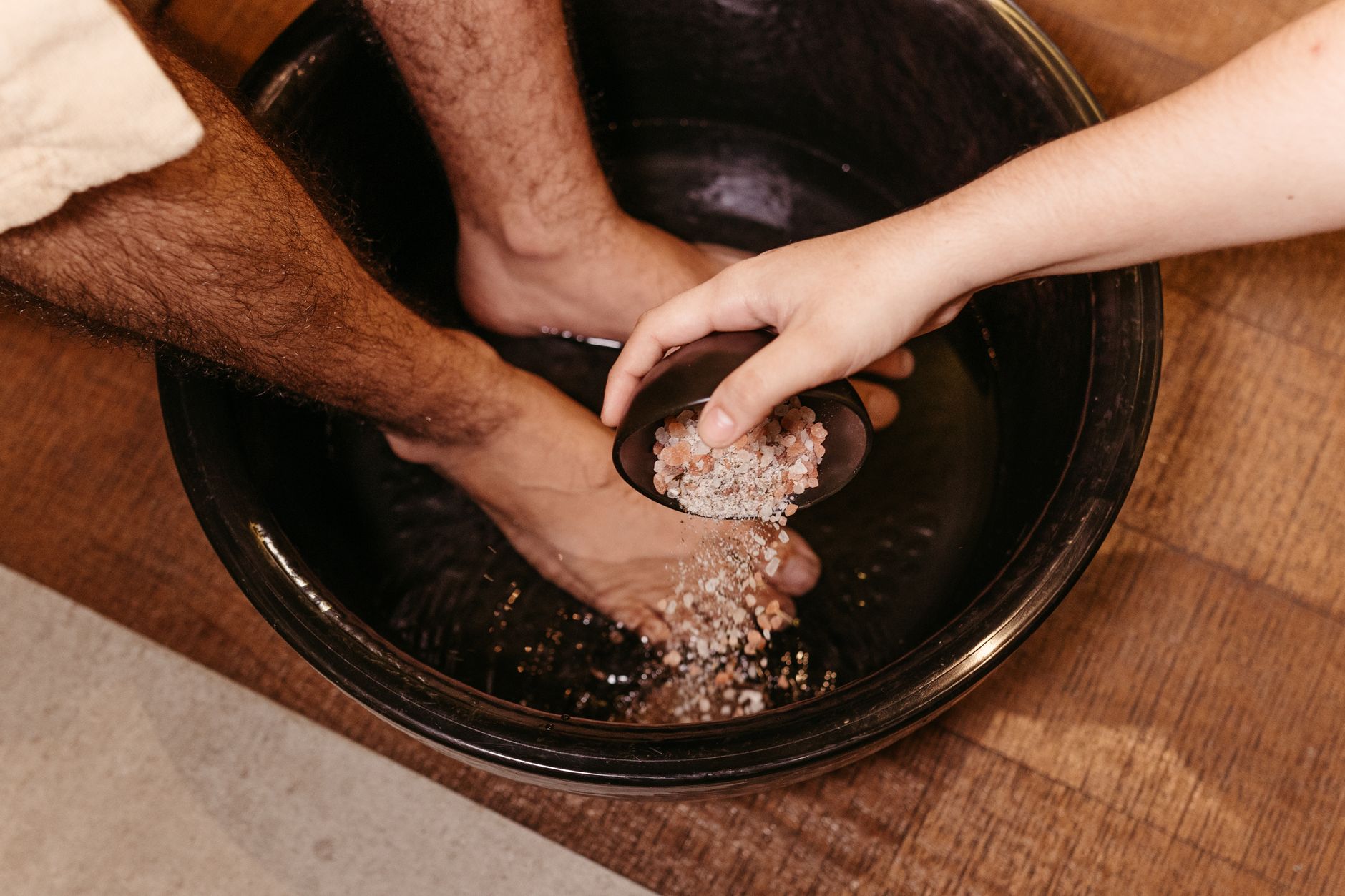
Oregano oil's active compound, carvacrol, shows strong antifungal activity in laboratory studies against several fungal species. Most of this evidence comes from test-tube research rather than human nail trials, so while the mechanism is promising, real-world results for toenail fungus specifically are not well established yet. If you try it, always dilute it in a carrier oil first, since it's potent enough to burn skin undiluted.
5. Snakeroot extract
This plant extract, Ageratina pichinchensis, has been studied more rigorously than most natural options. A randomized trial comparing an 8% snakeroot lacquer to a standard topical antifungal found comparable cure rates between the two after several months of nightly use. It's sold in some countries as an over-the-counter nail lacquer and is generally well tolerated, with mild irritation being the main reported side effect.
6. Ozonized oils
Ozonized sunflower or olive oil produces reactive compounds that may damage fungal cell walls. One trial found that ozonized sunflower oil performed similarly to a standard antifungal cream over three months. Product quality can vary a lot between brands, though, which makes it harder to know exactly what dose you're getting.
7. Baking soda as a supporting habit
Baking soda has mild antifungal and moisture-absorbing properties. It won't clear an infection on its own, but keeping feet dry and slightly less acidic on the surface may help create conditions where fungus struggles to spread. Think of it as supporting your other remedies rather than replacing them.
Habits that support healthy nails
Alongside any topical remedy, a few daily habits make a real difference. Keep nails trimmed short and dry, change socks if your feet sweat, wear breathable shoes, and avoid walking barefoot in damp public areas like locker rooms. These habits reduce the moist environment fungus needs to thrive, and they matter just as much as whatever you're applying to the nail itself. Supporting your body's general defenses matters too. If you're dealing with recurring infections, it's worth reading about how to support your immune system through other everyday issues, like our guides on natural remedies for a sore throat or natural remedies for sinus congestion, since a body that's run down tends to have a harder time fighting off any kind of infection, including fungal ones.
If you want a broader, more structured resource for skin and nail health beyond this single topic, The Complete Skin Health Natural Remedy Guide walks through a fuller natural remedy system for skin health for $10.99. It's not a cure for anything, but it can be a useful reference to keep on hand alongside the remedies above.
Frequently Asked Questions
How long does it take for natural remedies to work on toenail fungus? Most natural approaches need at least 6 to 12 months of consistent daily use, since that matches the time it takes for a new, clear nail to grow out. Improvement is usually gradual, and you may notice the healthy nail growing in from the base before the whole nail looks clear.
Can natural remedies fully cure toenail fungus? Some studies show clinical improvement, meaning the nail looks better, but lab-confirmed elimination of the fungus is less common and harder to achieve with natural remedies alone. Severe or long-standing infections often respond better to a combination approach, sometimes including a doctor's guidance.
Is it safe to use tea tree oil or oregano oil every day? For most people, yes, as long as they're diluted properly and applied only to the nail area. Always patch test first, since both oils can cause skin irritation or allergic reactions in sensitive individuals.
When should I see a doctor instead of trying home remedies? If you have diabetes, poor circulation, a weakened immune system, or the infection is spreading, painful, or not improving after several months, it's worth seeing a healthcare provider. They can confirm the diagnosis and discuss prescription options if needed.
Can I combine more than one natural remedy at a time? You generally can, such as alternating a vinegar soak with a tea tree oil application, but introduce one new remedy at a time so you can watch for skin irritation. Avoid layering multiple undiluted essential oils directly on the skin at once.
Sources
- Contact dermatitis due to tea tree oil - PubMed
- Comparison of two topical preparations for the treatment of onychomycosis: Melaleuca alternifolia (tea tree) oil and clotrimazole - PubMed
- Treatment of toenail onychomycosis with 2% butenafine and 5% Melaleuca alternifolia (tea tree) oil in cream - PubMed
- A Randomized Study to Evaluate the Efficacy of Herbal Ingredients Combined With a Carrier System (Phytonail) Compared With Amorolfine 5% Nail Lacquer (Loceryl) in the Treatment of Toenail Onychomycosis
Ready to put this into practice?
More on Natural Remedy For Toenail Fungus
Related articles you may find helpful.
Our best sellers
Practical, science-backed resources our readers love.

The Complete Natural Remedy Bundle: All 5 Guides
Gut, skin, eyes, weight and castor oil. Every NaturLab guide in one download, for one small price.
$63.93$9.99

The Complete Gut Health Natural Remedy System
A complete natural remedy system for Gut Health.
$29.00$10.99

Clearer Eyes Naturally: Natural Remedies For Your Eyesight
A complete natural remedy system for Vision.
$29.00$15.97