
7 Natural Remedies for a Sore Throat You Can Try at Home
Explore natural remedies for sore throat relief at home, from salt water gargles to honey and zinc, backed by simple, clear explanations.
A sore throat is one of the most common reasons people reach for home remedies before anything else. Most sore throats come from viral infections and clear up on their own within about five to seven days. In the meantime, there are several natural, low-risk approaches with real research behind them that can ease pain and make the wait more comfortable.
Here is what the evidence actually shows about the most commonly used natural remedies for sore throat at home.
1. Honey
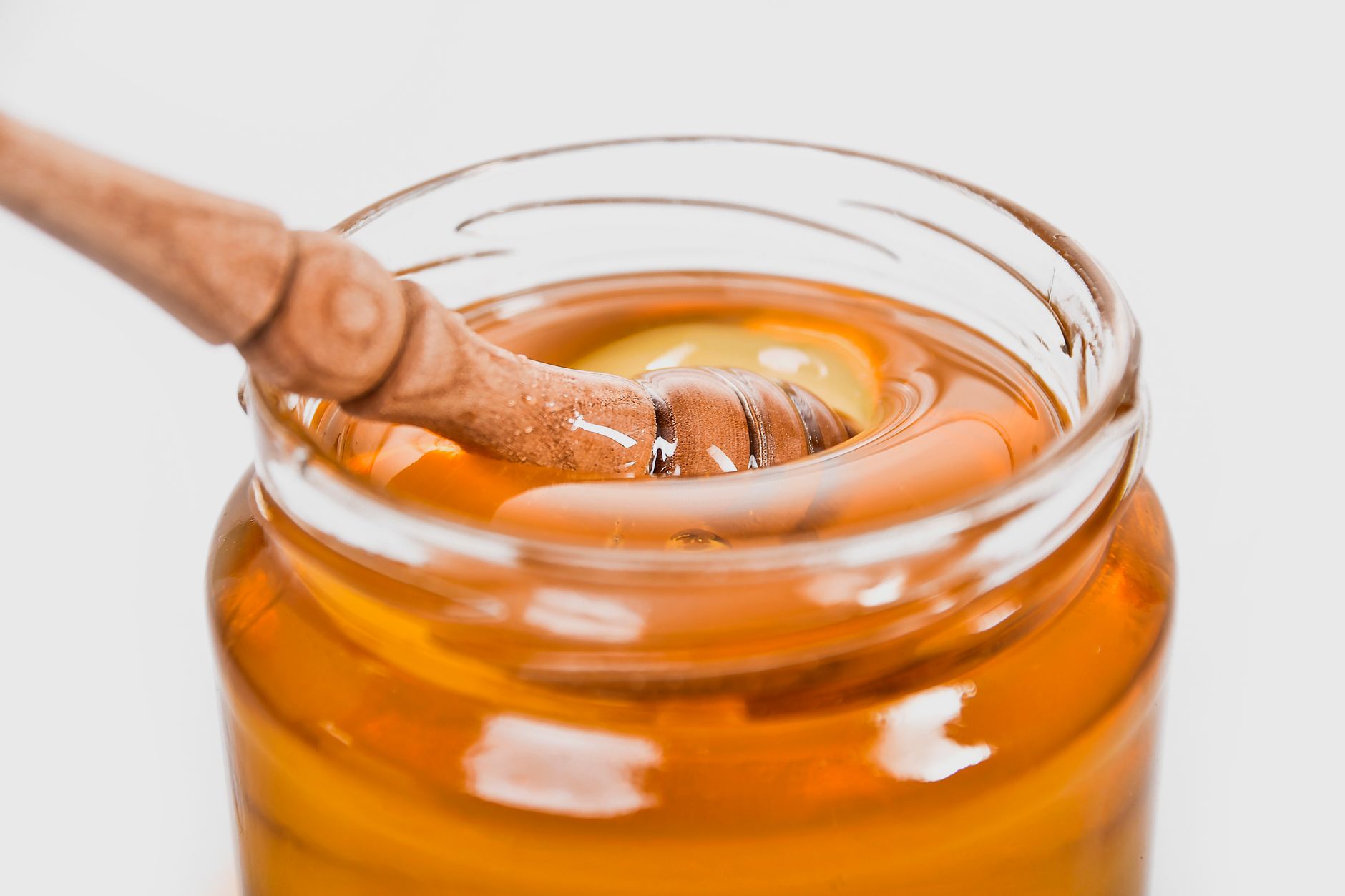
Honey is one of the better studied natural sore throat remedies. Its thick texture coats and soothes irritated throat tissue, and it has mild antibacterial and antioxidant properties. Research comparing honey to standard over the counter remedies for upper respiratory symptoms, including throat irritation and cough, has generally found honey performs at least as well, and sometimes better.
Try a spoonful of honey on its own, or stirred into warm water or tea, a few times a day. Never give honey to infants under 12 months old because of the risk of infant botulism, and if you have diabetes, keep the added sugar in mind.
2. Salt Water Gargle

Warm salt water is a classic remedy because it genuinely works. Through simple osmosis, it draws fluid out of swollen throat tissue, which temporarily reduces inflammation. It also helps loosen mucus and rinse away irritants from the throat surface. This is one of the most widely recommended home measures by mainstream medical sources.
Dissolve about half a teaspoon of salt in eight ounces of warm water and gargle for thirty seconds, several times a day. This isn't suitable for young children who can't reliably gargle without swallowing, and gargling too often with strong salt water can dry out the tissue further.
3. Licorice Root
Licorice root has solid clinical evidence, mostly in a specific setting: reducing sore throat after surgery involving a breathing tube. Several trials have found that gargling with a licorice solution before anesthesia lowers the chance and severity of a sore throat afterward, likely due to its anti-inflammatory and coating properties.
For everyday sore throats, licorice tea or lozenges are used more on traditional grounds, since the strongest trial evidence is tied to the surgical context. Licorice can raise blood pressure and lower potassium with regular heavy use, so avoid it if you have high blood pressure, heart or kidney disease, or are pregnant. Deglycyrrhizinated licorice, or DGL, avoids this particular risk.
4. Zinc Lozenges
Zinc has been studied extensively for the common cold, and sore throat is one of the symptoms tracked in these trials. Reviews of zinc lozenges have found that starting zinc within 24 hours of symptom onset can shorten the overall duration of cold symptoms, including throat soreness, by roughly a day or more. It's thought to work by interfering with viral replication and reducing inflammation in the throat tissue.
Look for lozenges providing at least 75 mg of elemental zinc per day, started early in the illness, and let them dissolve slowly rather than swallowing them whole so the zinc contacts the throat directly. Zinc can cause nausea or a bad taste, and doses should not be pushed beyond what's recommended.
5. Warm Fluids and Herbal Tea

Simple warmth and hydration soothe irritated throat tissue and keep mucus thin, which reduces the coughing that tends to make a sore throat worse. Herbal teas such as chamomile or ginger add mild anti-inflammatory effects on top of the basic soothing benefit of warm liquid. This kind of supportive care is a common thread across many respiratory complaints, including sinus congestion and pressure, where warm fluids also play a helpful role.
Sip warm, not scalding, tea, broth, or warm water with lemon and honey throughout the day. Liquids that are too hot can further irritate an already inflamed throat, so let them cool slightly first.
6. Humidified Air and Rest
Dry air can make a sore throat feel worse by further irritating already inflamed tissue, especially overnight. Running a humidifier, or simply sitting in a steamy bathroom for a few minutes, adds moisture back into the air you breathe, which can ease throat discomfort and reduce coughing. Rest matters too, since your immune system needs energy to fight off whatever virus is causing the irritation in the first place.
Keep humidifiers clean to avoid mold or bacteria buildup, and aim for a comfortable, not overly damp, level of humidity in the room.
7. Slippery Elm or Marshmallow Root
Both of these are traditional demulcent herbs, meaning they form a soothing, gel-like coating when mixed with water. This coating can temporarily ease the raw, scratchy feeling of a sore throat. They're most often used as lozenges or teas, and while formal clinical trials specifically for sore throat are limited, their soothing mechanism is well understood and they carry a low risk profile for most healthy adults.
Follow the dosing instructions on the product you choose, since concentrations vary. Discomfort that doesn't fit a normal cold, like other body discomforts such as period cramps, often responds well to similarly gentle, natural approaches without medication, so it can be worth exploring simple home care broadly rather than reaching for medication first.
When to See a Doctor
Most sore throats improve on their own within a week with simple home care. See a doctor if your sore throat is severe, lasts longer than a week, comes with a high fever, difficulty swallowing or breathing, a rash, or swollen glands that don't improve. These can be signs of a bacterial infection like strep throat, which needs different treatment.
Frequently Asked Questions
Can I combine several of these remedies at once? Yes, most of these remedies work through different mechanisms, so combining a salt water gargle with warm tea and honey, for example, is generally safe and often more effective than relying on just one approach.
How long should I try home remedies before seeing a doctor? If a sore throat isn't improving after five to seven days, or if it's getting worse instead of better, it's a good time to check in with a doctor, especially if you also have a high fever or trouble swallowing.
Is honey safe for children with a sore throat? Honey is generally considered safe for children over one year old and is often used as a gentle remedy for throat and cough symptoms. It should never be given to infants under 12 months due to the risk of infant botulism.
Do zinc lozenges work for every sore throat? Zinc lozenges appear most helpful when a sore throat is part of a cold and started early in the illness. They're less likely to help if the sore throat has a different cause, such as allergies or a bacterial infection.
Why does a salt water gargle sting a little? A mild stinging sensation is normal, especially if the water is too salty or too warm. If it's uncomfortable, try a slightly weaker solution or let the water cool a bit more before gargling.
Can dry air really make a sore throat worse? Yes, dry air can further irritate throat tissue that's already inflamed, which is why many people notice their sore throat feels worse overnight or in heated rooms. A humidifier or a few minutes in a steamy bathroom can help offset this.
Sources
- Efficacy of Corticosteroids for Sore Throat Management in Adults: A Systematic Review and Meta-Analysis of Randomized Trials
- These 8 Sore Throat Home Remedies Actually Work
- Evaluating the Therapeutic Properties of Natural Products in Orthodontic and Surgical Treatment of Dentofacial Deformities: A Systematic Review of Clinical Trials
- Sore throat - PMC - NIH
Ready to put this into practice?
More on Natural Remedy For Sore Throat
Related articles you may find helpful.
Our best sellers
Practical, science-backed resources our readers love.
The Complete Natural Remedy Bundle: All 5 Guides
Gut, skin, eyes, weight and castor oil. Every NaturLab guide in one download, for one small price.
$63.93$9.99

The Complete Gut Health Natural Remedy System
A complete natural remedy system for Gut Health.
$29.00$10.99

Clearer Eyes Naturally: Natural Remedies For Your Eyesight
A complete natural remedy system for Vision.
$29.00$15.97