
7 Natural Remedies for Anxiety That Are Backed by Research
Explore natural remedies for anxiety, from herbs and breathwork to exercise and mindfulness, and learn why each approach may help ease everyday stress.
Anxiety is one of the most common reasons people search for natural ways to feel calmer. While therapy and medication remain important tools for many people, especially with moderate to severe anxiety, a growing body of research also supports several simple, everyday practices that can help ease tension and support a calmer nervous system.
It is worth saying clearly: natural remedies are not a cure for anxiety disorders, and they work best as part of a broader approach that may include professional support. But for everyday stress and mild anxiety, the following options have real evidence behind them and are worth understanding.

1. Try Calming Herbs Like Chamomile and Lavender
Certain herbs have a long history of use for anxiety, and some now have clinical research behind them. According to the Mayo Clinic, herbal treatments such as chamomile and lavender have shown promise in small studies for reducing symptoms of mild to moderate anxiety. Chamomile, often taken as a tea or supplement, appears to have mild calming effects, while lavender, used as aromatherapy or in capsule form, may help reduce restlessness and tension.
Why it works: researchers believe these herbs may interact with certain brain chemicals involved in mood regulation, though the exact mechanisms are still being studied. It is important to talk with a doctor before starting any herbal supplement, especially if you take other medications, since herbs can interact with prescriptions.
2. Move Your Body Regularly

Exercise is one of the most well-studied natural approaches for anxiety. Harvard Health notes that regular physical activity can reduce anxiety symptoms by lowering overall tension, improving sleep, and boosting self-esteem. Even moderate activity, like a brisk 20 to 30 minute walk most days of the week, has been linked to measurable improvements in mood.
Why it works: exercise helps the body process stress hormones like cortisol and adrenaline more efficiently. It also encourages the release of endorphins, which support a more stable mood, and gives the mind a break from anxious thought loops by shifting focus to the body.
Simple ways to build movement into your day
- Take a short walk after meals instead of sitting right away.
- Choose stairs over elevators when possible.
- Try a beginner yoga or stretching routine a few times a week.
- Set a reminder to stand and move for five minutes every hour if you work at a desk.
3. Practice Mindfulness and Meditation
Mindfulness based practices, including meditation and mindfulness based stress reduction (MBSR), have been studied extensively for anxiety. The National Center for Complementary and Integrative Health (NCCIH) reports that mindfulness meditation may help reduce anxiety symptoms, and some studies show effects comparable to certain standard treatments for generalized anxiety.
Why it works: mindfulness trains attention toward the present moment rather than worries about the future or regrets about the past. Over time, this can reduce the intensity and frequency of anxious thought spirals and help people respond to stress with more awareness instead of automatic reaction.
4. Use Slow, Deep Breathing to Calm the Nervous System
Breathwork is a simple, accessible tool that can be used anywhere, anytime anxiety spikes. Slow diaphragmatic breathing, where you breathe deeply into the belly rather than shallowly into the chest, has been shown to activate the parasympathetic nervous system, the part of the body responsible for rest and calm.
Why it works: slow exhalation in particular signals safety to the nervous system, which can lower heart rate and reduce the physical sensations of anxiety, like a racing heart or tight chest. A common technique is inhaling for four counts, holding for four, and exhaling for six to eight counts.
5. Prioritize Consistent, Quality Sleep
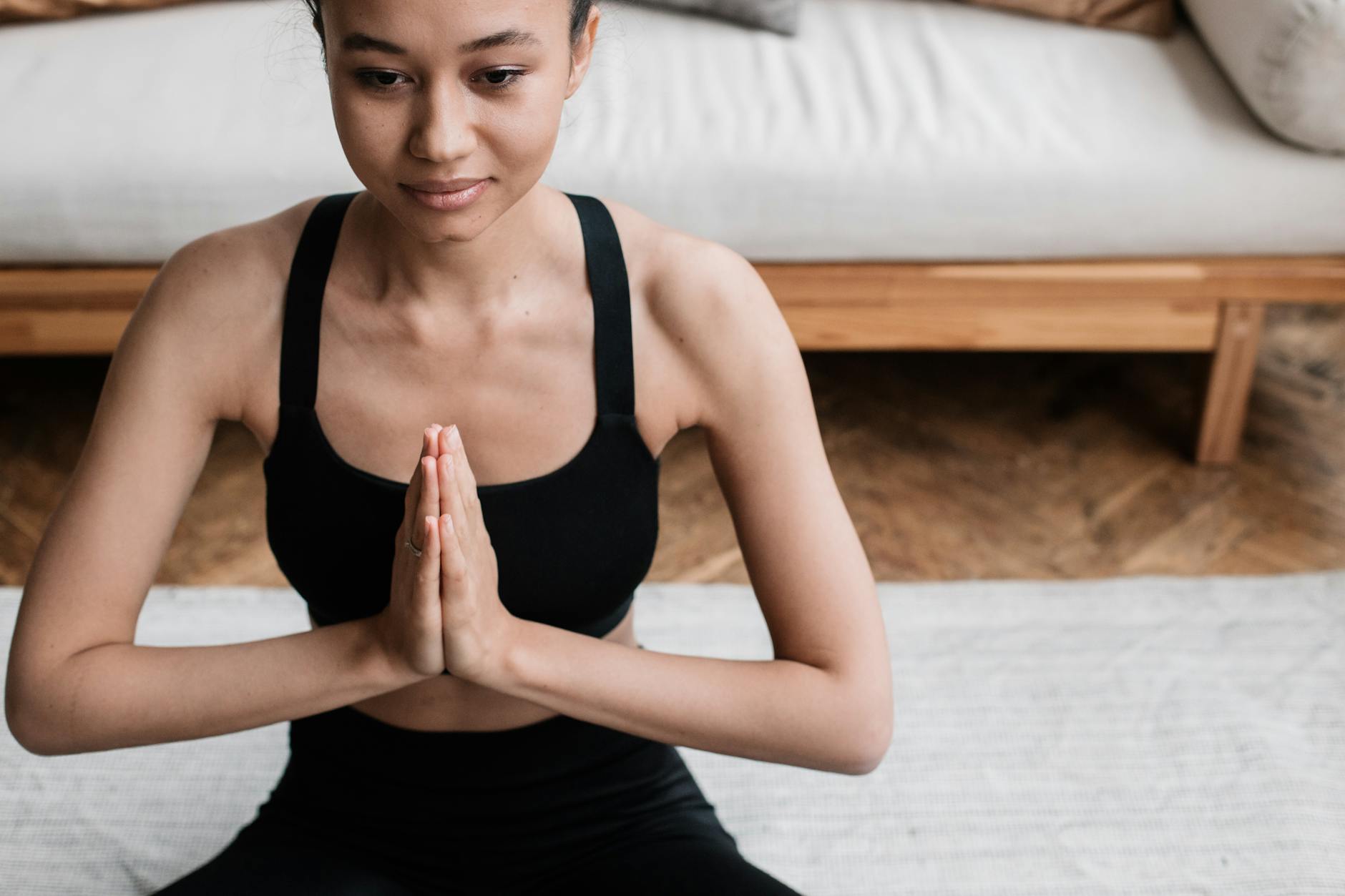
Anxiety and poor sleep often feed into each other. Lack of sleep can heighten emotional reactivity, while anxiety can make it harder to fall or stay asleep. Building a consistent sleep routine, going to bed and waking at similar times, limiting screens before bed, and keeping the bedroom cool and dark, can help break this cycle over time.
Why it works: sleep is when the brain processes emotional experiences and regulates stress hormones. Chronic sleep deprivation has been linked to increased activity in the brain's fear center, the amygdala, making anxious feelings more intense and harder to manage.
6. Limit Caffeine and Pay Attention to Diet
Caffeine can mimic or intensify physical symptoms of anxiety, such as a racing heart, jitteriness, and restlessness, especially in people who are sensitive to it. Cutting back, or switching some cups of coffee for herbal tea, is a simple experiment worth trying. Diet more broadly also plays a role. Balanced meals with steady blood sugar can help prevent the irritability and shakiness that sometimes gets mistaken for anxiety.
Why it works: caffeine stimulates the same physiological stress response, the release of adrenaline, that anxiety does. For people who are prone to anxiety, this overlap can make symptoms feel worse, even if caffeine is not the root cause.
7. Build a Simple, Consistent Daily Routine
Uncertainty and unpredictability tend to fuel anxiety. Having a simple daily structure, regular meal times, a consistent wind down routine before bed, and set times for movement or relaxation, gives the mind fewer unknowns to worry about. This does not need to be rigid, but a loose rhythm can offer a sense of stability.
Why it works: predictability reduces the mental load of constant decision making and anticipation, both of which can heighten anxious feelings. A steady routine also makes it easier to consistently apply other remedies on this list, like exercise, sleep habits, or mindfulness practice.
If you are also managing other health concerns alongside anxiety, it can help to look at your overall wellness picture. For example, digestive discomfort can add to daily stress, and our guide to natural remedies for acid reflux that are actually backed by research covers evidence based options worth knowing about. Skin concerns can also weigh on mental wellbeing, and our piece on natural remedies for acne backed by real research offers a similar evidence based approach.
Frequently Asked Questions
Can natural remedies replace medication or therapy for anxiety? No. Natural remedies can support everyday calm and may help with mild symptoms, but they are not a replacement for professional treatment, especially for diagnosed anxiety disorders. Always talk with a healthcare provider about the right approach for your situation.
How long does it take for natural remedies to help with anxiety? It varies widely. Breathing techniques can offer relief within minutes, while habits like exercise, mindfulness, or dietary changes often take several weeks of consistent practice before effects become noticeable.
Are herbal supplements like chamomile or lavender safe to take daily? Many people use them without issue, but herbs can interact with medications and are not well studied for long term daily use in everyone. Check with a doctor or pharmacist before starting any herbal supplement, particularly if you are pregnant, nursing, or on other medications.
Is exercise really effective for anxiety, or is that overstated? Research, including reviews from Harvard Health, consistently shows that regular physical activity is linked to reduced anxiety symptoms. It is not a guaranteed fix for everyone, but it is one of the more consistently supported natural approaches available.
What is the simplest remedy to start with if I feel overwhelmed? Slow, deep breathing is often the easiest starting point since it requires no equipment or preparation and can be done anywhere. From there, adding a short daily walk or a few minutes of mindfulness practice can build on that foundation.
Sources
Ready to put this into practice?
More on Natural Remedy For Anxiety
Related articles you may find helpful.
Our best sellers
Practical, science-backed resources our readers love.
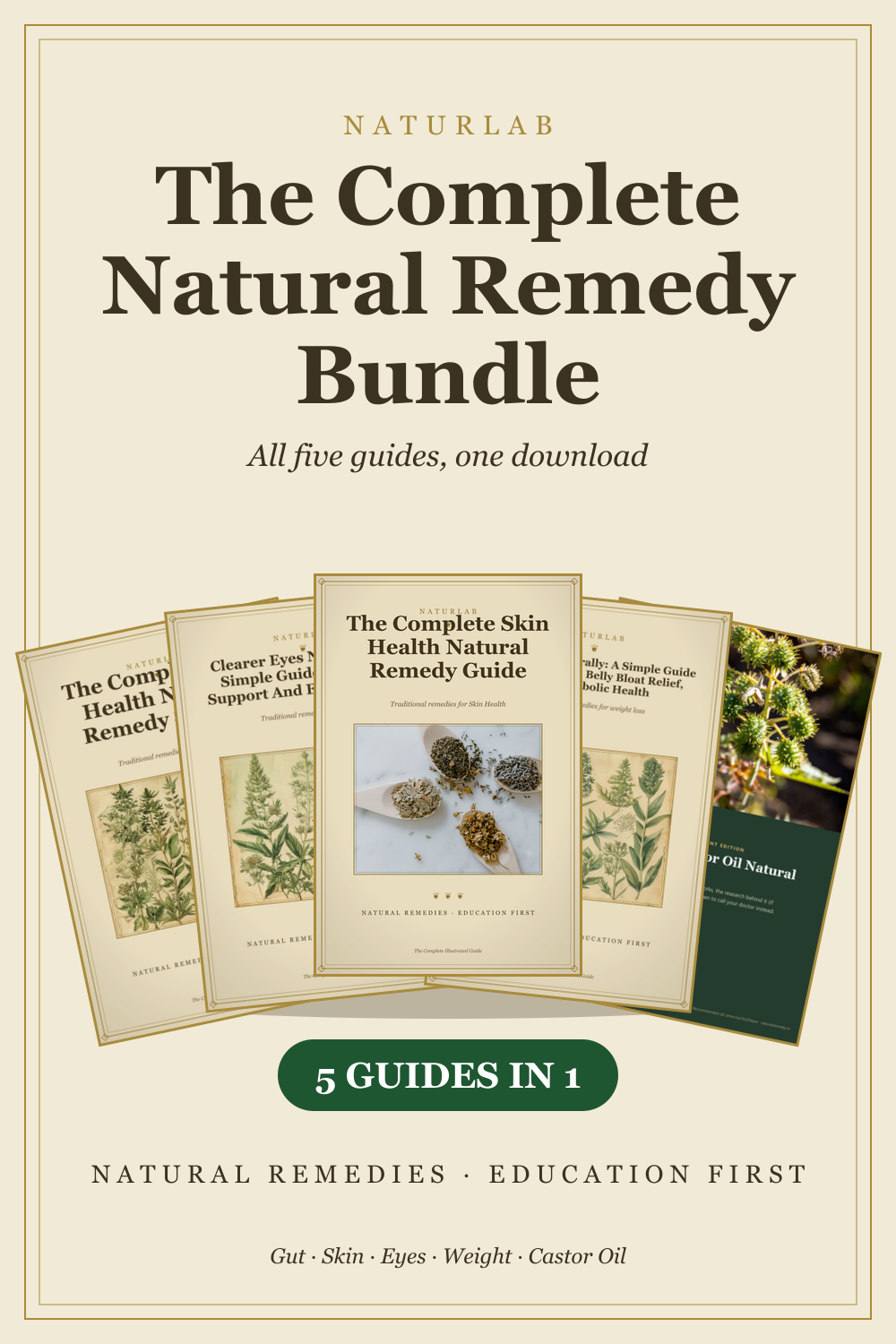
The Complete Natural Remedy Bundle: All 5 Guides
Gut, skin, eyes, weight and castor oil. Every NaturLab guide in one download, for one small price.
$63.93$9.99
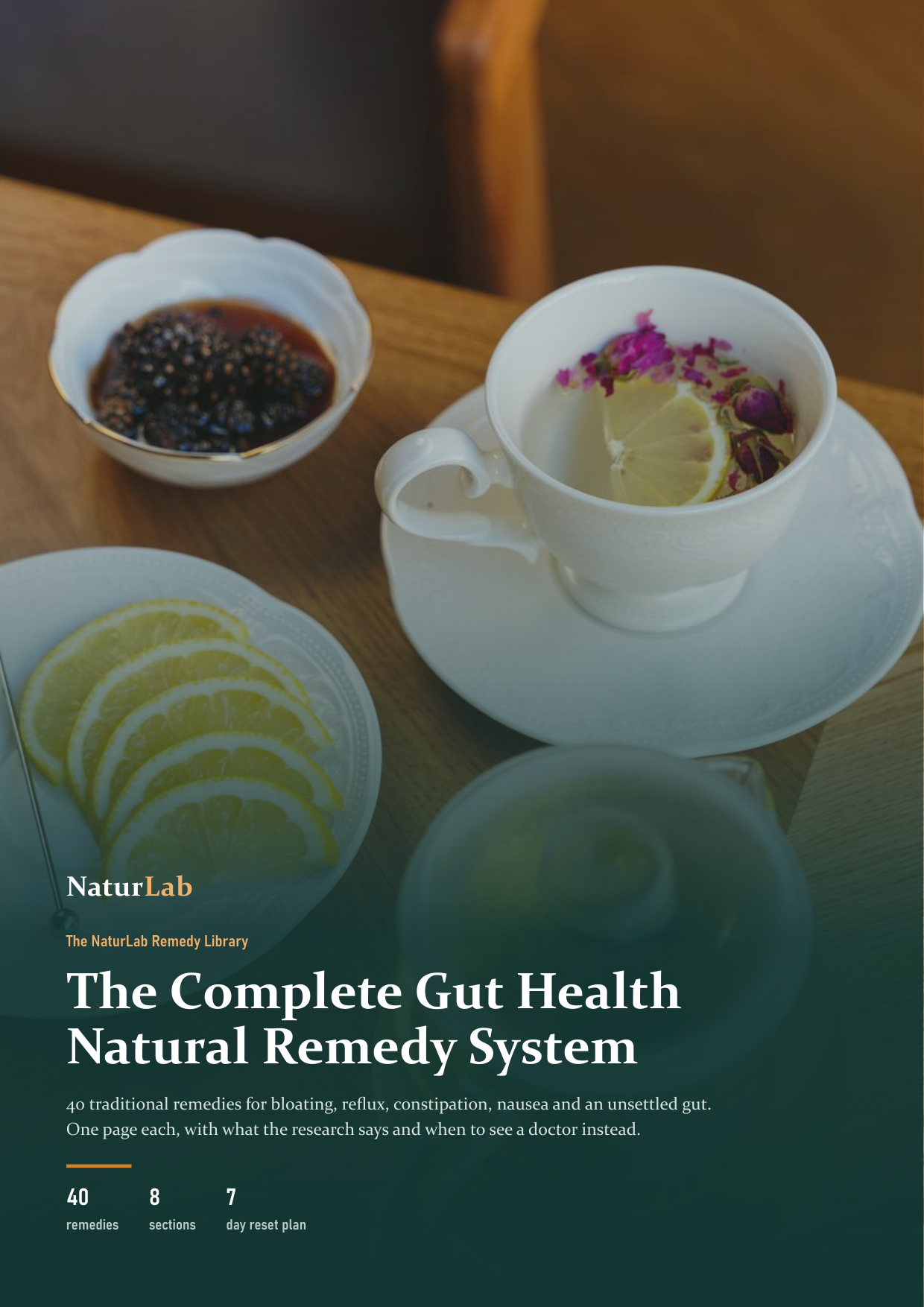
The Complete Gut Health Natural Remedy System
A complete natural remedy system for Gut Health.
$29.00$10.99
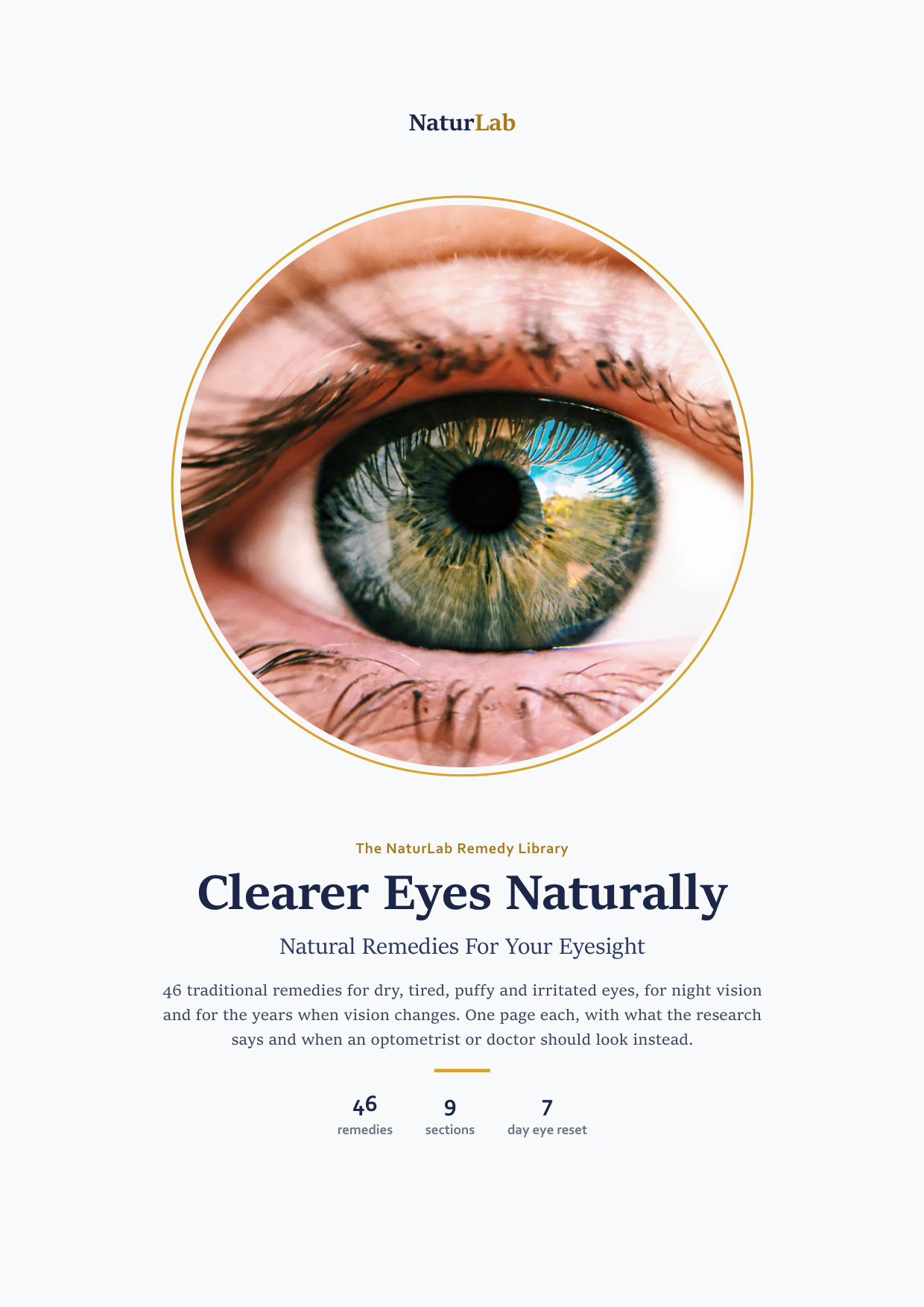
Clearer Eyes Naturally: Natural Remedies For Your Eyesight
A complete natural remedy system for Vision.
$29.00$15.97