
Feeling Anxious Right Now? Quick Relief Today and Calm That Lasts
Feeling anxious right now? Try these natural remedy for anxiety steps you can do today with things you already have at home, plus habits for lasting calm.
If anxiety has hit you today, you don't need a special kit to start feeling steadier. Most of what helps in the moment is already in your home or your own body. This guide walks through what to do right now, using simple tools you likely have, and then what to build into your routine for calm that holds up over time.

What to Do Right Now
When anxiety spikes, your nervous system is stuck in an alert state. The fastest way to shift out of it is through your body, not your thoughts. Here are steps you can try in the next five minutes.
1. Slow your breath on purpose
Sit or stand comfortably. Breathe in through your nose for a count of four, hold for four, then breathe out slowly for six to eight counts. A longer exhale than inhale signals to your body that it's safe to relax. Repeat this for two to three minutes. This is one of the quickest, most reliable tools and it costs nothing.
2. Splash cold water on your face or wrists
Cold water on the face, especially around the eyes and temples, can trigger a calming reflex that slows the heart rate. If you don't want to splash your face, holding a cold glass or an ice cube wrapped in a cloth against your wrists works too.
3. Name what you notice around you
Look around the room and quietly name five things you can see, four you can touch, three you can hear, two you can smell, and one you can taste. This simple grounding exercise pulls attention away from racing thoughts and back into the present moment.
4. Make a warm drink and sip it slowly
Chamomile tea has mild calming properties and the ritual of making a warm drink, holding the cup, and sipping slowly gives your hands and mind something steady to focus on. Herbal tea without caffeine is a better choice here, since caffeine can intensify anxious feelings.
5. Move your body for a few minutes
A short walk, some stretching, or even pacing around a room can burn off some of the stress chemicals your body has released. You don't need a workout, just enough movement to shift the physical tension.
6. Write down what's on your mind
Grab any piece of paper and write out what's worrying you, even in messy, unfinished sentences. Getting thoughts out of your head and onto paper often makes them feel more manageable and less overwhelming.
What to Do for Lasting Relief

Quick techniques help in the moment, but easing anxiety long term usually comes from small, consistent habits rather than one big fix.
Build a regular sleep routine. Poor sleep and anxiety feed each other. Going to bed and waking up at similar times each day, even on weekends, helps regulate the stress hormones that influence how anxious you feel.
Move your body most days. Regular, moderate exercise like walking, cycling, or swimming has been shown to ease anxiety symptoms over time, likely by lowering stress hormones and improving sleep quality.
Watch your caffeine and alcohol intake. Both can disrupt sleep and amplify anxious feelings, especially when consumed later in the day or in larger amounts.
Practice breathing or relaxation exercises daily, not just during a crisis. Doing the four count breathing exercise above for a few minutes every day, even when you feel calm, trains your nervous system to settle more easily when stress does show up.
Consider specific herbs with some research support. Options like ashwagandha, lemon balm, and passionflower have been studied for their calming effects, though results vary and they work best as part of a broader routine, not a standalone fix. For a deeper look at the evidence behind these, see our guide to 7 natural remedies for anxiety that are backed by research.
Address specific triggers. If your anxiety tends to show up around work deadlines, meetings, or a demanding schedule, it helps to look at those patterns directly. Our article on what causes everyday anxiety at work and natural ways to ease it breaks down common triggers and practical adjustments.
Stay connected to people. Talking with a friend or family member, even briefly, can lower feelings of isolation that often make anxiety worse. You don't need to explain everything, just checking in with someone can help.
When to Seek Extra Support

These steps are meant to ease everyday anxiety, not replace professional care. If anxiety is constant, interferes with daily life, or comes with physical symptoms like chest pain or trouble breathing, it's worth speaking with a doctor or mental health professional. Natural approaches work well alongside, not instead of, proper medical guidance when anxiety is more severe.
Frequently Asked Questions
How quickly can breathing exercises calm anxiety? Many people notice some relief within two to three minutes of slow, controlled breathing, especially when the exhale is longer than the inhale. The effect builds with practice, so doing it regularly, not just during spikes, tends to work best.
Is chamomile tea actually effective for anxiety? Some research suggests chamomile has mild calming properties, though it's not a strong standalone treatment. The warmth, ritual, and act of slowing down to drink it likely contribute as much as the herb itself.
Can exercise really help anxiety, or is that overstated? Regular moderate exercise has fairly consistent research support for easing anxiety symptoms over time. It doesn't need to be intense, a daily walk can make a measurable difference when done consistently.
What's the difference between everyday anxiety and an anxiety disorder? Everyday anxiety tends to be tied to specific situations and passes once the situation resolves. An anxiety disorder involves more persistent, intense worry that affects daily functioning and often needs professional support alongside natural approaches.
Should I avoid caffeine completely if I have anxiety? You don't necessarily need to cut it out entirely, but reducing intake, especially later in the day, can help since caffeine can mimic or worsen anxious physical sensations like a racing heart.
Can these at home steps replace therapy or medication? No. These techniques can ease everyday anxious moments and support overall calm, but they aren't a substitute for professional treatment if anxiety is persistent or severe. They work well as a complement to professional care, not a replacement.
Sources
- Box Breathing for Anxiety, Pain and Nausea in ERCP Patients
- Box breathing and prolonged exhalation reduces markers of physiological stress reactivity in response to a virtual trier social stress test - PMC
- Anti-Stress Intervention Among Physicians Study
- Structured Breathing Exercises as a Mental Health Intervention for Young Individuals with Anxiety and Depression: A Randomized Controlled Trial Protocol - PMC
Ready to put this into practice?
More on Natural Remedy For Anxiety
Related articles you may find helpful.
What Causes Everyday Anxiety at Work and Natural Ways to Ease It
Learn what actually drives everyday work anxiety and explore natural, evidence-informed ways to calm your body and mind during the workday.
Read more →7 Natural Remedies for Anxiety That Are Backed by Research
Explore natural remedies for anxiety, from herbs and breathwork to exercise and mindfulness, and learn why each approach may help ease everyday stress.
Read more →Our best sellers
Practical, science-backed resources our readers love.
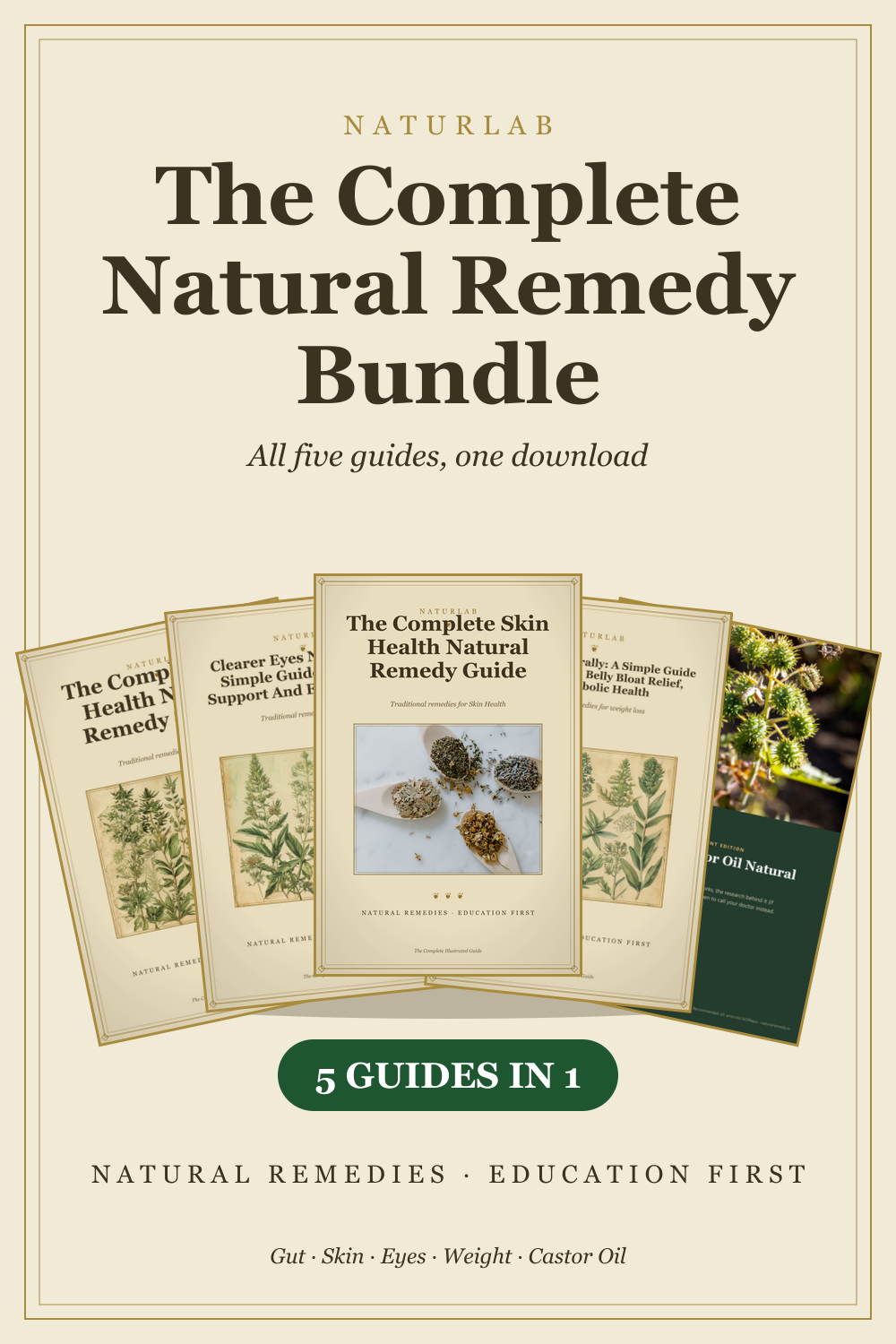
The Complete Natural Remedy Bundle: All 5 Guides
Gut, skin, eyes, weight and castor oil. Every NaturLab guide in one download, for one small price.
$63.93$9.99
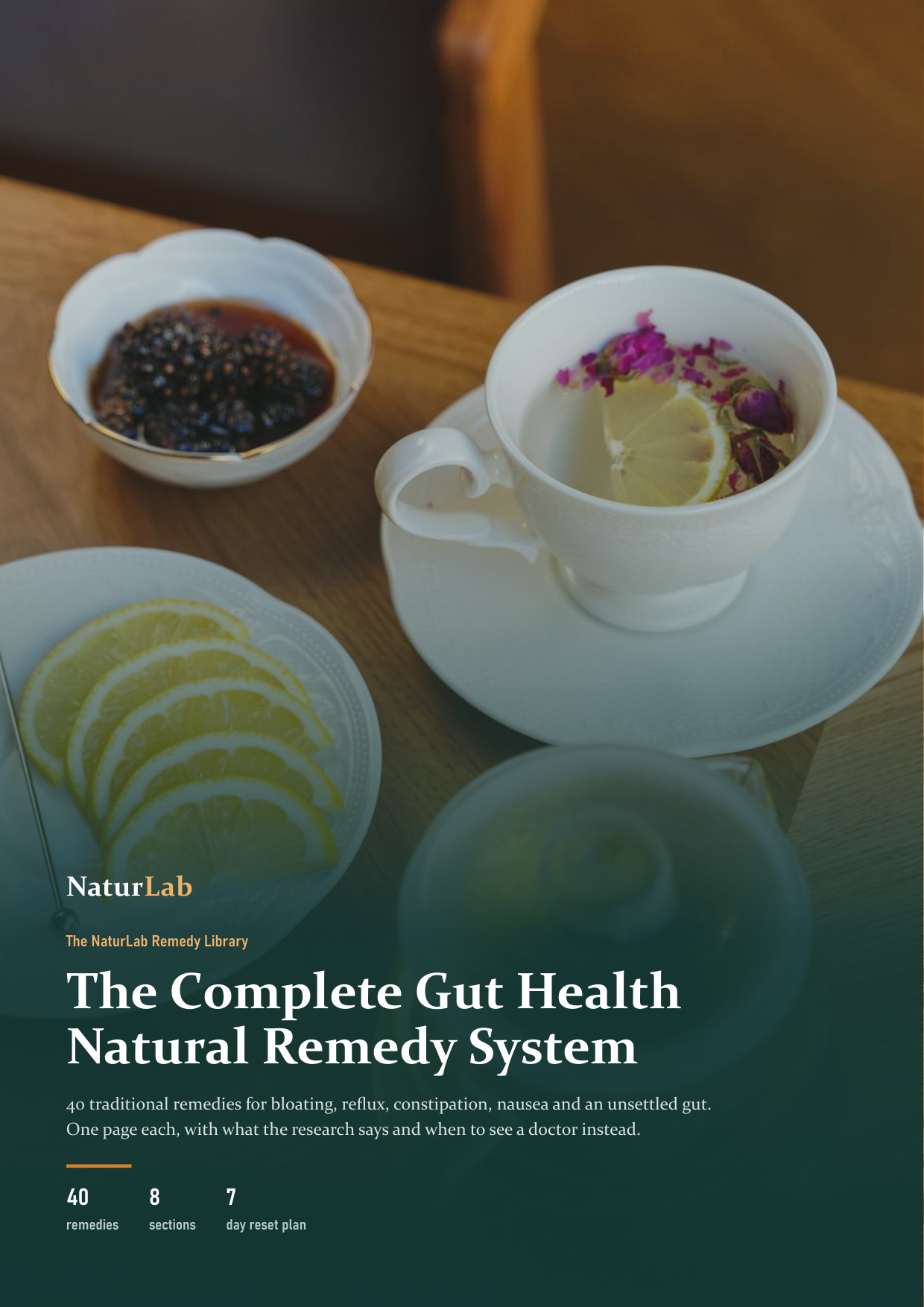
The Complete Gut Health Natural Remedy System
A complete natural remedy system for Gut Health.
$29.00$10.99
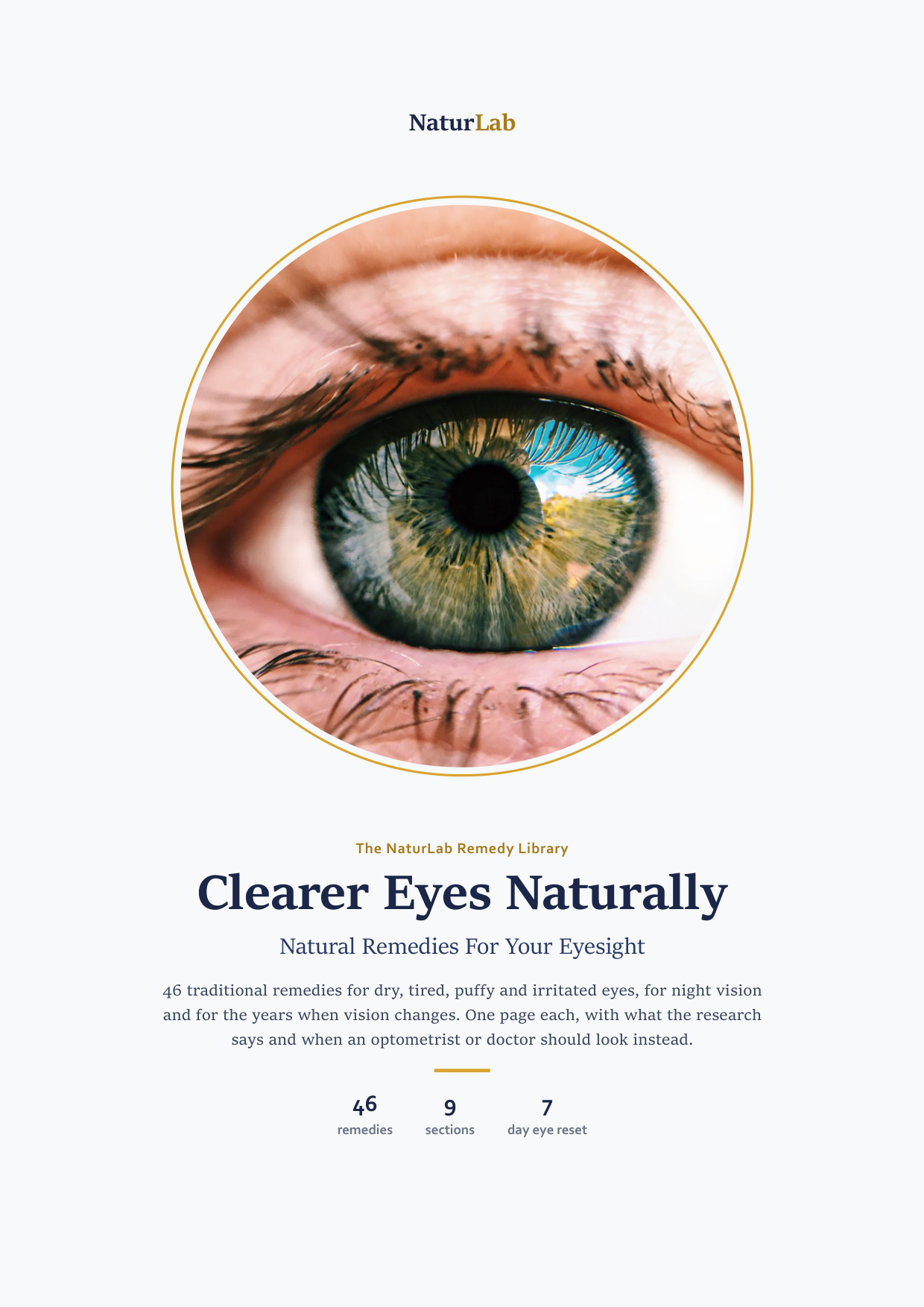
Clearer Eyes Naturally: Natural Remedies For Your Eyesight
A complete natural remedy system for Vision.
$29.00$15.97