
What Causes Bloating After Eating and Natural Ways to Fix It
Learn what really causes bloating after eating and explore natural, evidence-informed remedies that target each underlying cause of digestive discomfort.
Bloating after eating is one of the most common digestive complaints, and also one of the most misunderstood. That tight, swollen feeling after a meal is rarely dangerous, but it can be uncomfortable and confusing. Understanding what causes bloating after eating is the first step toward finding remedies that actually help, instead of just masking the discomfort.
What Bloating After Eating Actually Is
Bloating is the sensation of fullness, pressure, or distension in the belly. Interestingly, studies using imaging have shown that people who feel bloated often don't have much more gas in their gut than people who don't. Instead, their gut is more sensitive to normal amounts of gas and stretching. This is called visceral hypersensitivity, and it explains why two people can eat the same meal and only one of them feels bloated afterward.
That said, there are real, physical reasons bloating happens after eating too.
The Main Causes of Bloating After Eating
1. Fermentation by gut bacteria
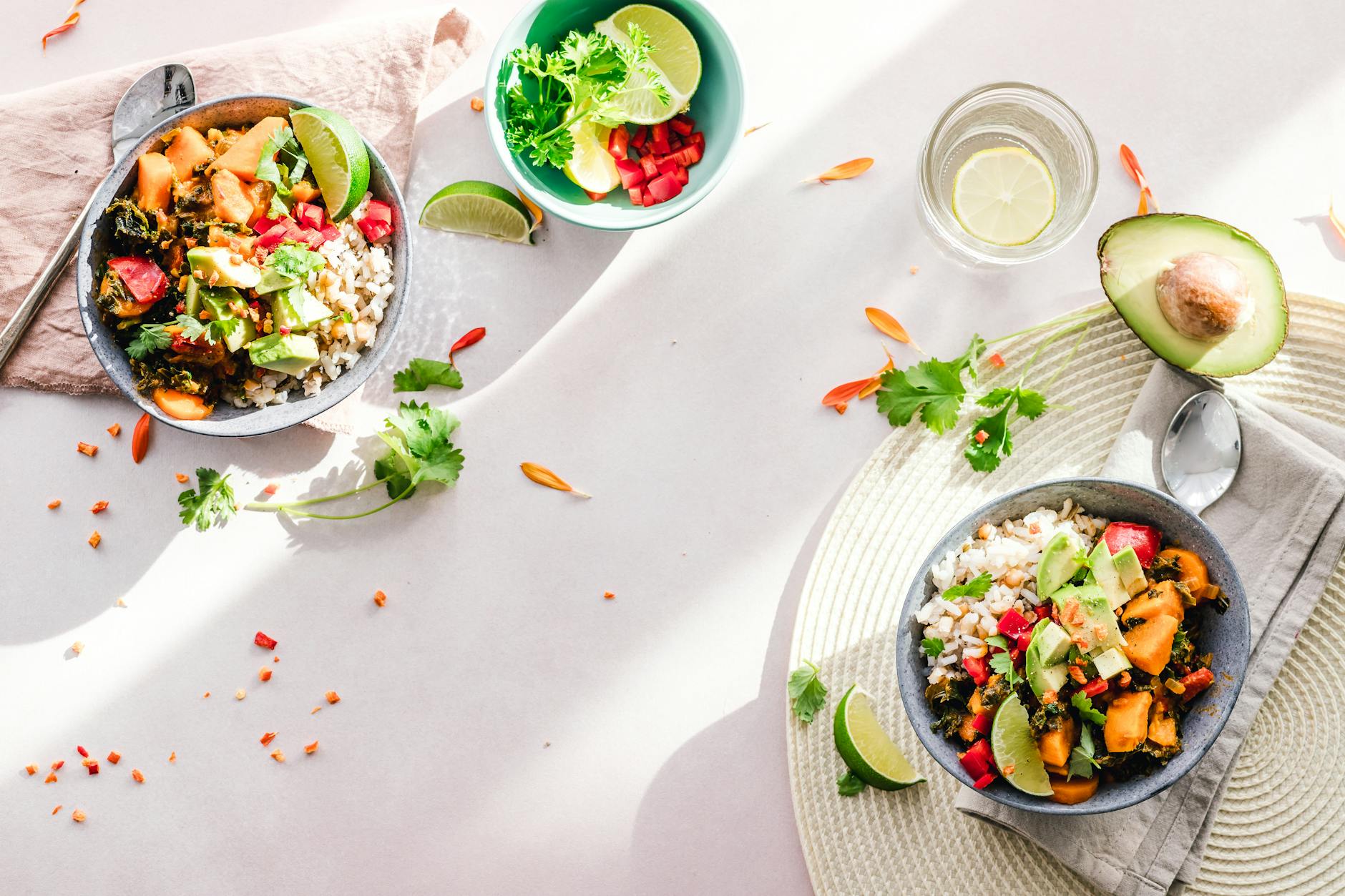
Some carbohydrates aren't fully digested in the small intestine. They travel to the colon, where bacteria ferment them and produce gas. Common triggers include beans, cruciferous vegetables, onions, garlic, wheat, and sugar alcohols like sorbitol and xylitol. This is the basis of the FODMAP framework used to identify trigger foods.
2. Eating too fast or swallowing air
Eating quickly, talking while eating, chewing gum, or drinking carbonated beverages all increase the amount of air you swallow. That extra air has to go somewhere, and it often shows up as upper belly bloating or burping shortly after a meal.
3. Slow digestion and gut motility
If food moves through your gut slowly, there is more time for fermentation and more time for gas to build up and stretch the intestinal walls. Rich, fatty meals in particular slow down stomach emptying, which is why bloating often follows a heavy dinner.
4. Food intolerances
Lactose intolerance, fructose malabsorption, and sensitivity to gluten in some people can all lead to bloating by increasing the amount of undigested material reaching the colon, where it ferments.
5. An oversensitive gut-brain connection
Stress and anxiety around meals can heighten how strongly your gut reacts to normal digestion. This is a big part of why bloating tends to flare during stressful periods, even when nothing about your diet has changed.
Natural Approaches That Match Each Cause

1. Try a structured low-FODMAP trial
This is the best-studied dietary approach for bloating linked to fermentation. It involves removing high-fermentation foods for two to six weeks, then reintroducing them one at a time to spot personal triggers. It's meant to be short-term and diagnostic, not a permanent diet, and is best done with guidance from a dietitian.
2. Sip peppermint tea or use enteric-coated peppermint oil
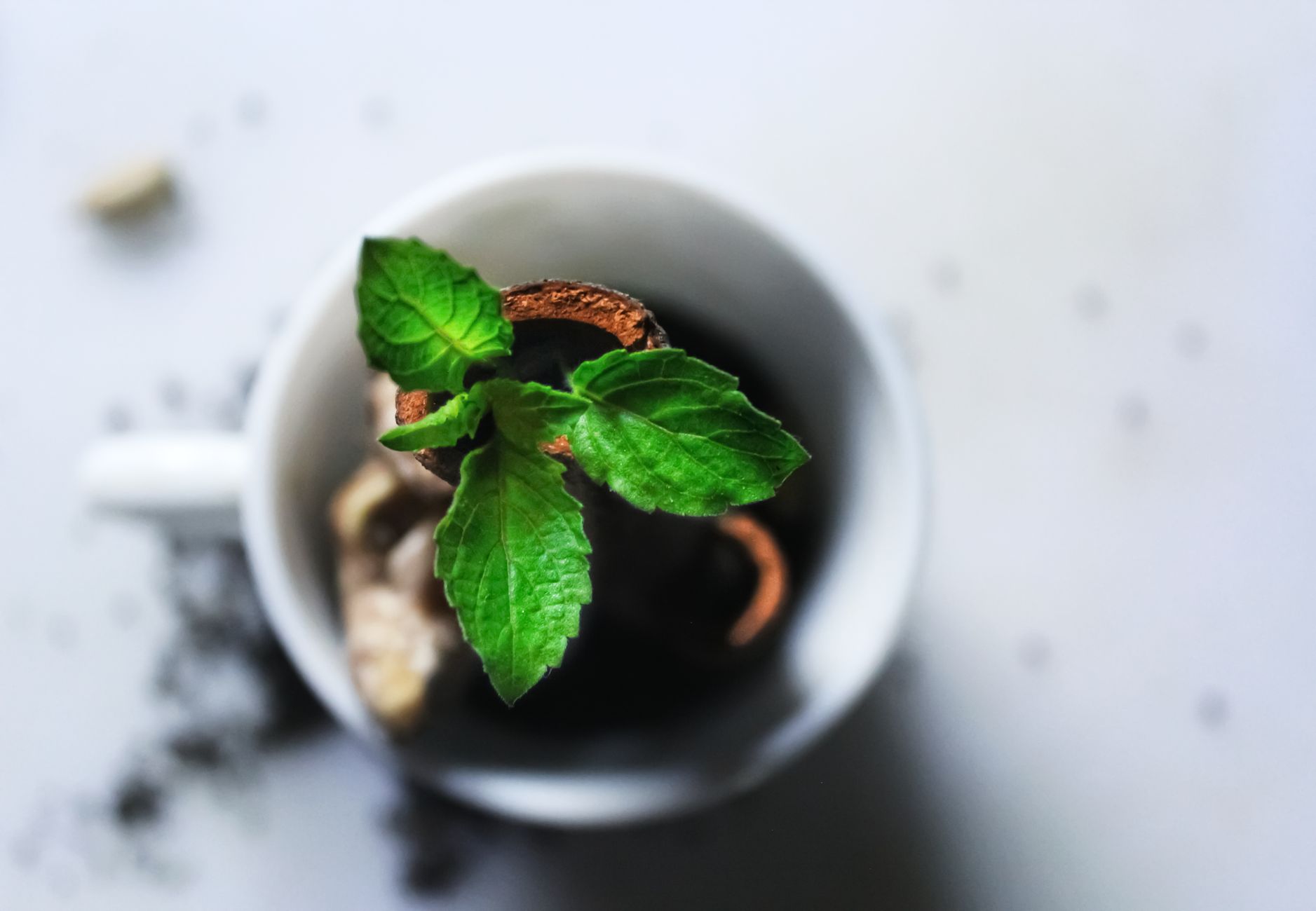
Peppermint relaxes the smooth muscle in the gut and can ease cramping and gas. Enteric-coated capsules are often used in research because they prevent the oil from being released too early, which can otherwise cause heartburn.
3. Slow down at meals
Eating more slowly and chewing thoroughly reduces swallowed air and gives your digestive system time to signal fullness properly, which can reduce both bloating and overeating.
4. Move gently after eating
A short, easy walk after meals can support gut motility and help gas move through more efficiently, instead of sitting and building pressure.
5. Consider a probiotic trial
Some strains of probiotics have shown modest benefits for gas and bloating in clinical studies, though results vary by strain and person. A four to eight week trial is a reasonable way to see if it helps you personally.
6. Manage stress around meals
Since the gut and nervous system are closely linked, simple habits like taking a few slow breaths before eating, or avoiding meals during high-stress moments, can reduce how intensely your gut reacts to normal digestion.
For a broader look at remedies beyond meal-specific causes, our guide on 6 natural remedies for bloating that are backed by research covers additional options worth trying. And because bloating often overlaps with other digestive issues, it's also worth reading about what causes acid reflux and natural ways to fix it, since the two conditions share some common triggers.
If you're looking for a more complete resource that ties together diet, habits, and gut support in one place, The Complete Gut Health Natural Remedy System walks through a structured approach to supporting digestion. It won't cure bloating on its own, but it can be a helpful guide as you work through your own triggers.
Frequently Asked Questions
Is it normal to bloat after every meal? Occasional bloating after certain meals is common, but bloating after nearly every meal is worth paying attention to. It may point to a specific trigger food, slow digestion, or an underlying sensitivity that's worth tracking with a food and symptom diary.
How long does bloating after eating usually last? For most people, bloating from a normal meal fades within one to three hours as digestion progresses. If it lingers much longer or worsens throughout the day, it may be tied to slower gut motility or a food intolerance.
Can drinking water help with bloating? Yes, staying well hydrated supports regular digestion and can help prevent the constipation that often makes bloating worse. However, drinking large amounts of water quickly during a meal can also add to a feeling of fullness, so steady sipping throughout the day works better.
Should I stop eating certain foods forever if they cause bloating? Not necessarily. Many trigger foods only cause problems in certain amounts, and permanently cutting out whole food groups isn't usually needed. A short elimination and reintroduction approach helps identify your true personal thresholds.
When should I see a doctor about bloating? If bloating is severe, persistent, comes with unexplained weight loss, blood in the stool, or significant changes in bowel habits, it's important to see a doctor to rule out other conditions. Natural remedies are meant to support everyday digestive comfort, not replace medical evaluation when symptoms are concerning.
Sources
Ready to put this into practice?
More on Natural Remedy For Bloating
Related articles you may find helpful.
Our best sellers
Practical, science-backed resources our readers love.

The Complete Natural Remedy Bundle: All 5 Guides
Gut, skin, eyes, weight and castor oil. Every NaturLab guide in one download, for one small price.
$63.93$9.99

The Complete Gut Health Natural Remedy System
A complete natural remedy system for Gut Health.
$29.00$10.99

Clearer Eyes Naturally: Natural Remedies For Your Eyesight
A complete natural remedy system for Vision.
$29.00$15.97