
What Causes an Upset Stomach After Eating and Natural Ways to Settle It
Learn what causes an upset stomach after eating and the natural remedies, from ginger to gentle habits, that target each cause.
An upset stomach after eating is one of those everyday problems that almost everyone deals with at some point. It can show up as bloating, cramping, nausea, or a heavy, uncomfortable feeling right after a meal. It's rarely a sign of anything serious, but it can still throw off your whole day. Understanding what's actually happening in your gut makes it much easier to pick remedies that make sense, instead of just guessing.
What Actually Causes an Upset Stomach After Eating
Most cases of post-meal stomach upset come down to a handful of everyday triggers, not a single mystery illness.
Eating too fast or too much. Your stomach stretches to hold food, but if it fills up quickly, it can trigger that overly full, achy feeling. Eating fast also means swallowing more air, which adds to bloating.
Slow or uneven digestion. Sometimes the muscles that move food through your stomach and intestines work a little slower than usual, a pattern often called functional dyspepsia. Fatty or heavy meals sit longer, which can bring on nausea or discomfort an hour or two after eating.
Trigger foods. Spicy dishes, high-fat meals, caffeine, alcohol, and carbonated drinks can all irritate the stomach lining or relax the valve between the stomach and esophagus, leading to discomfort or reflux-like symptoms.
Stress and nerves. The gut and brain are closely connected through what's often called the gut-brain axis. Feeling anxious or rushed during a meal can change how your stomach contracts and how quickly it empties, which can make you feel queasy or crampy afterward.
Mild food intolerances. Some people have trouble breaking down certain sugars found in dairy, wheat, or specific fruits and vegetables. This doesn't always show up as a full intolerance diagnosis, but it can still cause gas, bloating, or an unsettled feeling after eating those foods.
Bacterial imbalance in the gut. The community of bacteria living in your digestive tract helps break down food. When that balance is off, whether from illness, antibiotics, or diet changes, digestion can feel less smooth, leading to bloating or mild nausea.
Knowing which of these fits your pattern helps you choose remedies that actually address the cause instead of just masking the symptom.
Natural Approaches That Target Each Cause

1. Ginger for slow digestion and nausea
Ginger has long been used to calm the stomach, and it appears to help food move through the stomach a bit more efficiently while easing nausea. A cup of fresh ginger tea, a few slices steeped in hot water, or even chewing a small piece of crystallized ginger after a heavy meal can take the edge off.
2. Peppermint for cramping and bloating
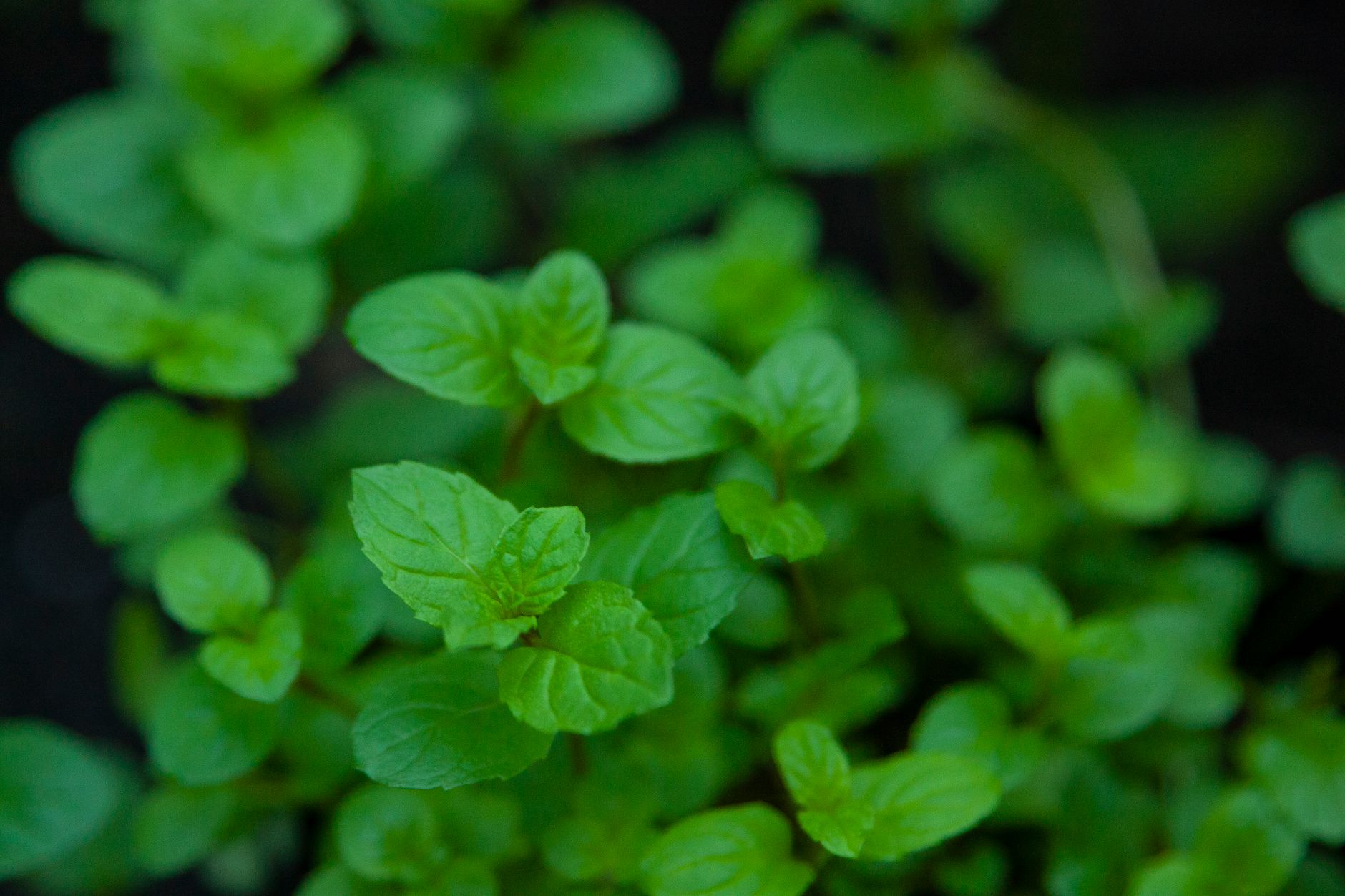
Peppermint has a relaxing effect on the muscles of the digestive tract, which can ease cramping and the tight, bloated feeling that sometimes follows a big meal. Peppermint tea is the simplest option, though enteric-coated peppermint oil capsules are also used for more persistent discomfort.
3. Eating slower and in smaller portions
Since overfilling the stomach is such a common trigger, one of the simplest fixes is also the most overlooked: eating slower and stopping before you feel completely full. This gives your stomach time to signal that it's had enough, which reduces the stretch-related discomfort that leads to that heavy feeling.
4. Gentle, low-fat foods when your stomach is already unsettled
When your stomach is already irritated, fatty and fried foods make digestion slower and heavier. Sticking to plain, easy-to-digest foods like rice, toast, bananas, or broth-based soups gives your gut a break while it settles. This is often called the BRAT approach and it's a reasonable short-term strategy, not a long-term diet.
5. Warm water or herbal tea after meals
A warm drink after eating can help relax the stomach muscles and support digestion, especially compared to very cold drinks, which some people find make cramping worse. Chamomile tea is another gentle option, particularly if stress seems to be part of the picture.
6. Slow breathing and reducing mealtime stress
Because the gut and nervous system are so closely linked, calming your body before and during meals can genuinely help digestion. Taking a few slow, deep breaths before eating, avoiding meals during highly stressful moments, and not eating while distracted or rushed can all reduce stress-related stomach upset.
7. Identifying and limiting personal trigger foods
If certain foods, like dairy, greasy dishes, or carbonated drinks, consistently leave you uncomfortable, keeping a simple food journal for a couple of weeks can help you spot the pattern. Once you know your triggers, you can moderate them rather than avoiding entire food groups unnecessarily.
For a broader list of remedies and how to use them, our guide on 7 natural remedies for an upset stomach that actually help walks through several of these options in more detail.
When to See a Doctor

Occasional stomach upset after eating is normal, but recurring or severe symptoms deserve attention. See a doctor if you notice unexplained weight loss, persistent vomiting, blood in your stool, or discomfort that lasts for days rather than hours. These natural approaches are meant to support everyday comfort, not replace medical care for ongoing digestive problems.
If you're dealing with other minor discomforts alongside stomach issues, like dental sensitivity, our post on what causes toothache pain and how to soothe it before your dentist visit covers gentle at-home steps for that too.
Frequently Asked Questions
How long does an upset stomach after eating usually last? Most cases settle within a few hours, especially if you rest, avoid heavy foods, and stay hydrated. If discomfort lingers past a day or keeps returning after most meals, it's worth mentioning to a doctor.
Is ginger tea safe to drink every day? For most healthy adults, a cup or two of ginger tea daily is considered safe. People on blood thinners or with gallstone issues should check with a doctor first, since ginger can interact with certain medications.
Why does my stomach hurt more after fatty meals specifically? Fat takes longer to digest than carbohydrates or protein, so it stays in the stomach longer. This extended digestion time can lead to that heavy, uncomfortable feeling, especially if the meal was also large.
Can stress really cause physical stomach symptoms? Yes. The nervous system directly influences how your stomach muscles contract and how quickly it empties, which is why anxiety or rushing through meals can trigger real, physical discomfort.
Should I avoid eating altogether when my stomach feels upset? Not usually. Small amounts of bland, easy-to-digest food are generally better tolerated than skipping meals entirely, which can sometimes make nausea worse on an empty stomach.
Sources
Ready to put this into practice?
More on Natural Remedy For Upset Stomach
Related articles you may find helpful.
Our best sellers
Practical, science-backed resources our readers love.
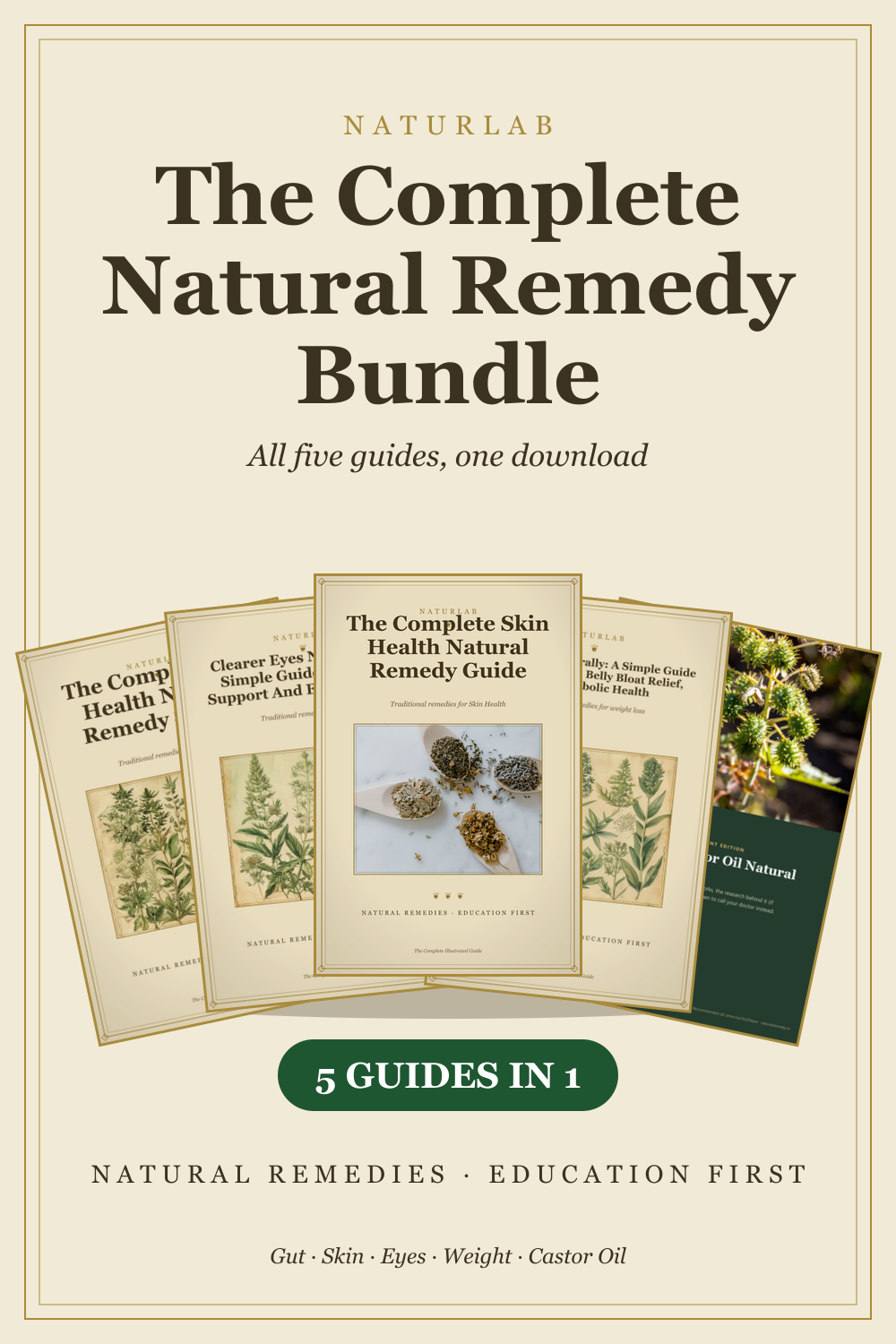
The Complete Natural Remedy Bundle: All 5 Guides
Gut, skin, eyes, weight and castor oil. Every NaturLab guide in one download, for one small price.
$63.93$9.99
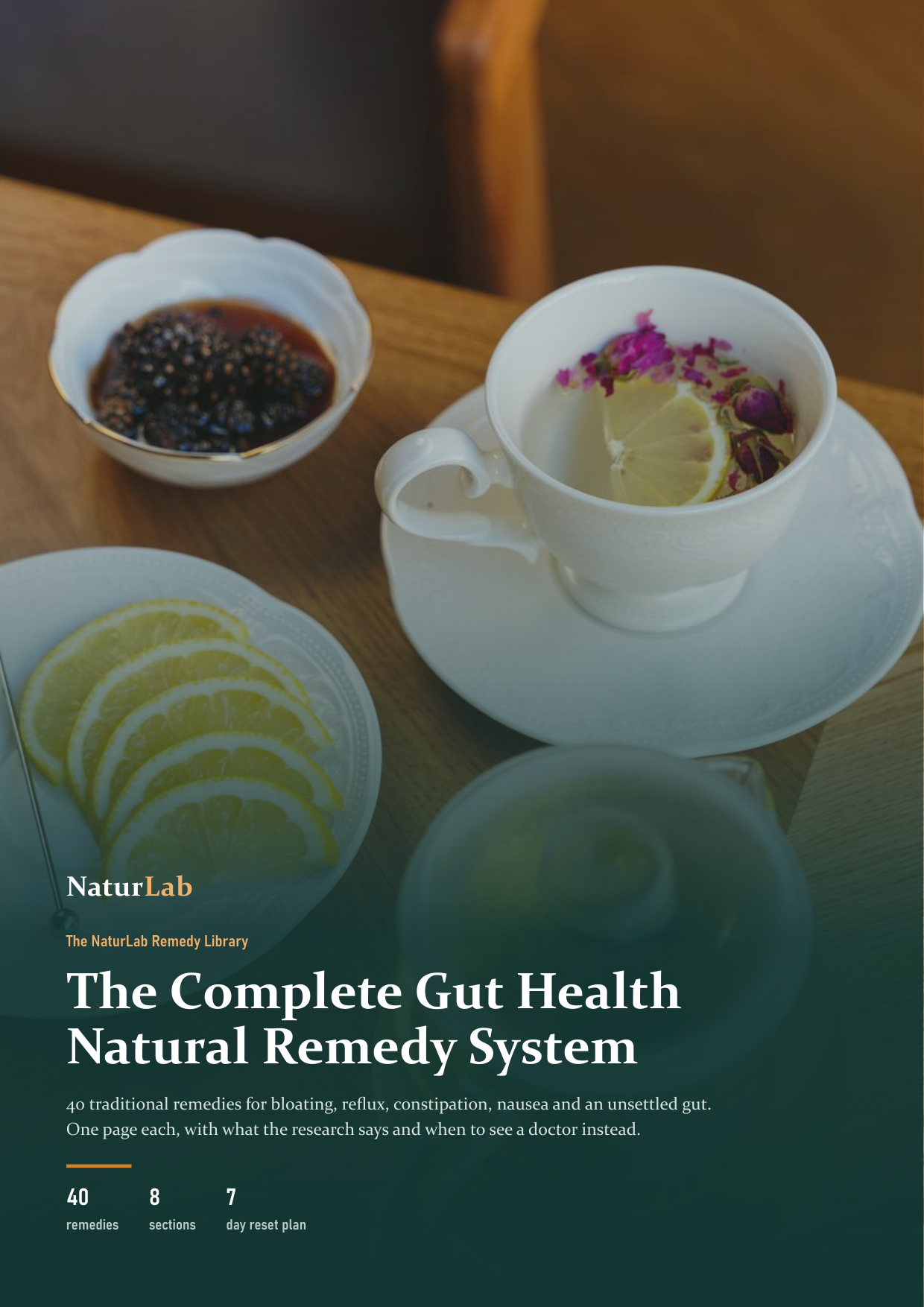
The Complete Gut Health Natural Remedy System
A complete natural remedy system for Gut Health.
$29.00$10.99

Clearer Eyes Naturally: Natural Remedies For Your Eyesight
A complete natural remedy system for Vision.
$29.00$15.97