
Natural Remedies for UTI Symptoms: 6 Options Backed by Evidence
Explore natural remedies for UTI symptoms, from D-mannose to hydration, with clear guidance on what the research shows and when to see a doctor.
Urinary tract infections (UTIs) are uncomfortable, and most cases still need antibiotics to clear fully. But if your symptoms are mild, or you're looking for ways to support your body between infections, several natural approaches have real research behind them. Below are six options worth knowing about, along with what the evidence actually shows and when you should stop trying home approaches and call a doctor.
A quick but important note first: if you have fever, chills, back or side pain, nausea, or blood in your urine, these can be signs the infection has reached your kidneys or is getting worse. Please see a doctor rather than relying on natural remedies alone in that situation.

1. D-Mannose
D-mannose is a simple sugar that resembles the structures many UTI-causing bacteria, especially E. coli, use to grip onto the bladder wall. When you take D-mannose, it can occupy those same binding sites, so bacteria attach to the sugar instead of your bladder lining and get carried out in urine.
Several small to moderate clinical trials have compared D-mannose powder, usually around 2 grams a day, to placebo or low-dose antibiotics for preventing repeat UTIs. Many found it reduced recurrence about as well as antibiotics, with fewer side effects. It is one of the more encouraging non-antibiotic options studied so far, though larger trials would help confirm the size of the benefit. Mild diarrhea is the main downside some people notice at higher doses.
2. Cranberry, in the Right Form
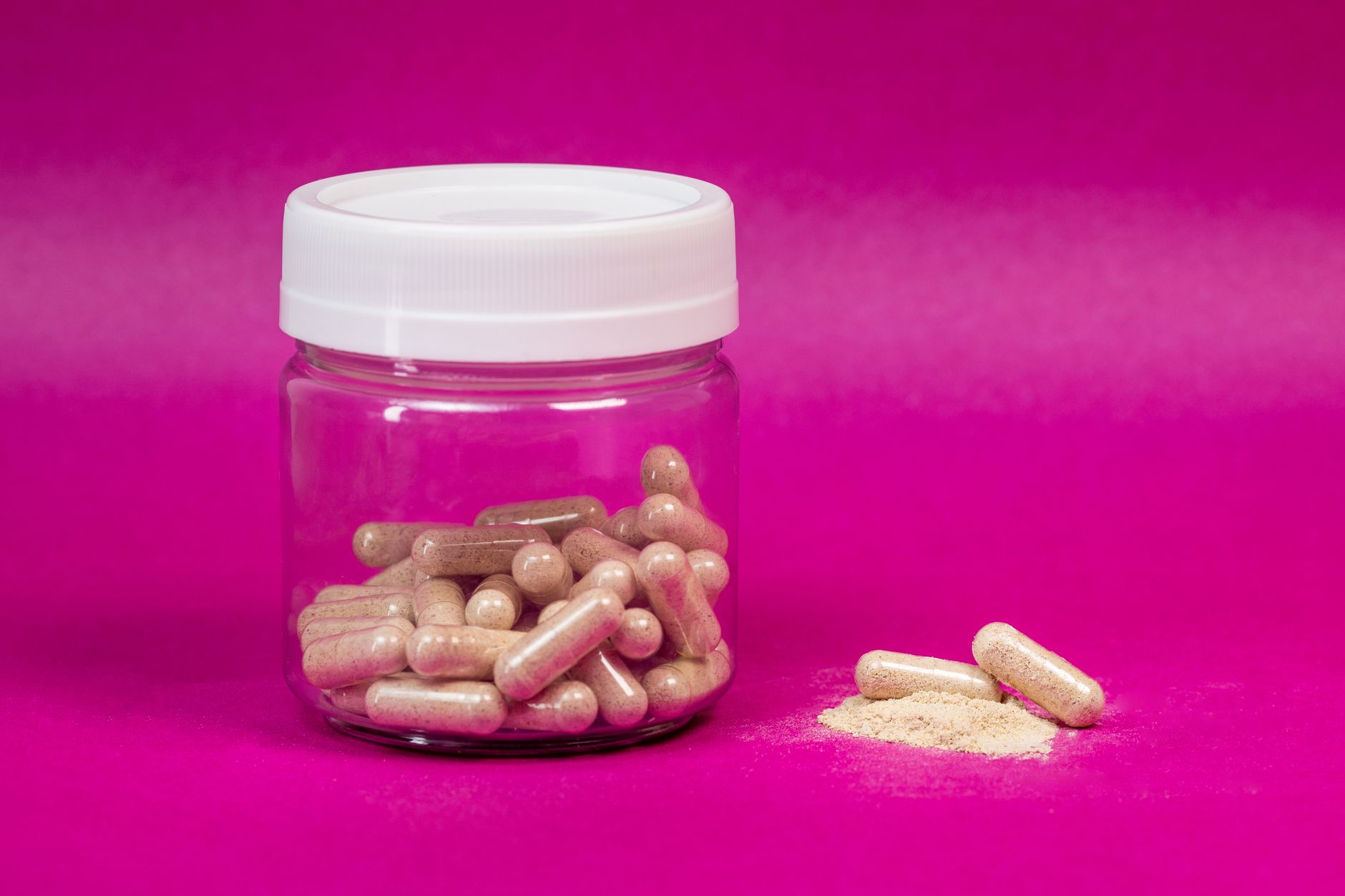
Cranberries contain proanthocyanidins (PACs), compounds that also interfere with bacteria sticking to the urinary tract wall rather than killing them outright.
This remedy is often misunderstood. Early research looked promising, but a major review of pooled studies found that cranberry products have little to no meaningful effect on preventing UTIs for most people, with a possible exception for women who get them repeatedly. Concentration matters a great deal here. Most bottled cranberry juice has too little PAC content to do much, while standardized capsule extracts tend to perform better in trials than juice does. If you want to try cranberry, a concentrated extract is a more reasonable bet than juice from the grocery store. Cranberry can interact with blood thinners like warfarin, so check with your doctor if that applies to you.
3. Probiotics with Specific Lactobacillus Strains
Certain Lactobacillus strains, such as L. rhamnosus and L. reuteri, help keep the vaginal and periurethral microbiome balanced. They compete with UTI-causing bacteria for space and lower local pH in ways that make it harder for those bacteria to settle in.
Studies on oral or vaginal probiotics for UTI prevention show mixed but generally positive results, particularly in women with recurrent UTIs. Some research found recurrence rates comparable to low-dose preventive antibiotics. Strain matters a lot here, since not every probiotic product has been tested or shown the same benefit, so look for one that specifies the strains used. Probiotics are considered safe for most people, though anyone immunocompromised should check with a doctor first.
4. Drinking More Water
This sounds almost too simple, but it has some of the strongest evidence in this list. Drinking more water increases how often and how much you urinate, which physically flushes bacteria out of the bladder before they have a chance to multiply.
A well-designed trial in premenopausal women with recurrent UTIs found that those who added about 1.5 extra liters of water to their daily intake had significantly fewer UTIs over the following year compared to women who kept their usual habits. It is low-risk, low-cost, and backed by solid data, which makes it a reasonable first step for almost anyone. People with certain heart or kidney conditions should follow their doctor's specific fluid guidance rather than increasing intake on their own.
5. Vitamin C
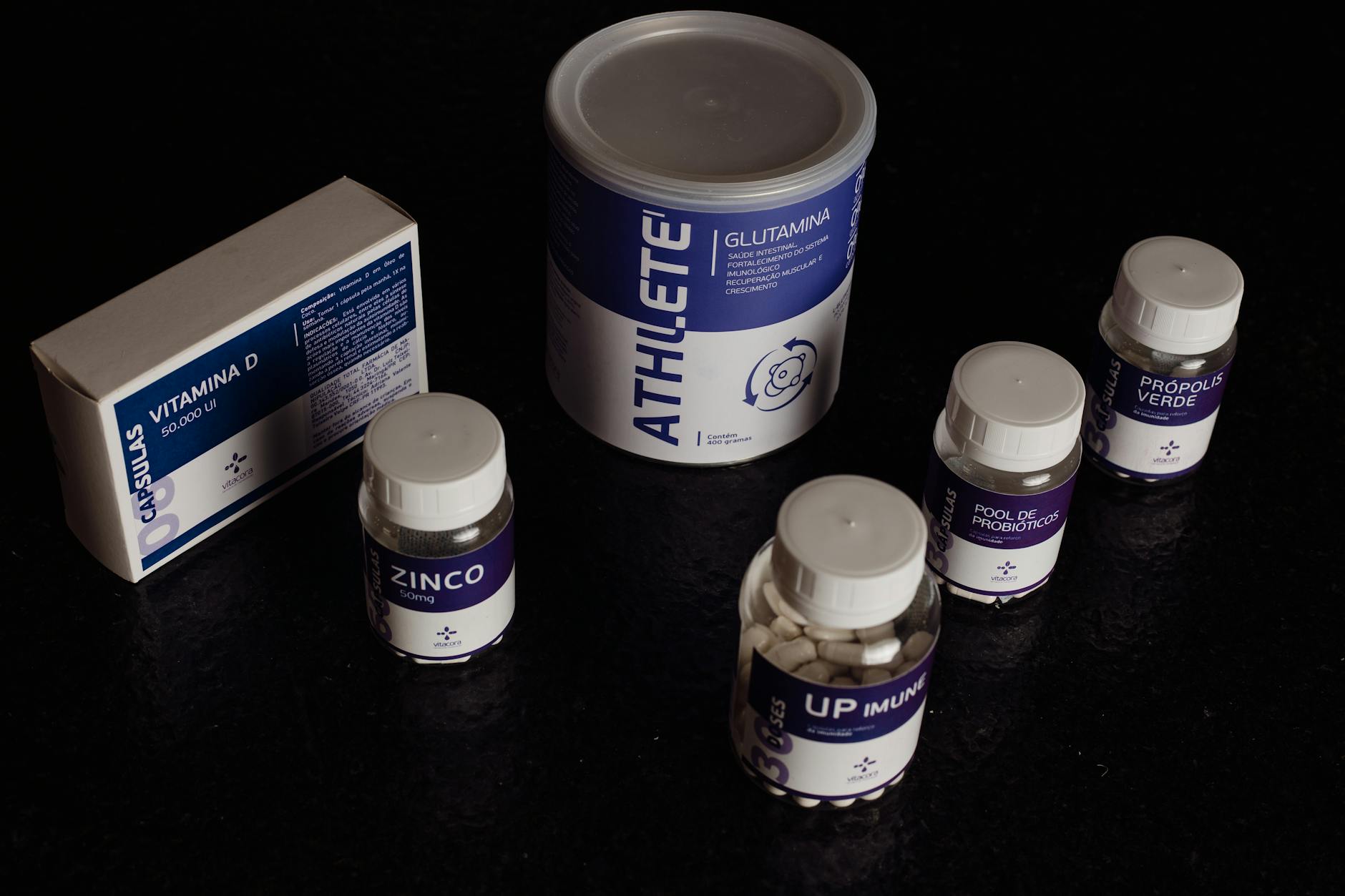
The idea behind vitamin C is that it may acidify urine, making it a less friendly environment for bacteria, along with generally supporting immune function.
The evidence here is weaker than many people assume. Some older and smaller studies, including research in pregnant women, suggested a modest reduction in UTI rates with vitamin C. More recent reviews have found the evidence inconsistent, so it is best treated as a complementary habit rather than a primary defense. Very high doses can cause stomach upset or, in some people, raise the risk of kidney stones, so it is worth keeping doses reasonable.
6. Combination Supplements (D-Mannose Plus Cranberry)
Some newer products combine D-mannose and cranberry extract, sometimes with added probiotics, on the theory that blocking bacterial adhesion through two different pathways at once may offer extra protection.
A number of trials testing these combination formulas in women with recurrent UTIs have shown promising drops in recurrence rates. That said, there is not yet much research directly comparing combination products to single-ingredient ones, so it is unclear how much benefit the combination adds over D-mannose alone. The same cautions about blood thinner interactions apply here as with cranberry on its own.
Supporting Your Body While You Recover
If you are dealing with UTI discomfort alongside other minor issues, like an unsettled stomach from staying hydrated with unfamiliar drinks, our guide on natural remedies for an upset stomach covers gentle ways to calm digestion. And if general discomfort has you reaching for pain relief options, our piece on natural remedies for toothache at home walks through simple approaches to managing pain safely while you wait to see a professional, a mindset that applies well to UTI discomfort too.
When to See a Doctor
Natural remedies work best for mild symptoms or prevention between infections, not for treating an active, worsening UTI. See a doctor promptly if you have fever, chills, pain in your back or side, nausea or vomiting, blood in your urine, or symptoms that last more than a day or two without improving. UTIs that reach the kidneys can become serious quickly, so it is not worth waiting them out at home.
Frequently Asked Questions
Can I treat a UTI completely with natural remedies instead of antibiotics? For mild, early symptoms some people find relief with approaches like hydration and D-mannose, but natural remedies are not a guaranteed substitute for antibiotics, especially once an infection is established. If symptoms don't improve within a day or two, or get worse, see a doctor.
How much water should I drink to help prevent UTIs? One well-known study had women add about 1.5 liters of water daily to their usual intake and saw fewer recurrent UTIs over a year. A reasonable general goal is drinking enough that your urine stays pale yellow throughout the day.
Does cranberry juice actually help with UTIs? Regular grocery store cranberry juice usually doesn't contain enough of the active compounds to make a real difference. Concentrated cranberry extract capsules, standardized for proanthocyanidin content, tend to perform better in studies than juice does.
Is D-mannose safe to take regularly for UTI prevention? D-mannose is generally well tolerated, with mild diarrhea being the main reported side effect at higher doses. It's a reasonable option for many people, but it's worth discussing with your doctor if you have diabetes or kidney concerns, since it is a type of sugar.
How do I know if my UTI has become serious? Watch for fever, chills, nausea, vomiting, or pain in your back or side, which can signal the infection has spread to the kidneys. These symptoms need prompt medical attention rather than a wait-and-see approach with home remedies.
Are probiotics helpful for people who get UTIs often? Some specific Lactobacillus strains have shown promise in reducing recurrence in women with frequent UTIs, likely by supporting a healthier vaginal and urinary microbiome. Results vary by strain and person, so it may take some trial to find a product that works well for you.
Sources
- The Clinical Trial Outcomes of Cranberry, D-Mannose and NSAIDs in the Prevention or Management of Uncomplicated Urinary Tract Infections in Women: A Systematic Review
- Efficacy of D-mannose as prophylaxis of recurrent urinary tract infection: a systematic review and meta-analysis of randomized controlled trials
- d-Mannose for Prevention of Recurrent Urinary Tract Infection Among Women: A Randomized Clinical Trial - PMC
- P-1570. D-mannose for Prevention of Recurrent Urinary Tract Infection in Adult Women: An Updated Systematic Review and Meta-analysis - PMC
Ready to put this into practice?
More on Natural Remedy For UTI
Related articles you may find helpful.
Our best sellers
Practical, science-backed resources our readers love.

The Complete Natural Remedy Bundle: All 5 Guides
Gut, skin, eyes, weight and castor oil. Every NaturLab guide in one download, for one small price.
$63.93$9.99
The Complete Gut Health Natural Remedy System
A complete natural remedy system for Gut Health.
$29.00$10.99

Clearer Eyes Naturally: Natural Remedies For Your Eyesight
A complete natural remedy system for Vision.
$29.00$15.97