
Natural Remedies for Menopause: 6 Options for Hot Flashes, Sleep, and Mood
Explore 6 natural remedies for menopause symptoms, from hot flashes to sleep and mood, backed by research and explained in plain language.
Menopause is a natural stage of life, but the symptoms that come with it, hot flashes, disrupted sleep, mood swings, and long-term changes in bone health, can be genuinely hard to live with. Hormone therapy works well for many women, but it is not the right choice for everyone, and plenty of people want to know what else actually helps. Below are natural remedies for menopause symptoms that have real research behind them, along with honest notes on how strong that evidence is.

Why Menopause Causes These Symptoms
As estrogen levels drop during perimenopause and menopause, the body's temperature control system becomes more sensitive, which is why hot flashes and night sweats happen. Estrogen also affects mood-regulating brain chemicals and bone density, which explains why so many women notice changes in sleep, mood, and bone strength around this time. Understanding the cause helps explain why some remedies work better for certain symptoms than others.
1. Cognitive Behavioral Therapy (CBT)

CBT does not stop hot flashes from happening, but it changes how the brain and nervous system respond to them. By reducing anticipatory anxiety and the stress reaction around a flash, CBT lowers how disruptive and distressing the symptoms feel. Structured programs, delivered in person, in groups, or through self-help materials, have shown solid results for reducing hot flash bother, improving sleep, and lifting mood. It is considered one of the best-supported non-hormonal options available.
2. Regular Aerobic Exercise
Exercise will not dramatically cut how often hot flashes occur, but it improves the body's overall ability to regulate temperature, boosts mood through natural brain chemicals, and helps with sleep quality. Just as importantly, regular activity protects against the bone and muscle loss that speeds up after menopause. Aiming for about 150 minutes of moderate aerobic activity a week, plus two days of strength training, supports both symptom relief and long-term health. If you are also managing blood pressure changes that can come with age, the same consistent movement habits described in our guide to natural remedies for high blood pressure without medication can support heart health during this transition too.
3. Soy Isoflavones (Phytoestrogens)

Soy contains plant compounds called isoflavones that weakly attach to estrogen receptors in the body, gently mimicking some of estrogen's effects. Research reviews have found modest but real reductions in hot flash frequency and severity with soy isoflavone supplements, usually at doses of 40 to 100 milligrams per day. The effect is smaller than hormone therapy and can take six to twelve weeks to show up, so patience matters. Women with a history of estrogen-sensitive breast cancer should talk to a doctor before trying soy supplements.
4. Black Cohosh
Black cohosh is one of the most studied herbal remedies for menopause, though the evidence is mixed rather than conclusive. Some trials show it modestly reduces hot flash frequency and severity, possibly through effects on serotonin activity rather than true estrogen action, while other studies find no meaningful benefit over placebo. If you choose to try it, standardized extracts of 20 to 40 milligrams per day are typical in research, generally used for no more than six months. Rare reports of liver problems mean it is not recommended for women with liver disease, and it is worth choosing a reputable, standardized product.
5. Paced Breathing and Mindfulness Practices

Slow, paced breathing, roughly six to eight breaths per minute, can calm the nervous system response that triggers a hot flash, easing its intensity even if it does not eliminate flashes entirely. Mindfulness-based programs work in a similar way, changing how the brain processes discomfort and stress, which reduces how bothersome symptoms feel and often improves sleep and mood along the way. These practices are simple, low-risk, and can be done daily or right when a hot flash starts.
6. Calcium and Vitamin D for Bone Health
The drop in estrogen during menopause speeds up bone loss, raising the risk of osteoporosis and fractures later in life. Getting enough calcium and vitamin D, through diet, sensible sun exposure, or supplements when needed, supports bone density during this vulnerable window. This is less about easing hot flashes and more about protecting long-term health, which is just as important a part of managing menopause well.
Putting It Together
No single remedy works for everyone, and menopause symptoms vary widely from person to person. Many women find the best results by combining a few approaches, for example pairing regular exercise with paced breathing for hot flashes, or CBT alongside better sleep habits for mood and rest. If symptoms are severe or significantly affecting your quality of life, it is worth discussing options, including hormone therapy, with a healthcare provider rather than relying on natural remedies alone. And if digestive discomfort or other unrelated issues crop up during this transition, resources like our guide to natural remedies for hemorrhoids at home may also be useful.
Frequently Asked Questions
How long do menopause symptoms typically last? Symptoms like hot flashes can last anywhere from a few years to over a decade for some women, with the perimenopause transition itself often lasting four to eight years. Individual experiences vary a great deal, so there is no single timeline that applies to everyone.
Can diet alone reduce hot flashes? Diet can help at the margins, especially foods rich in soy isoflavones or reducing common triggers like caffeine, alcohol, and spicy food, but diet alone rarely eliminates hot flashes completely. It works best combined with other strategies like exercise or paced breathing.
Are herbal supplements like black cohosh safe to take long term? Most research on black cohosh only covers use up to six months, so long-term safety is not well established. It is best used short-term, with a healthcare provider aware, especially if you have liver concerns.
Do natural remedies work as well as hormone therapy? Generally, no. Hormone therapy remains the most effective treatment for moderate to severe hot flashes, and natural remedies tend to produce smaller, more modest improvements. They can still be valuable for women who cannot or prefer not to use hormone therapy.
Can exercise make hot flashes worse in the short term? Some women notice a temporary rise in body temperature during a workout that feels similar to a hot flash, but this is not the same as triggering more frequent flashes overall. Over time, regular exercise tends to improve symptom management rather than worsen it.
Is it normal for mood swings to be a major symptom of menopause? Yes, mood changes are common due to shifting hormone levels affecting brain chemistry, along with sleep disruption from night sweats. If mood symptoms feel severe or persistent, it is worth speaking with a healthcare provider, since treatable depression or anxiety can sometimes overlap with menopause.
Sources
- A systematic review of herbal medicinal products for the treatment of menopausal symptoms - PubMed
- Therapeutic efficacy of botanicals in psychological disorders in menopausal women: a systematic and scoping review - PMC
- Investigation of the role of herbal medicine, acupressure, and acupuncture in the menopausal symptoms: An evidence-based systematic review study - PMC
- Herbal Medicines (Danggui Liuhuang Decoctions) for Management of Menopausal Symptoms: A Systematic Review of Randomized Controlled Trials
Ready to put this into practice?
More on Natural Remedy For Menopause
Related articles you may find helpful.
Our best sellers
Practical, science-backed resources our readers love.
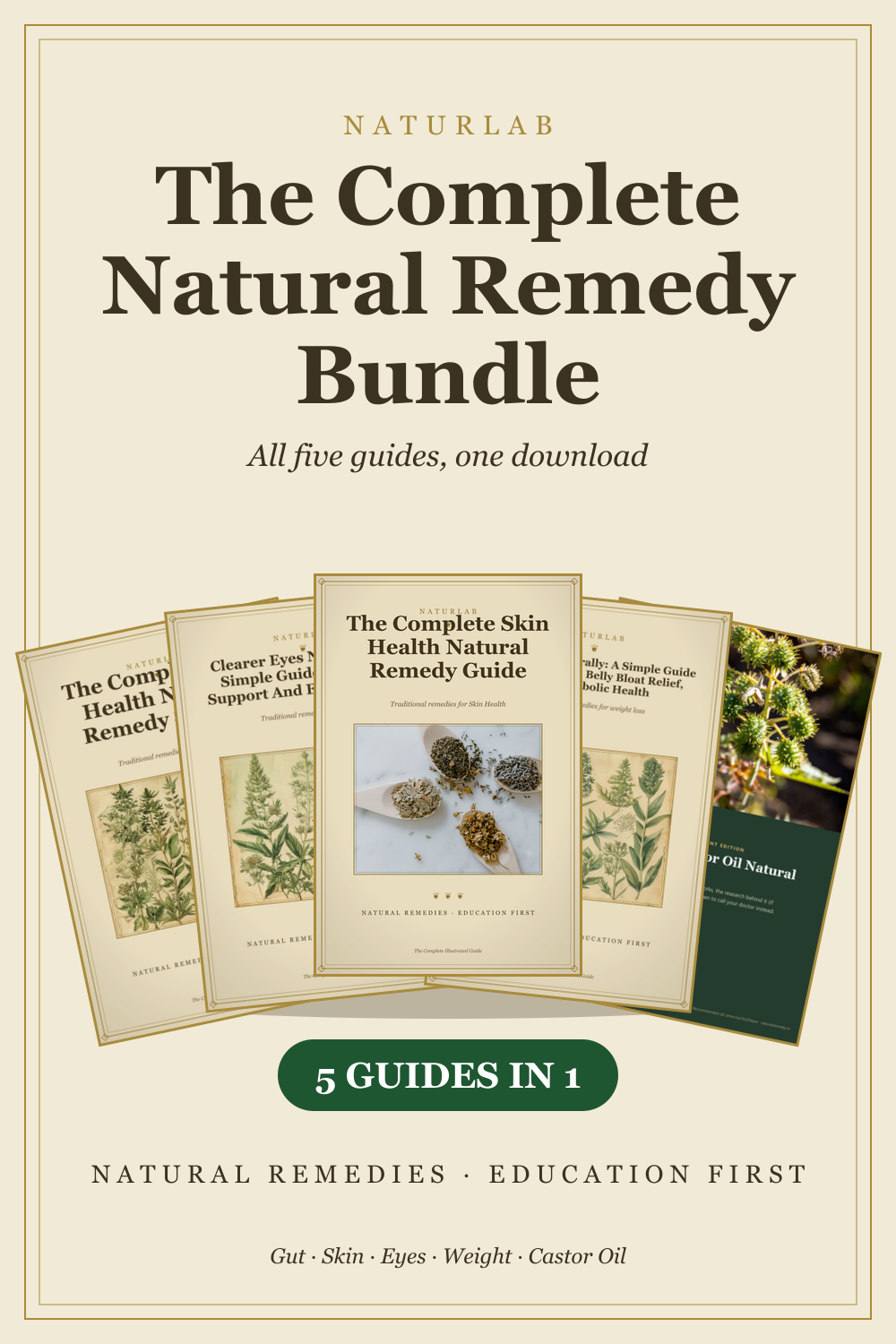
The Complete Natural Remedy Bundle: All 5 Guides
Gut, skin, eyes, weight and castor oil. Every NaturLab guide in one download, for one small price.
$63.93$9.99
The Complete Gut Health Natural Remedy System
A complete natural remedy system for Gut Health.
$29.00$10.99
Clearer Eyes Naturally: Natural Remedies For Your Eyesight
A complete natural remedy system for Vision.
$29.00$15.97