
Natural Remedies for Period Cramps Without Medication
Explore natural remedies for period cramps without medication, from heat and movement to ginger, magnesium, and omega-3s backed by research.
Period cramps, known medically as dysmenorrhea, happen because the uterus releases prostaglandins. These are hormone-like compounds that trigger muscle contractions to shed the uterine lining. The more prostaglandins your body produces, the stronger and more painful those contractions tend to feel.
The good news is that several non-drug approaches have been studied in clinical research and appear to genuinely help. They work by lowering prostaglandin activity, relaxing muscle, improving blood flow, or easing how the body processes pain signals. Below are some of the best-supported natural remedies for period cramps without medication, along with the reasoning behind each one.
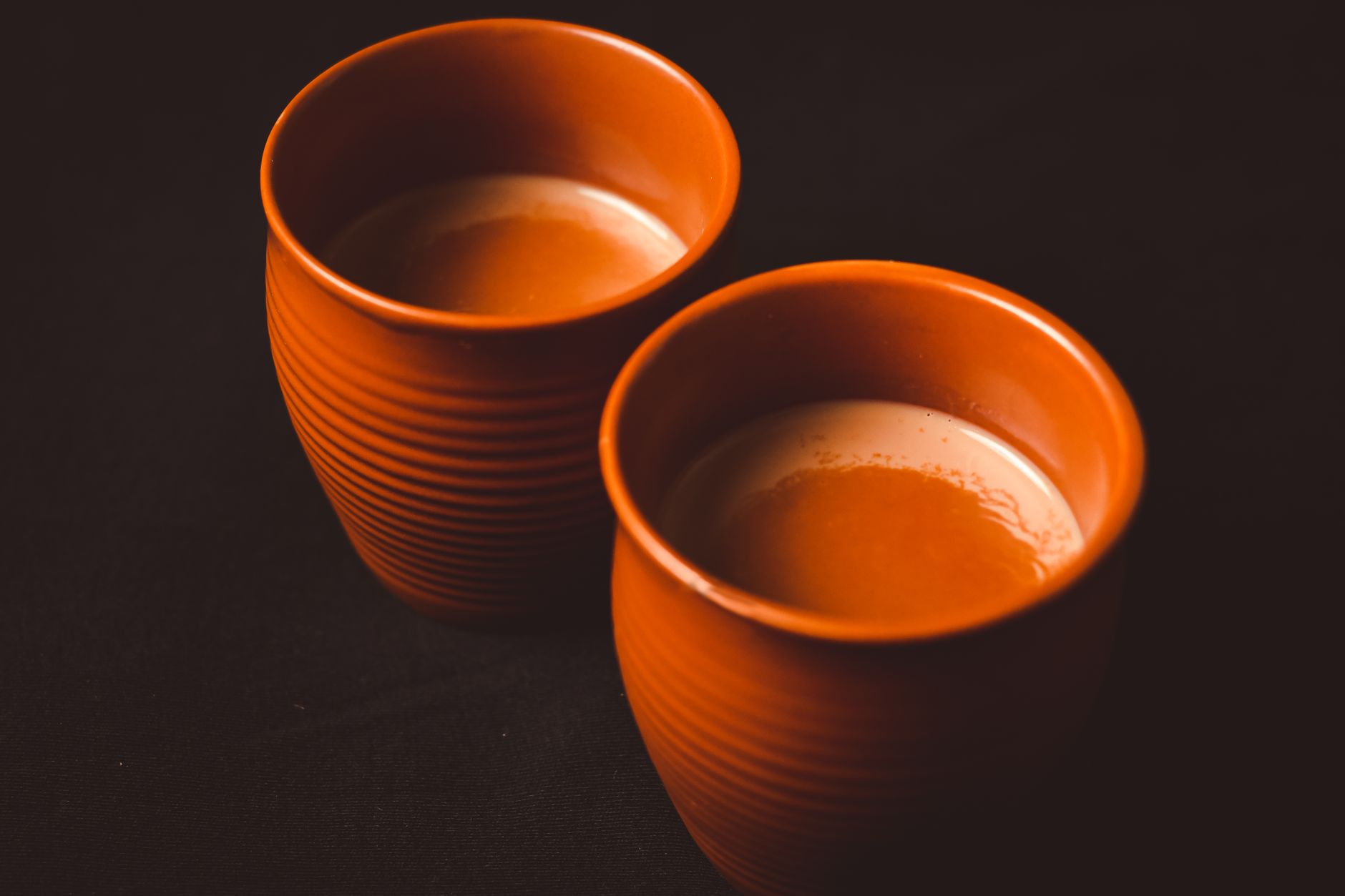
1. Heat therapy
Heat increases blood flow to the pelvic area and relaxes the contracting uterine muscle. Several studies comparing continuous low-level heat patches to common pain relievers have found heat can ease cramp intensity to a similar degree.
A heating pad or adhesive heat wrap, warmed to a comfortable level, can be applied to the lower abdomen for a few hours starting when pain or bleeding begins. This is a low-risk option, though it's worth avoiding very high heat for long periods to prevent skin irritation or burns.
2. Gentle, consistent exercise

Regular aerobic activity and gentle stretching or yoga are thought to reduce menstrual pain by improving pelvic blood flow, lowering prostaglandin levels, and encouraging the release of endorphins, the body's natural pain-dulling chemicals. Programs that are practiced consistently over several weeks, not just during the period itself, tend to show the clearest reductions in pain.
Aiming for around 30 to 45 minutes of moderate activity, like brisk walking or a simple yoga routine, several times a week throughout the month is a reasonable target. On the toughest days, gentle movement like slow walking or light stretching is often more realistic than intense exercise, and that's perfectly fine.
3. Ginger
Ginger has anti-inflammatory properties that work through a mechanism similar to common pain relievers, appearing to reduce the production of prostaglandins. Several trials comparing ginger powder to standard pain medication or a placebo found ginger reduced pain scores about as well as the medication and clearly better than placebo.
Most of these studies used doses in the range of 750 to 2,000 milligrams of ginger powder per day, split into a few smaller doses, often started a day or two before the period and continued through the first few days of bleeding. Ginger is generally well tolerated, though high doses can cause mild stomach upset, and anyone on blood-thinning medication should check with a doctor first.
4. Magnesium
Magnesium helps relax smooth muscle, including the uterus, and may also help reduce prostaglandin production. Research on magnesium supplementation, whether taken daily or just around the days before the period, has linked it to reduced cramp severity in some studies.
Typical amounts used in research fall around 200 to 360 milligrams per day, often started a few days before the expected period. Higher doses can cause loose stools or stomach discomfort, and people with kidney disease should talk to a doctor before adding any magnesium supplement, since the kidneys are responsible for clearing excess amounts.
5. Omega-3 fatty acids

Omega-3s, found in fish oil and certain plant sources, compete with the pathway that produces the more inflammatory prostaglandins linked to uterine cramping. This effectively shifts the body toward producing less inflammatory compounds overall. Trials in women with period pain have linked fish oil supplementation to reduced pain scores and, in some cases, less need for additional pain relief.
Studies commonly used around 500 to 1,000 milligrams of combined EPA and DHA per day, taken for at least a month or two rather than only during the period, since the effect seems to build over time. Mild fishy aftertaste or stomach upset are the most common side effects.
6. Simple dietary habits
Beyond supplements, some general eating habits are worth mentioning. Reducing intake of highly processed foods and added sugar around your period, staying well hydrated, and getting enough fiber and whole foods may support more stable blood sugar and less overall inflammation, which some women report helps with cramp severity. This overlaps with habits that also tend to ease digestive discomfort, so if bloating or an upset stomach often accompanies your cramps, our guide to natural remedies for nausea covers some gentle, complementary options.
7. Stress management and sleep
Stress and poor sleep don't cause period cramps directly, but they can lower your overall pain tolerance and increase muscle tension, which may make cramps feel worse. Simple habits like consistent sleep timing, slow breathing exercises, or a short wind-down routine before bed can help. Interestingly, some of the same relaxation-based approaches that help with recurring head pain, discussed in our piece on natural ways to prevent migraines, may also support a calmer nervous system during your period.
Putting it together
No single remedy works for everyone, and period cramps can vary a lot from person to person and cycle to cycle. Many people find the best results by combining a couple of these approaches, for example heat plus ginger, or consistent exercise plus magnesium, rather than relying on just one. If cramps are severe, worsening over time, or accompanied by other symptoms like heavy bleeding or pain outside your period, it's worth speaking with a doctor, since these can sometimes point to an underlying condition that benefits from targeted treatment.
Frequently Asked Questions
How long do natural remedies take to start working for period cramps? Heat therapy and gentle movement can offer relief within minutes to hours. Supplements like ginger and magnesium are often most effective when started a day or two before your period, while omega-3s tend to work best when taken consistently for a month or more.
Can I combine heat therapy with supplements like ginger or magnesium? Yes, these approaches work through different mechanisms, so combining them is generally considered safe for most people. If you're taking other medications or have a health condition, it's still a good idea to check with a doctor or pharmacist first.
Is exercise safe during a heavy period with strong cramps? Gentle movement like walking or light stretching is usually fine and may even help ease pain. On days with very intense cramps, it's reasonable to scale back to lower-intensity activity and listen to how your body feels rather than pushing through discomfort.
When should period cramps be checked by a doctor? If cramps are severe enough to interfere with daily life, get worse over time, don't respond to typical remedies, or come with heavy bleeding, pain during other times of the cycle, or pain during sex, it's worth getting evaluated. These can sometimes indicate conditions like endometriosis or fibroids that need specific medical attention.
Do these natural remedies work as well as over-the-counter pain relievers? Some, like heat therapy and ginger, have performed comparably to common pain relievers in certain studies, though individual results vary. They can be a helpful option for people who prefer to limit medication use, but they aren't guaranteed to work the same way for everyone.
Is it safe to take ginger, magnesium, and omega-3s together? Many people use these together without issue, since they target cramps through different pathways. Still, it's sensible to introduce one at a time so you can notice how your body responds, and to mention any supplements to your doctor, especially if you take other medications.
Sources
- Efficacy of herbal medicine (cinnamon/fennel/ginger) for primary dysmenorrhea: a systematic review and meta-analysis of randomized controlled trials - PMC
- Efficacy of Oral Ginger (Zingiber officinale) for Dysmenorrhea: A Systematic Review and Meta-Analysis
- Efficacy of Ginger in the Treatment of Primary Dysmenorrhea: A Systematic Review and Meta-analysis
- Efficacy of Oral Ginger (Zingiber officinale) for Dysmenorrhea: A Systematic Review and Meta-Analysis - PMC
Ready to put this into practice?
More on Natural Remedy For Period Cramps
Related articles you may find helpful.
Our best sellers
Practical, science-backed resources our readers love.
The Complete Natural Remedy Bundle: All 5 Guides
Gut, skin, eyes, weight and castor oil. Every NaturLab guide in one download, for one small price.
$63.93$9.99
The Complete Gut Health Natural Remedy System
A complete natural remedy system for Gut Health.
$29.00$10.99
Clearer Eyes Naturally: Natural Remedies For Your Eyesight
A complete natural remedy system for Vision.
$29.00$15.97