
Remedy To Relieve Constipation
Tried fiber for constipation with no results? Learn why this natural remedy for constipation focuses on colon rhythm and olive oil timing instead of more fiber.

If you are over 60 and you have been faithfully adding fiber, drinking water, and doing everything you were told, but your mornings still start with that same heavy, stuck feeling, the issue may not be a lack of effort. It may be that the standard advice was built for a different colon than the one you have now. Finding the right natural remedy for constipation often means understanding what is actually slowing things down, not just adding more bulk and hoping it works.
Why more fiber does not always help
Fiber is usually the first thing recommended for constipation, and for many people it genuinely helps. But fiber is not a universal fix, and a small study published in a medical journal in 2012 offers an interesting reason why.
Researchers followed 63 people with chronic constipation and asked them to stop eating fiber completely. According to the study, a large majority reported that their symptoms improved or went away, and none of the participants got worse. It is a small study, and it should not be read as proof that fiber is harmful. What it does suggest is that fiber alone is not the right answer for every person, especially when something else is slowing the colon down.
What may actually be slowing your colon down
Your colon does not move waste along through willpower or bulk alone. It relies on a built in electrical rhythm, generated by specialized cells in the colon wall called interstitial cells. These cells fire in a steady pattern that tells the muscles of the colon when to contract and push contents forward.
Research on aging and gut motility suggests that these pacemaker cells can decline over time, and this decline tends to become more noticeable from around age 60 onward. When that rhythm weakens, adding more fiber does not restore the beat. It simply adds more material for a slower system to move.
Think of it like asking someone who is already tired to carry a heavier load. Extra weight does not give them more energy. It just makes the job harder. This may be part of why constipation becomes more common with age, even in people who eat plenty of fiber and drink enough water. If bloating and general digestive discomfort are also part of the picture, it can help to look at natural ways to ease bloating alongside any changes you make for constipation.
Why the timing and type of olive oil matter
Olive oil has a long history as a traditional remedy for sluggish digestion, particularly around the Mediterranean. But many people try it, feel nothing, and give up. Often the problem is the product itself, or how it is used.
Choosing the right bottle
Most bottles labeled light, pure, extra light, or olive oil blend have gone through processing that strips out many of the natural compounds found in raw olive oil. You are paying for the name, not the original product.
When shopping, look for a bottle that is:
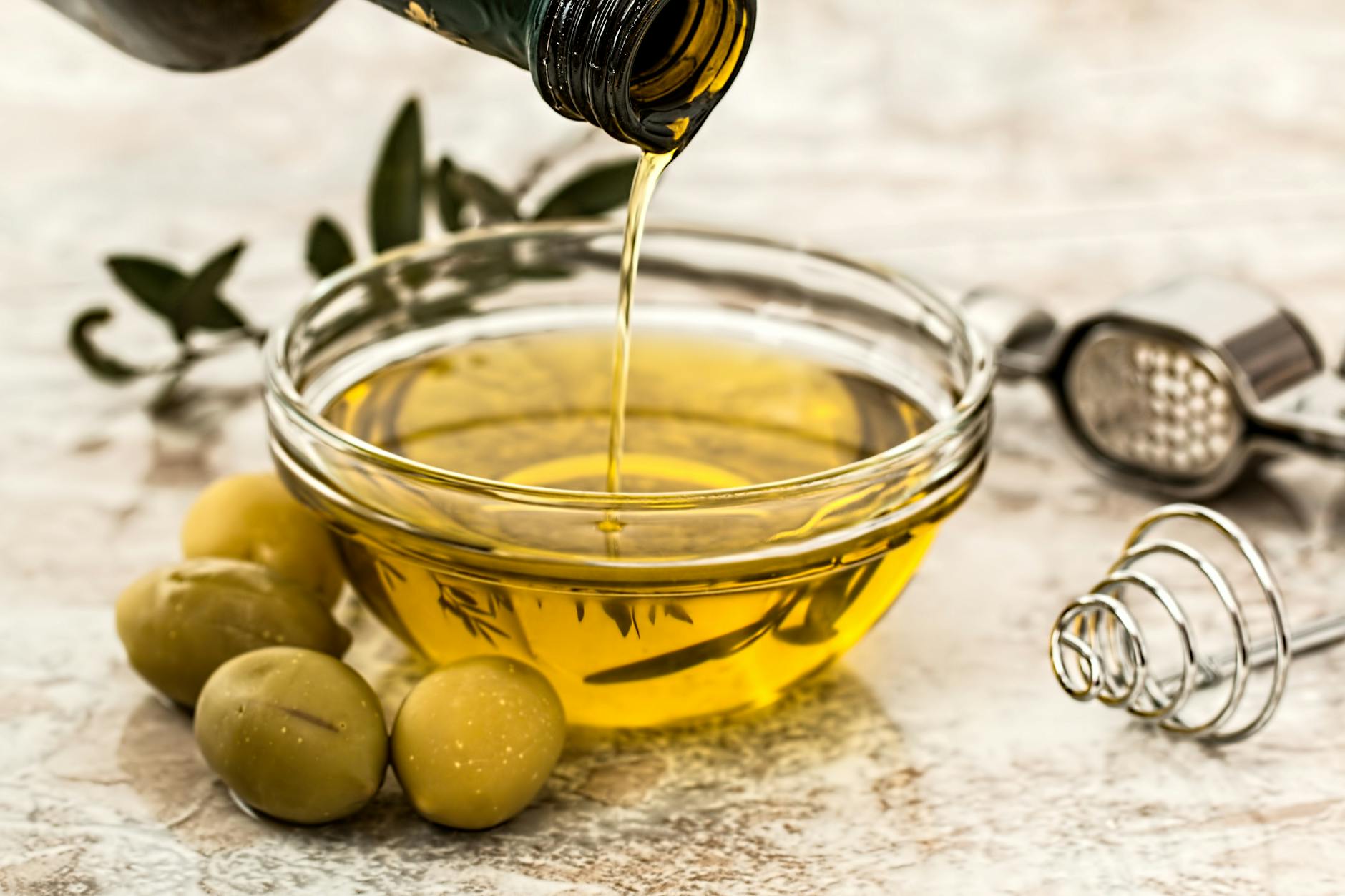
- Labeled cold pressed
- Labeled extra virgin
- Packaged in dark glass rather than clear glass or plastic
Dark glass matters because light exposure can degrade some of the beneficial compounds in the oil before you even open the bottle.
Why an empty stomach makes a difference
Timing also seems to matter. When olive oil is taken alongside a meal, your body tends to treat it like any other dietary fat, breaking it down and storing it rather than letting it reach further into the digestive tract.
A simple approach many people use is to take one tablespoon of cold pressed, extra virgin olive oil first thing in the morning, on a completely empty stomach, before coffee or water. Then wait 20 to 30 minutes before eating or drinking anything else.
The idea is that an empty stomach allows the oil to move through the digestive system in a way that a full stomach does not. It is a small habit, but it is one that has been practiced for generations in Mediterranean households, long before anyone understood the biology behind it.
What to expect over time
Olive oil is not a laxative, and it is not designed to force a single bowel movement the way over the counter products do. Laxatives can create movement for a day, but they do not address a colon wall that has become dry or a rhythm that has slowed down.
Based on how this remedy is typically used, changes tend to unfold gradually rather than overnight:
- Day one: often no noticeable change
- Days three to five: some people notice the heaviness starting to ease
- Weeks three to four: bowel habits may become more regular as the colon lining has more time to respond
This slower timeline reflects the fact that you are giving the digestive system support, not forcing it to act. If you would like a broader look at gentle, time-tested approaches, this article on an old fashioned remedy for constipation is worth a read.
Supporting your gut beyond olive oil

Olive oil and colon rhythm are only part of the picture. A few other habits tend to support regular digestion at any age:
- Staying consistently hydrated throughout the day, not just when you feel thirsty
- Keeping a mix of soluble and insoluble fiber sources rather than relying on one supplement
- Moving your body regularly, since physical activity helps stimulate healthy colon contractions
- Eating at consistent times to support your body's natural digestive rhythm
If constipation is one of several ongoing digestive concerns, such as bloating, irregular movements, or general discomfort after meals, it may help to look at your gut health as a whole system rather than treating each symptom separately. The Complete Gut Health Natural Remedy System was designed to bring several of these evidence based approaches together in one place, so you are not left guessing which piece to try next.
Key takeaways
- Fiber helps many people, but it is not a universal fix, and some research suggests it may not help everyone, particularly past age 60.
- Colon movement depends partly on specialized pacemaker cells that can decline with age, which fiber alone cannot address.
- Not all olive oil is equal. Look for cold pressed, extra virgin oil in a dark glass bottle.
- Taking one tablespoon on a completely empty stomach, then waiting 20 to 30 minutes, is the traditional way this remedy is used.
- Changes tend to build gradually over three to four weeks rather than happening overnight.
- Hydration, varied fiber sources, and regular movement remain useful supporting habits.
Constipation can feel like a personal failing, but in many cases it reflects a slowing system rather than a lack of effort on your part. If you want more simple, science backed guidance like this, consider exploring our other articles or joining our email list for future updates from NaturLab.
Ready to put this into practice?
More on Natural Remedy For Constipation
Related articles you may find helpful.
Our best sellers
Practical, science-backed resources our readers love.

The Complete Natural Remedy Bundle: All 5 Guides
Gut, skin, eyes, weight and castor oil. Every NaturLab guide in one download, for one small price.
$63.93$9.99

The Complete Gut Health Natural Remedy System
A complete natural remedy system for Gut Health.
$29.00$10.99

Clearer Eyes Naturally: Natural Remedies For Your Eyesight
A complete natural remedy system for Vision.
$29.00$15.97