
Acid Reflux Relief at Home: What to Do Right Now (and What to Do Next)
Simple, evidence-informed steps for acid reflux relief at home, from quick fixes you can try tonight to habits that support lasting comfort.
Acid reflux happens when stomach acid flows back up into the esophagus, usually because the muscle at the bottom of the esophagus (the lower esophageal sphincter) relaxes at the wrong time, or because there's extra pressure pushing up from the stomach. If you're dealing with that burning feeling right now, there are a few simple things you can try with items you probably already have at home. Then, once the immediate discomfort eases, there are habits worth building for longer-term comfort.
For a deeper look at what triggers reflux in the first place, our guide on what causes acid reflux and natural ways to fix it covers the underlying mechanics in more detail.

What to try right now
These steps are meant for quick, temporary relief. None of them cure reflux, but they can ease symptoms while you figure out longer-term changes.
1. Stand or sit upright
Gravity is the fastest, free way to reduce reflux. Lying down lets acid sit closer to the esophagus and makes it easier for it to travel upward. If you can, stay upright for at least an hour after symptoms start or after eating.
2. Chew a piece of sugar-free gum
Chewing increases saliva production, and saliva is mildly alkaline. Swallowing more of it can help clear and neutralize acid in the esophagus a bit faster. Research using pH monitoring has found that chewing gum after meals can shorten the amount of time acid stays in the esophagus. Stick with sugar-free gum, since sugary gum doesn't offer the same benefit and isn't great for your teeth.
3. Mix a small amount of baking soda in water
A half teaspoon of baking soda dissolved in about four ounces of water is a classic home remedy. Baking soda is a base, so it directly neutralizes stomach acid, which is why it's used in many over-the-counter antacids. It works quickly, but it's meant as an occasional stopgap, not a daily habit.
A few cautions: baking soda is high in sodium, so skip this if you have high blood pressure, kidney disease, or follow a low-sodium diet. Avoid using it repeatedly in one day, don't take it on a very full stomach, and avoid it during pregnancy.
4. Loosen tight clothing and avoid bending
Tight waistbands, bending at the waist, and heavy lifting all increase pressure in the abdomen, which can push acid upward. Something as simple as unbuttoning your pants or standing straighter can bring a bit of relief.
5. Sip water slowly
Small sips of plain water can help dilute and clear acid sitting in the esophagus. Try to avoid carbonated drinks in the moment, since they can increase burping and abdominal pressure.
6. If you need to lie down, lie on your left side
The anatomy of the stomach and esophagus means that lying on your left side keeps the junction between them above the level of stomach acid, while lying on your right side submerges it. Studies measuring esophageal acid exposure support this difference, so if you have to rest, choose your left side.
Remedies with weaker evidence, worth knowing about

A few popular home remedies get a lot of attention online but don't have strong research behind them, and some carry risks worth knowing about.
Apple cider vinegar is often suggested, but there's no solid clinical evidence it helps reflux, and since it's acidic, it can actually irritate the esophagus or wear down tooth enamel in some people. Ginger tea has recognized anti-nausea properties and may support gut motility in general, which could theoretically help some people, but direct research on ginger for reflux specifically is limited. A small cup of weak ginger tea is low-risk for most people. Licorice, specifically deglycyrrhizinated licorice (DGL), has some small studies suggesting it may soothe esophageal irritation, but the evidence is mixed. Regular licorice (not DGL) can raise blood pressure, so it's best avoided.
What actually helps for lasting relief

Once the immediate burning has settled, the research points to a few changes that make a real difference over time.
If you carry extra weight, especially around the midsection, gradual weight loss is the most consistently supported lifestyle change for reducing reflux. Extra abdominal weight increases pressure on the stomach and can contribute to a hiatal hernia, both of which make reflux more likely. Studies tracking people who lost even five to ten percent of their body weight found meaningful improvement in reflux symptoms.
Elevating the head of your bed by six to eight inches, using bed risers or a wedge pillow rather than just stacking regular pillows, has also been shown to reduce nighttime acid exposure and improve sleep quality in people with reflux. Stacked pillows can actually bend you at the waist and make things worse, so a proper incline matters.
Paying attention to trigger foods, eating smaller meals, and avoiding lying down for a few hours after eating are also well-supported habits. For a broader list of remedies with research behind them, our article on natural remedies for acid reflux backed by research walks through more options in detail.
Frequently Asked Questions
How fast does baking soda work for acid reflux? Most people feel relief within a few minutes, since baking soda directly neutralizes stomach acid. It's meant for occasional use, not a daily routine, especially if you have high blood pressure or kidney concerns.
Is it safe to use baking soda for reflux every day? No, it's best used occasionally. Regular use can affect your sodium intake and may mask symptoms that deserve a longer-term approach, like dietary changes or checking in with a doctor if symptoms are frequent.
Does sleeping position really affect acid reflux? Yes, research using pH monitoring shows that left-side sleeping keeps the junction between the stomach and esophagus above the level of acid, while right-side sleeping can make reflux more likely. Elevating the head of the bed adds further benefit.
Can chewing gum actually reduce heartburn? Studies suggest it can help somewhat. Chewing increases saliva, which is mildly alkaline and can help clear acid from the esophagus a bit faster after meals. It's a simple, low-risk option worth trying.
When should I see a doctor about acid reflux instead of treating it at home? If you're having symptoms more than twice a week, if home remedies aren't helping, or if you notice trouble swallowing, unintended weight loss, or persistent chest pain, it's worth talking to a healthcare provider. These can be signs of something that needs more than at-home management.
Are there foods I should avoid completely? Common triggers include fatty or fried foods, caffeine, alcohol, chocolate, mint, citrus, and tomato-based foods, but triggers vary a lot from person to person. Keeping a simple food and symptom diary for a couple of weeks can help you spot your own specific patterns.
Sources
- Association Between Gastroesophageal Reflux Disease and Chronic Respiratory Symptoms: A Systematic Review of Recent Clinical Evidence and Therapeutic Implications
- Natural Products in the Management of Gastroesophageal Reflux Disease: Mechanisms, Efficacy, and Future Directions - PMC
- Comparing Proton Pump Inhibitors and Emerging Acid-Suppressive Therapies in Gastroesophageal Reflux Disease: A Systematic Review
- Natural Products in the Management of Gastroesophageal Reflux Disease: Mechanisms, Efficacy, and Future Directions
Ready to put this into practice?
More on Natural Remedy For Acid Reflux
Related articles you may find helpful.
What Causes Acid Reflux and Natural Ways to Fix It
Learn what causes acid reflux and explore natural remedies that target each root cause, from diet triggers to simple daily habits.
Read more →9 Natural Remedies For Acid Reflux That Are Actually Backed By Research
Nine natural, evidence-informed ways to ease acid reflux and heartburn, from smart meal timing to specific foods that actually help, explained simply.
Read more →Our best sellers
Practical, science-backed resources our readers love.
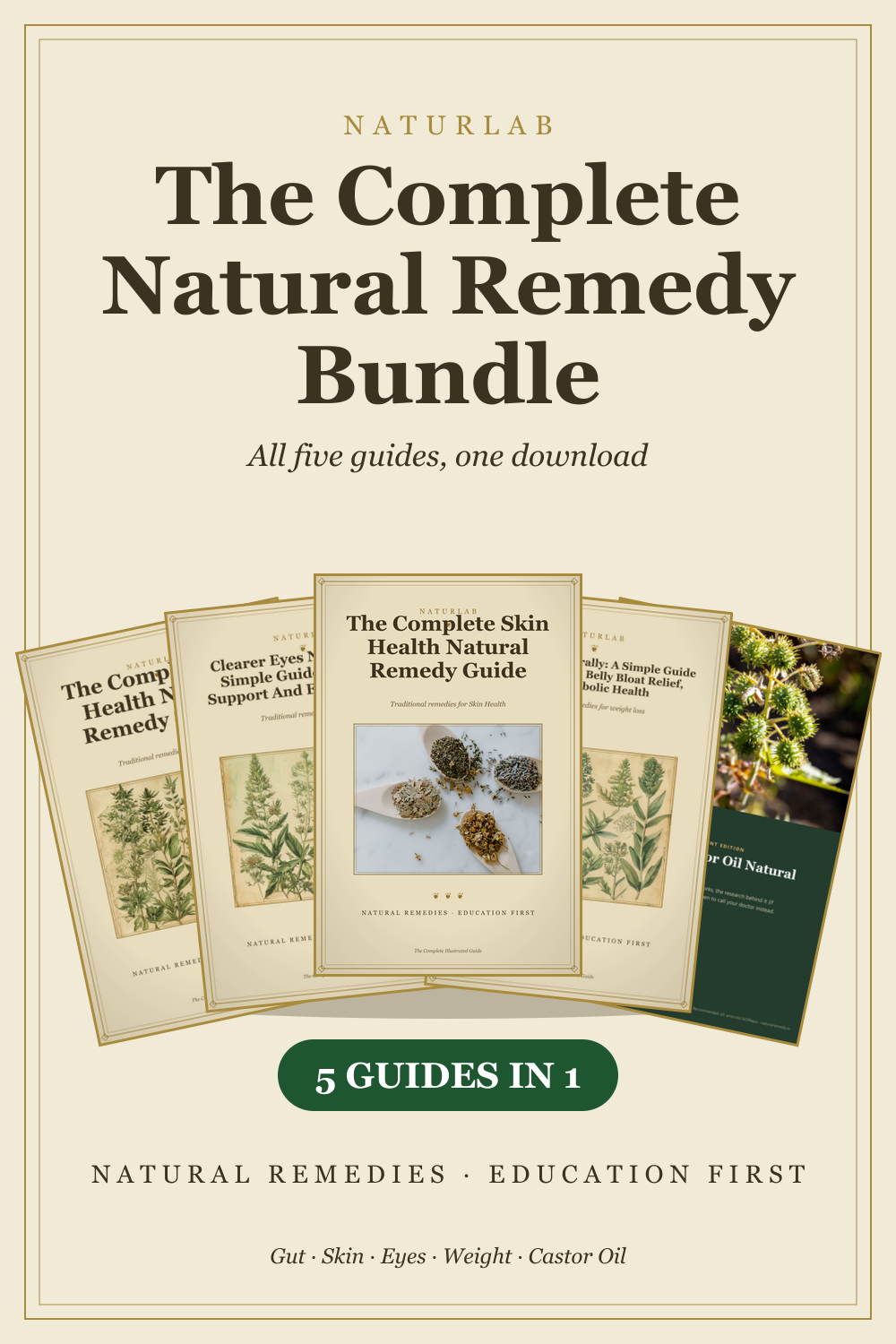
The Complete Natural Remedy Bundle: All 5 Guides
Gut, skin, eyes, weight and castor oil. Every NaturLab guide in one download, for one small price.
$63.93$9.99
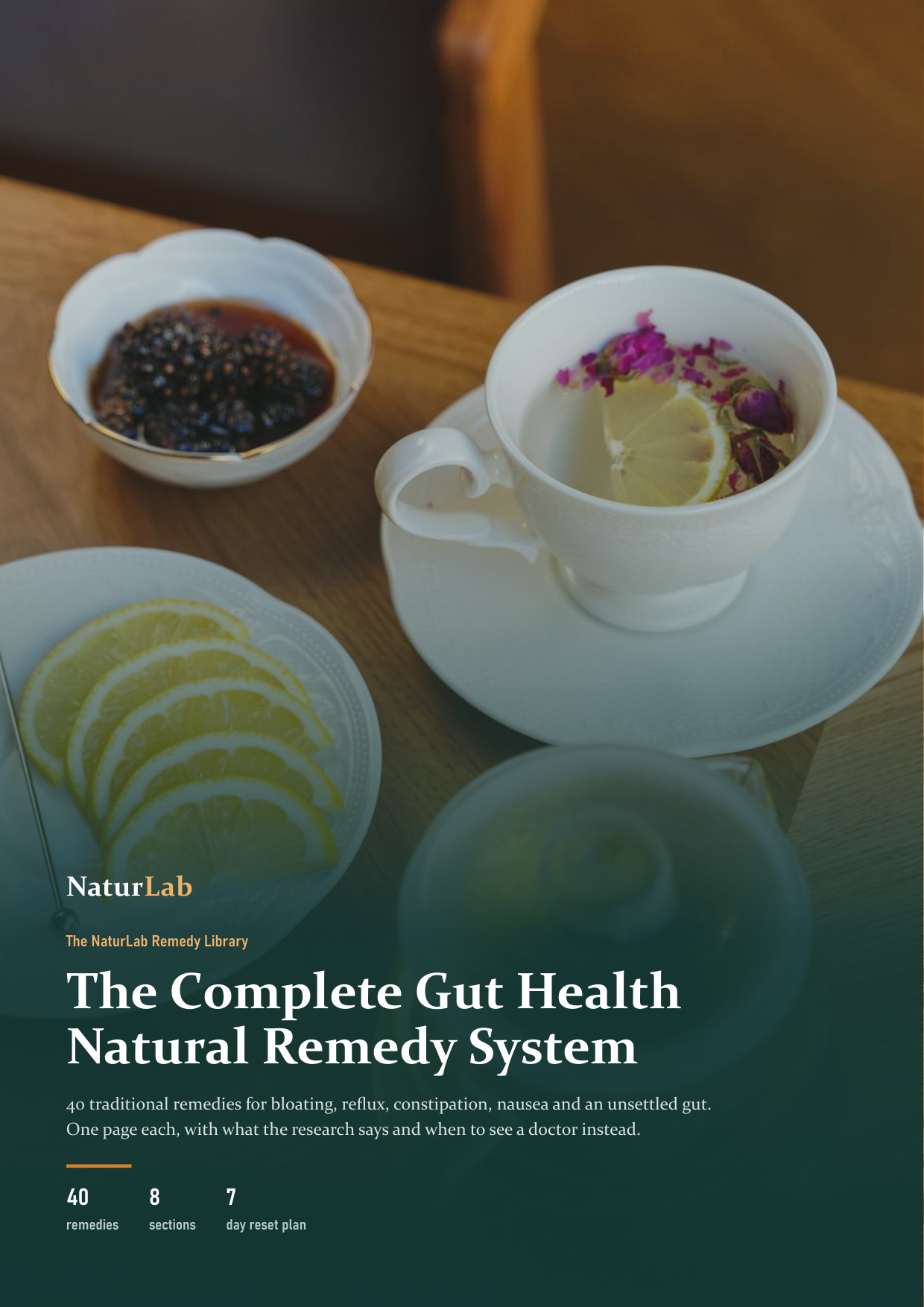
The Complete Gut Health Natural Remedy System
A complete natural remedy system for Gut Health.
$29.00$10.99

Clearer Eyes Naturally: Natural Remedies For Your Eyesight
A complete natural remedy system for Vision.
$29.00$15.97